
 LinkedIn
 WeChat

Executive summary
Trade momentum across India, Middle East, and Africa continued to build in December, supported by major infrastructure milestones, stronger customs digitization, and a rapidly expanding inland cold-chain network. Bangladesh’s landmark Laldia Container Terminal and Ghana’s major vessel call signal structural upgrades shaping future growth across South Asia and West Africa. Regulatory shifts from Saudi SABER enforcement to India’s advancing Free Trade Agreements (FTAs) are creating new opportunities for exporters navigating evolving global compliance frameworks.
Meanwhile, India’s new reefer rail services strengthen multimodal connectivity, reinforcing the region’s push toward greener, more resilient, and more integrated logistics corridors.
Ocean update
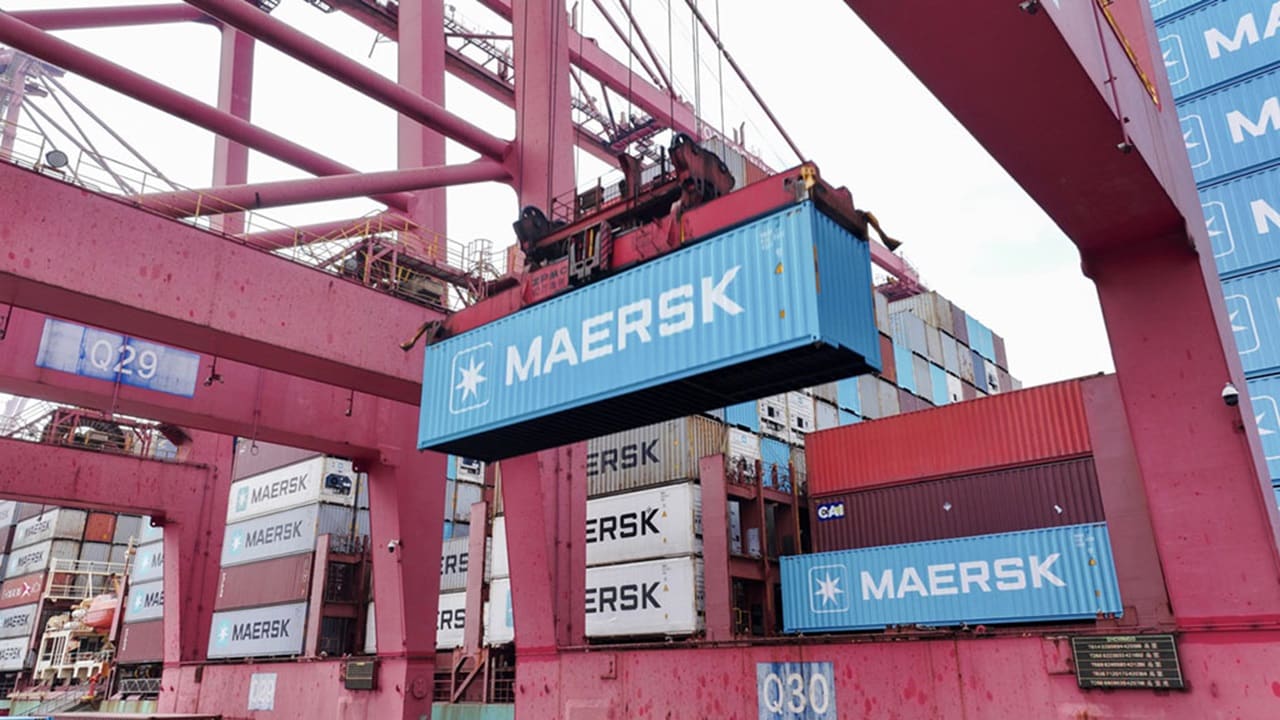
Creating Space for Growth in Bangladesh: Laldia Container Terminal Takes Shape
Bangladesh has taken a major step toward modernizing its maritime infrastructure with the landmark agreement to build the Laldia Container Terminal in Chattogram—one of the country’s largest port development initiatives to date. The project, backed by USD 550 million and delivered through a public–private partnership between Chittagong Port Authority and a consortium led by APM Terminals, will significantly expand the country’s trade competitiveness.
When complete, the terminal will add over 800,000 TEUs of annual capacity, easing long-standing congestion, reducing logistics costs, and enabling exporters, particularly in textiles, apparel, and light manufacturing to move goods with greater speed and reliability.
Sustainability is embedded into the design through electrified equipment, solar solutions, and shore-power readiness, supporting Bangladesh’s national climate commitments.
This milestone underscores the impact of government–industry collaboration, and signals Bangladesh’s ambition to scale its role in regional and global trade.
A New Milestone for Ghana and a Glimpse of West Africa’s Future
Ghana reached a historic moment last week when the Beijing Maersk—a 350-metre dual-fuel methanol vessel with a capacity of 17,480 TEUs became the largest Maersk ship ever to call at Tema Port, berthing at the joint-venture terminal operated with Meridian Port Services (MPS).
This arrival reinforces Tema’s readiness to serve mega vessels and strengthens Ghana’s role as a strategic transshipment hub for West Africa. It also advances lower-carbon logistics in the region, with the vessel’s methanol-enabled design aligning with APM Terminals’ 2040 net-zero ambition.
As Beijing Maersk departed carrying Ghana’s cocoa, it highlighted a powerful message: Trade growth and sustainability progress can move forward together.
Maersk Operations through Red Sea / Gulf of Aden
Considering the progress on the Gaza ceasefire, we are closely monitoring developments in the region. The safety of our crew, our assets, and your cargo remains our top priority. For the latest information, please refer to our dedicated Red Sea page and our latest customer advisory. We will continue to share advisories as developments occur.
Customs update
Despite ongoing geopolitical and tariff-driven volatility, IMEA trade flows remain resilient, supported by improved ocean reliability, clear regulatory direction, and sustained investment in digital customs systems across the region.
Saudi Arabia – SABER 2.0 Enforcement
Saudi Arabia has fully implemented SABER 2.0, requiring shipment certificates in advance for high-risk goods. The new blockchain-enabled verification strengthens compliance and enhances supply-chain transparency.
Impact: Stricter documentation timelines; incomplete certificates can trigger delays.
Maersk Support: Pre-clearance advisory and documentation guidance.
Accelerated Digitization Across GCC
UAE, Qatar, and Oman are rapidly deploying digital customs platforms, reinforcing their positions as global logistics hubs.
Impact: Faster, more predictable clearance for compliant shippers; delays for inaccurate documentation.
Maersk Support: Digital tools such as UNITED and Maersk Trade & Tariff Studio enable customers to prepare correct declarations and leverage new facilitations.
India – Trade Expansion and Market Access
Operationalization of the India–EFTA agreement and advanced India–EU FTA negotiations are opening new export corridors for manufacturing, automotive, FMCG, and engineering sectors. These advancements come at a crucial time as exporters navigate the effects of Carbon Border Adjustment Mechanism (CBAM), EU Deforestation Regulation (EUDR), and tariff fluctuations.
Impact: Competitive edge for exporters using preferential corridors.
Maersk Support: Trade & Customs Consulting—opportunity mapping, rules-of-origin validation, and compliance action plans.
Africa – Traceability & Sustainability Mandates

Cocoa and grape exporters in West and Southern Africa are ramping up digital certification and ESG compliance to meet evolving EU import standards.
Impact: Demand for end-to-end visibility, cold-chain reliability, and verified traceability.
Maersk Support: Integrated cold chain and visibility solutions to help exporters maintain access to premium markets.
U.S. Tariff Updates – China Tariff Reduction
Tariffs on select Chinese imports cut from 20% to 10% following Xi–Trump negotiations; reciprocal suspensions extended.
Impact: Short-term cost relief for U.S. importers; supply chains remain cautious.
Agricultural Exemptions Expanded
Over 230 HTSUS codes—beef, coffee, cocoa, tropical fruits are now exempt.
Impact: Supports food importers and reduces inflationary pressure during peak perishables seasons.
New Tariffs on Heavy Trucks & Parts
Section 232 introduces 25% tariffs on trucks, 10% on buses and parts.
Impact: Higher landed costs in automotive supply chains; sourcing diversification expected.
Global Tariff Pressure and Supply Chain Diversification
Persistent tariff-driven inflation continues to raise input costs for manufacturers worldwide. Brands across apparel, automotive, and retail have already announced price adjustments. Companies are accelerating moves to India, Southeast Asia, and Latin America to reduce tariff exposure and diversify their sourcing networks. We are supporting our customers with end-to-end sourcing transitions, customs compliance consulting, and multimarket logistics design.
Inland Update
India’s Cold Chain Network Expands with New Reefer Rail Services
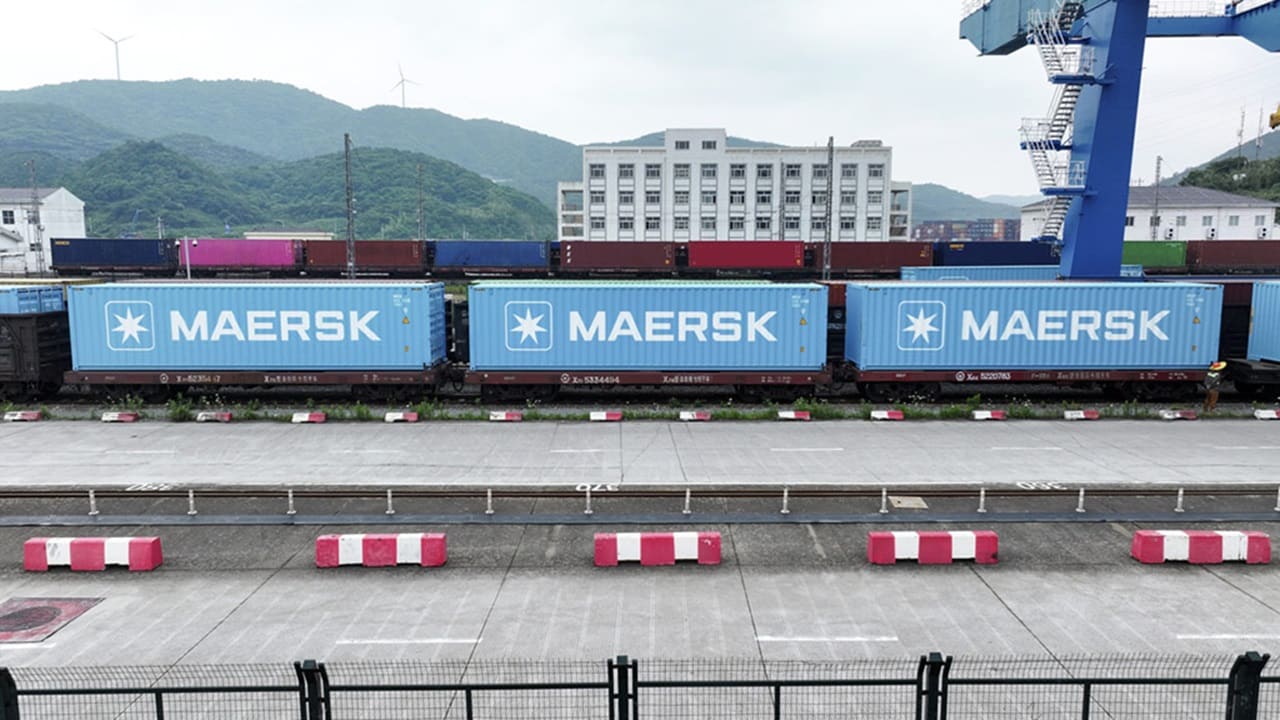
In November, Maersk launched two new reefer rail services, strengthening India’s integrated cold-chain network:
ICD Sanand to Pipavav Port
- Weekly reefer rake (scaling soon to two/week)
- Equipped with power packs, real-time monitoring, and dedicated technicians
- Moves 43 x 40’ reefers per rake
- First rake flagged off 17 November 2025
This service boosts inland connectivity for processed food clusters in North Gujarat, providing faster, greener, and more reliable access to global markets.
ICD Palwal – First Reefer Block Train
The inaugural Reefer Block Train from Palwal marks a major step forward in India’s cold-chain transformation.
Strategic Impact
- Reduces dependency on long-haul road transport
- Supports export-ready cold-chain reliability
- Expands Maersk’s inland reefer footprint across Western and Northern India
- Aligns with India’s growing demand for sustainable, multimodal EXIM solutions
With enhanced rail–sea integration and capacity expansion underway, Maersk is positioning India’s cold chain for future growth and resilience.
Useful links
More News and Insights from Maersk
- IMEA Supply Chain Digest H1 2025 - Your playbook for thriving through disruption in the Indian subcontinent, the Middle East and Africa
- Maersk appoints Thomas Theeuwes as its new Managing Director for India, Bangladesh & Sri Lanka
- Future-proofing supply chains
Visit our Insights Hub where we share the latest trends in supply chain digitization, sustainability, growth, resilience, and integrated logistics.
Useful links
Check Maersk market updates from across other regions by clicking here.


