
 LinkedIn
 WeChat
To receive the Maersk North America Market Update in your inbox, sign up for our logistics newsletter here and update your preferences when prompted via email.
We’d love to hear from you! Please share your feedback
Take 5 minutes to tell us what’s working and what could be improved in the communications you receive from us at Maersk, so we can make them even more relevant and useful for your business.
Message from Ditlev Blicher, Regional President, North America
As I jump into my new role on our North America team, I can assure you our focus remains on helping you compete and grow in an increasingly complex supply chain environment.
After a volatile 2025, our priority for 2026 is clear: enabling greater resilience and performance through reliable, integrated logistics solutions. From improving end-to-end visibility and flexibility to strengthening execution and ease of doing business, we are focused on delivering tangible value for your supply chain. To end visibility and flexibility to strengthen execution and ease of doing business, we are focused on delivering tangible value for your supply chain.
We appreciate the opportunity to support your business and look forward to continuing to drive results together in the year ahead.

Ocean Update
Structural Change to the Gemini Cooperation’s ME11 Service in the Red Sea Maersk and Hapag-Lloyd have decided to change the routing of one of their shared services under the Gemini Cooperation, transitioning it through the Red Sea and the Suez Canal. The service in scope is the ME11 service, which connects India and the Middle East with the Mediterranean. From mid-February, changes will be implemented on westbound sailings as of vessel Albert Maersk and on eastbound sailings as of vessel Astrid Maersk.
When possible, Hapag-Lloyd and Maersk will also implement changes to the AE12 and AE15 services to go through the Red Sea and the Suez Canal at a later stage. In this respect, further information to customers and other relevant stakeholders will follow in due course. No further changes to the Gemini network related to the Red Sea are foreseen at this stage.
The implementation will be carried out in a way that keeps disruption for customers to a minimum. The highest possible security precautions will be undertaken, as the safety of the crew, the vessels, and our customers’ cargo remains the highest priority of both carriers. We will continue to update our Red Sea web page as the situation evolves.
Europe to North America: Use your tender season decisions to lock in the U.S. gateways and inland rail points you need for 2026. You can route volume into Charleston, Savannah, and Norfolk and connect inland by rail to locations such as Chicago, Memphis, Nashville, Atlanta (Fairburn), and Greer through our TA2 service in the East-West (Gemini) network.
If Philadelphia supports your Northeast or Mid-Atlantic distribution plan, include it as an option on TA3 now that it is part of that rotation. Newark remains a key destination on this trade, so confirm your preferred gateway early and align your inland delivery requirements and cutoffs with your booking plan.
If you ship from origins such as Vado Ligure, Port Tangier, or Greece, review TA12 and TA10 options and match them to your destination and inland needs so you can secure space and set reliable lead times.
Indian Subcontinent, Middle East to North America:Our MECL service has changed its routing to sail via the Red Sea and the Suez Canal. This change reduces transit time by about seven days compared with the previous routing and is intended to support more consistent schedules. If you ship on the MECL, review your lead times now and place bookings early as demand adjusts to the new rotation. We will continue to update our Red Sea webpage as the situation evolves.
On TP16, you may see tighter space in early February. We expect conditions to ease as the month progresses. If you have urgent cargo that needs a near-term gate-in, plan earlier cutoffs where possible and confirm space with your Maersk representative ahead of booking. If Los Angeles works for your distribution plan, you currently have space available in LA, which can help you keep freight moving while availability normalizes on other destinations.
On TP16, expect tighter space in early February, with improving availability later in the month. If you have near-term cargo, confirm space before you deliver cargo to the terminal and consider Los Angeles if it fits your distribution plan, as space is currently available into LA.
Africa to North America: The cocoa season remains active, and U.S.-bound volumes from Ghana and Côte d’Ivoire are building. If you import cocoa into the U.S. East Coast, align your planned shipment weeks and destination ports early to secure space and set realistic delivery dates, and discuss TA service options that match your inland plan.
Apparel and textiles volumes from East Africa picked up after the New Year and are tracking strongly for Q1. If you ship these commodities, share your origin points, expected weekly volumes, and required arrival windows so our East Africa team can confirm routings and cutoffs before you commit to production and delivery schedules.
From South Africa, import volumes of vehicles, textiles, and foodstuffs into the U.S. are increasing. You currently have space available on SAECS into the U.S. East Coast and U.S. Gulf, so confirm your destination gateway and inland delivery requirements early to keep your plan on track.
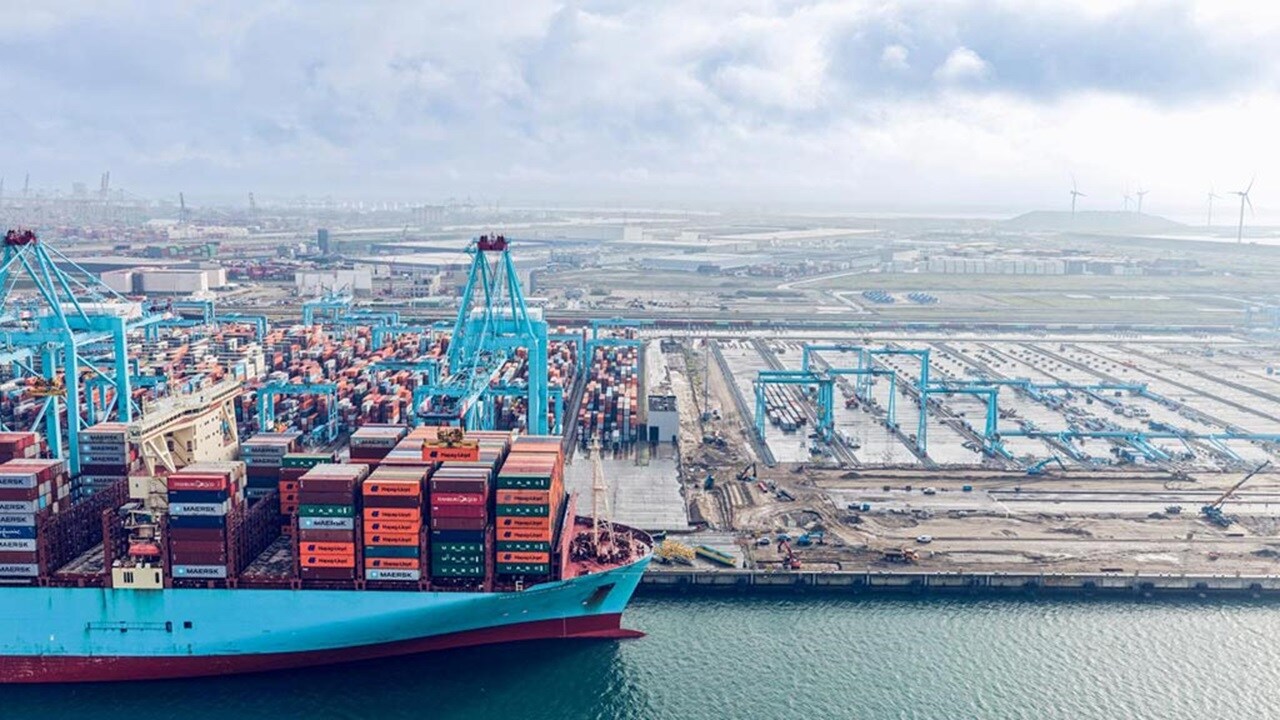
Asia-Pacific to North America: We are in the pre–Chinese New Year (CNY) volume rush, which began early this year as some businesses began frontloading cargo in December. During the CNY holiday period, we have announced temporary blank sailings to match capacity to expected factory and customs closures. In total, we have seven blank sailings in our Transpacific network, four into the U.S. West Coast and three into the U.S. East Coast, so you should plan for fewer sailings and tighter space through the holiday window and confirm cutoffs earlier where possible. You can find full details in our Customer Advisory.
If you are increasing sourcing outside Southeast Asia, please note the planned TP6 rotation change effective March 1, 2026. TP6 will add a direct call at Laem Chabang and remove Nansha from the rotation. The updated rotation will include Laem Chabang, Vung Tau, and Yantian, with Los Angeles on the North America end, and the first Laem Chabang call is scheduled with Maersk Alfirk 610E. Find more details on the updated TP6 rotation in our Customer Advisory.
Across our East–West Gemini network, our Transpacific eastbound services continue to show strong reliability. In the latest Sea Intelligence report covering arrivals in November and December, Maersk recorded 95.6% reliability into the North America West Coast and 89.9% into the North America East Coast, compared with industry averages of 67.3% and 59.6% respectively. Use these windows to firm up your February and March shipping plans and align booking timing around the published blank sailings and the TP6 rotation change. (Released in January 2025).
Intra-Americas: Across the Intra Americas network, you will notice several schedule design adjustments in East Coast South America, the Caribbean, and the West Coast of Central and South America as we continue prioritizing service reliability and competitive transit times. If you ship in these corridors, please verify whether your standard port pairs remain in rotation and update your routing guides and delivery plans for any ports temporarily omitted or served via alternative connections.
On East Coast South America, the UCLA service will continue to omit Mobile, Salvador, and Navegantes, so customers utilizing these calls should adjust their planning accordingly. The Tango service will maintain its Norfolk omission through Q1 2026; however, Norfolk remains fully accessible via the TP12 with transshipment in Cartagena, and Rio de Janeiro has now transitioned to a weekly call. On the Gulfex service, operated by Hapag-Lloyd and partners, Rio de Janeiro has been removed, Navegantes has been replaced by Itajaí, and a blank sailing will occur every ninth vessel. Please confirm your expected frequency and note the updated discharge options if you previously relied on these ports.
In the Caribbean and Central America East Coast trades, most services in this region continue to operate steadily. The NAE and SAE remain reliable, while GOEX is performing well with some tightening expected on northbound capacity. The AGAS has experienced weather related disruption tied to U.S. Northeast conditions, with stabilization anticipated in the coming weeks. Additionally, our East West (Gemini) network now includes two Cartagena shuttle enhancements: AM1, connecting Miami/Jacksonville to Cartagena, and AM2, connecting Cartagena with Tampa, New Orleans, and Progreso, offering expanded routing flexibility for cargo moving via Cartagena.
For the West Coast Central America & South America, on the Pacific side, the WCCA2 continues operating on schedule with Manzanillo, Mexico removed from the rotation. The WCCA1 is expected to maintain weekly frequency on its Balboa–Central America loop with fixed berth windows in Corinto and Acajutla. Our feeder services, including Atacama, Peru Feeder, and Guayaquil Feeder are performing on time.
To receive the latest updates on your cargo, sign up for ETA notifications or check schedules on Maersk.com. For weekly operational updates in our “Weekly Reader,” subscribe to our advisories at Maersk.com/newsletter.
Less than Container Load (LCL) Update
Pre Lunar New Year demand is tightening LCL space as carriers manage capacity with blank sailings and longer routings. Expect tighter space and more rate movement on Asia–North America lanes through early February, and place bookings earlier than usual, ideally two weeks in advance, so you can secure space and meet cutoffs. If you can diversify sourcing beyond China for some SKUs, you may see more stable sailing options and fewer delays.
In the U.S., trucking and intermodal capacity are tightening, and recent winter storms in the Midwest and Northeast can add 24–48+ hour delays across trucking, rail, and air networks in affected regions. Build buffer into delivery commitments where you can, especially for final-mile timing after port or ramp arrival. If you cannot add time, inquire about expedited options, such as moving your LCL shipment to a domestic air solution, to protect delivery dates.
Customs Update
Tariffs and enforcement remain the two biggest variables in your landed cost and clearance timing. Section 301 duties continue to affect many product lines, and CBP is seeking stronger support for admissibility and trade compliance, including UFLPA-related documentation, country-of-origin determinations, valuation, classification, and certain regulated commodities such as organic goods
To keep cargo moving, build customs readiness into your upstream planning. Recheck HTS classification and duty exposure regularly and keep a clear audit trail. Prepare admissibility documentation before sailing, including origin tracing and forced-labor supply chain mapping, and confirm any required organic certifications under the USDA Strengthening Organic Enforcement (SOE) rule. Make sure your invoice, packing list, product description, and origin data match across supplier and filing systems, because data mismatches drive many avoidable holds and entry corrections.
Our Trade & Tariff Studio gives you SKU-level visibility into duty exposure and regulatory requirements, runs what if scenarios across suppliers and origins, and flags risks early. For support or access to Trade & Tariff Studio, contact compliance.mcsi.nam@maersk.com in the US and compliance.ca.mcsi.nam@maersk.com in Canada.
In Mexico, a decree published January 20, 2026 approved the UK’s accession to the CPTPP. If you trade between Mexico and the UK, begin preparations now so you can apply the correct treatment when it becomes available: identify impacted SKUs, confirm CPTPP rules-of-origin eligibility, and align certificates and broker instructions ahead of April 2026. Do this SKU by SKU, because outcomes depend on the specific product and origin rules.
We are strengthening our customs support by adopting more consistent arrival patterns to enable pre arrival filing and by refining processes to resolve holds more quickly. We will continue to share neutral updates on tariff and regulatory developments and connect you with customs specialists when you need scenario planning or clearance readiness support.
Inland Update
Drayage: Winter weather will slow drayage and inland trucking in parts of the U.S. and create pockets of tighter capacity, especially where storms disrupt terminal operations and truck turn times. Capacity is not collapsing, but you should plan for regional variability, and you may see extra disruption where CDL-related regulatory shifts reduce driver availability or change routing patterns. In New Jersey, proposed independent contractor rule changes could limit owner-operator availability on the East Coast.
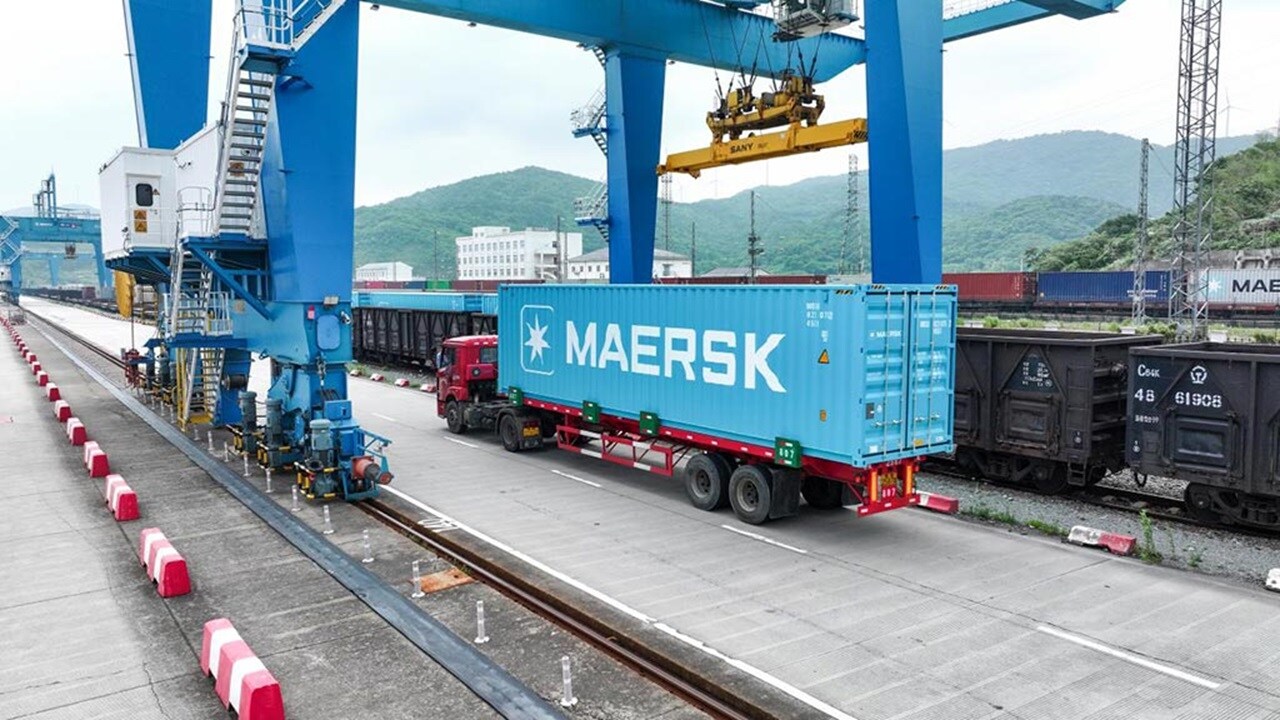
Rail conditions can amplify those drayage impacts. Equipment shortages and winter operating restrictions can reduce rail velocity, and that tends to increase container dwell and push out truck appointments at ports and inland ramps. North American rail entered 2026 on firmer footing with U.S. volumes up year over year in January, but the late-January storm disrupted interior flows and will keep velocity under pressure into early February. Los Angeles/Long Beach congestion has started to ease and import dwell is improving from Q4 peaks, but you should still plan for slower transit times and less predictable ETAs through at least the first half of February. In Canada, winter protocols reduce train lengths and speeds during extreme cold, so expect elevated dwell times across the Canadian network through Q1.
To protect your delivery commitments, build a buffer into dray appointments where you can, confirm last-free-day and appointment timing earlier, and share near-term forecasts so equipment and drivers can be positioned ahead of tight windows. If you use Carrier Haulage, align your ocean B/L and inland plan early to ensure dray execution and visibility remain connected. We can support Maersk Ocean B/Ls and non-Maersk cargo through our multicarrier capability.
Warehousing Update
Warehouse decisions will get harder in 2026 as a large wave of leases signed during the 2021 import surge comes up for renewal. You will likely face a three-way choice, renew, bring operations in-house, or move to a third party, while capacity remains uneven across the network. Inland markets often have more available space, while port-adjacent sites remain tighter, so you may need more flexibility in where you store and fulfill to balance cost and service. Tariff uncertainty also continues to influence where you hold inventory and how you source, placing greater emphasis on location trade-offs across drayage costs, real estate economics, labor availability, and service levels.
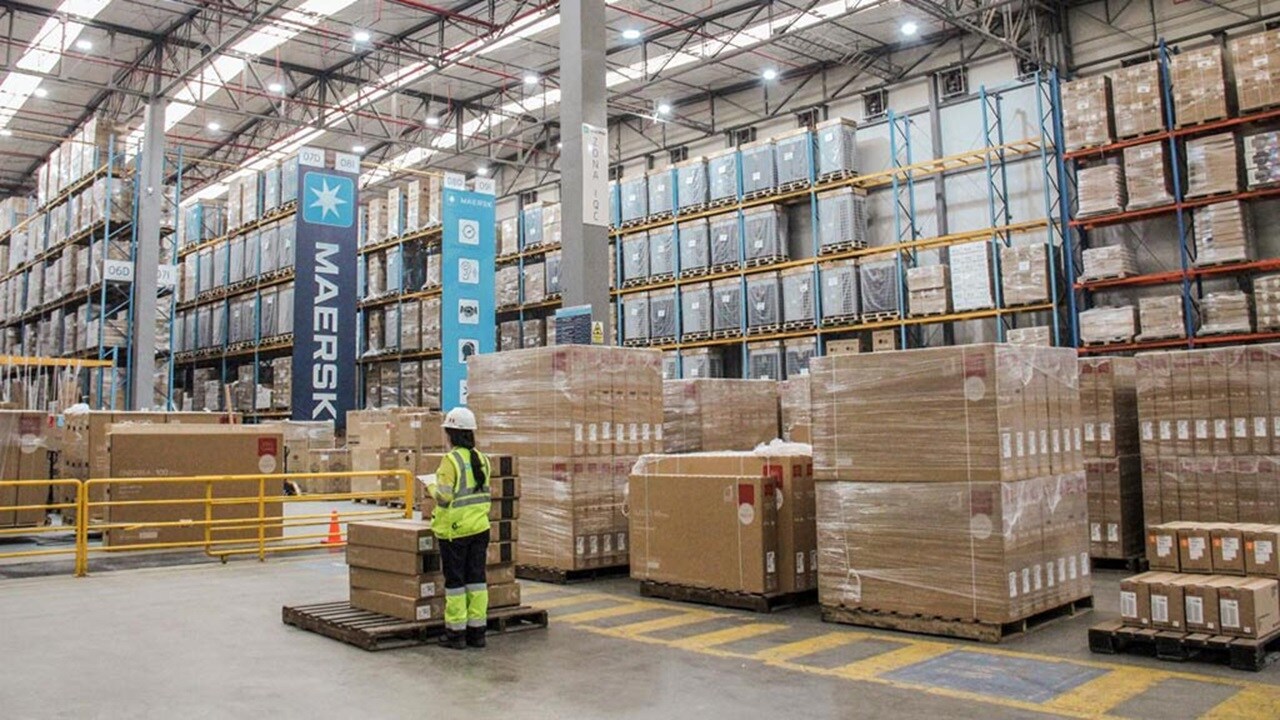
If you have leases expiring or you are exiting a facility, start planning the transition earlier than you have in the past. Build a plan that protects continuity first, then cost. Use an operations-in-place transfer approach where it fits, so you can keep processes and service levels stable while you change the facility, operator, or both. If you need time to make a longer-term decision, use short-term bridge capacity, such as pop-up distribution or shared-user space, to avoid locking into fixed costs while you reset your network.
To make the best decision on the right warehousing solutions for your needs, compare manual, semi-automated, and automated options based on your volume profile, labor availability, and required lead times, and pressure-test the ROI against the flexibility you need if demand shifts. As you make these choices, keep your warehouse footprint linked to your transportation plan so you do not solve rent at the expense of drayage and delivery performance. Our warehousing experts can help guide you in balancing these options and finding the right solution for your supply chain.
Ground Freight Update
U.S. ground freight demand remains steady in 2026, and LTL continues to sit in the “in-between” lane for many shippers who need more flexibility than full truckload but more care and coordination than parcel can provide. Mordor Intelligence estimates the U.S. LTL market at about $118.68B in 2026 (up from $114.03B in 2025), with growth tied to e commerce fulfillment and omnichannel distribution patterns. For your planning, this reinforces the value of setting clear service requirements by lane, standard LTL versus time-definite, heavy/bulky handling, store delivery, or appointment-driven delivery, so you can choose the right service level without paying for coverage you don’t need.
Premium “white glove” delivery is also expanding as more brands compete on delivery experience for bulky, fragile, or high value items. Global Growth Insights projects the global white glove services segment at $34.26B in 2026. If you ship furniture, appliances, healthcare equipment, or technology products, treat the last mile as a service design decision: confirm whether you need placement, assembly, installation, or debris removal, and build that into your customer promise and inventory positioning.
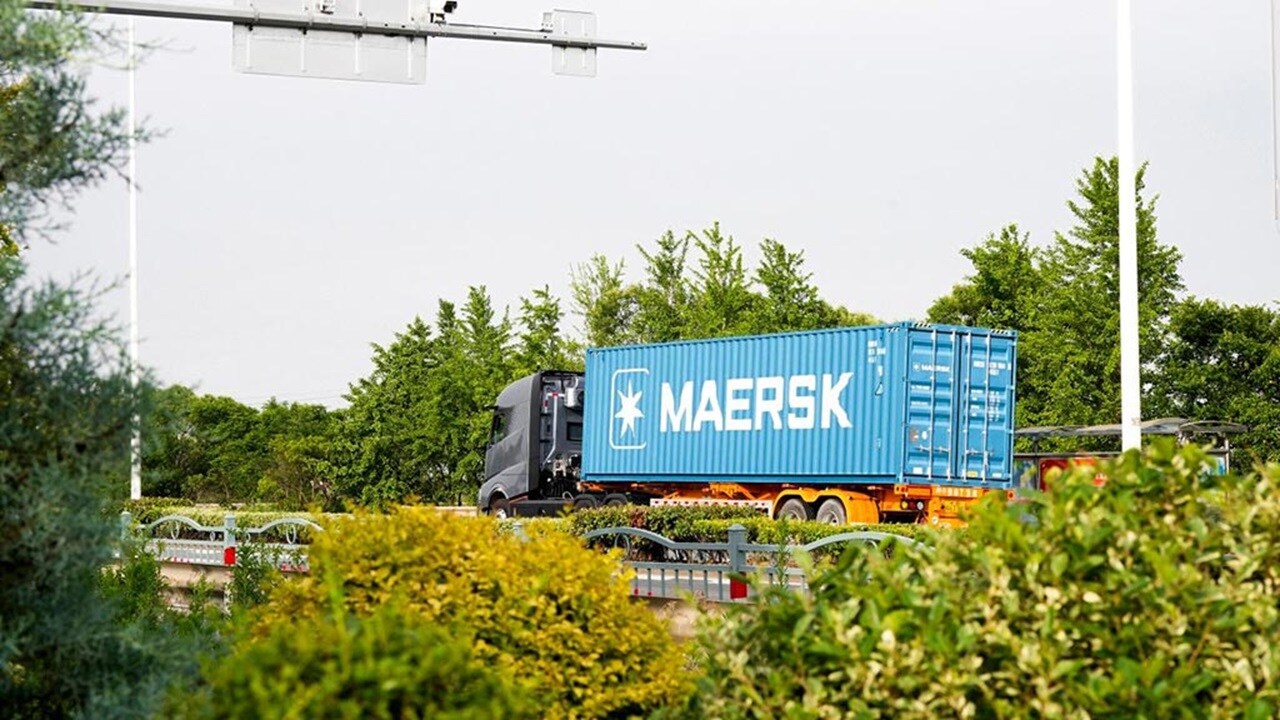
To support these shipment profiles, Maersk Ground Freight continues to expand its U.S. footprint. Recent openings include a 100,000 sq. ft. integrated station and linehaul hub in Coppell, TX, a 20,000 sq. ft. pickup and delivery station in Savannah, GA, and a 165,000 sq. ft. ground freight hub in Fontana, CA. If you want a single view across standard LTL and specialized services such as heavy/bulky or white glove moves, align your origin/destination pairs and delivery requirements early so you can match the right service to the right customer promise.
E-Commerce Logistics Update
U.S. e-commerce purchasing continues to grow, but you should plan for a steadier pace than the pandemic years. McKinsey estimates U.S. e-commerce growth could normalize at around 6% per year, closer to pre-pandemic levels. That shift puts more pressure on how you balance delivery speed, cost, and reliability. McKinsey’s consumer survey also points to a clear message for your delivery promise: 90% of consumers will wait two to three days for delivery; 90% are likely to abandon carts when shipping costs are high; and many value on-time delivery and flexible options more than the fastest possible speed.
Parcel volumes remain strong, but the mix of who delivers them is changing. ShipMatrix data shows U.S. parcel volumes reached 23.8B in 2024 and forecasts about 4% annual growth through 2027 to 26.8B, with much of that growth moving through retailer-owned networks and regional carriers. For your planning, this means you should keep a close eye on carrier rule changes, especially how carriers measure package dimensions and apply surcharges, and avoid single points of failure in your carrier portfolio so disruptions do not strand customer orders.
If you want more control in this environment, use a single operating plan across your carriers: standardize how you pack and label, align service levels with your margin by product, and set clear exception-handling policies to protect the customer experience without paying for speed you do not need. Maersk ECommerce Logistics can support you with multicarrier parcel routing and a single view across shipment management, tracking, and reporting when you want to run that playbook at scale.
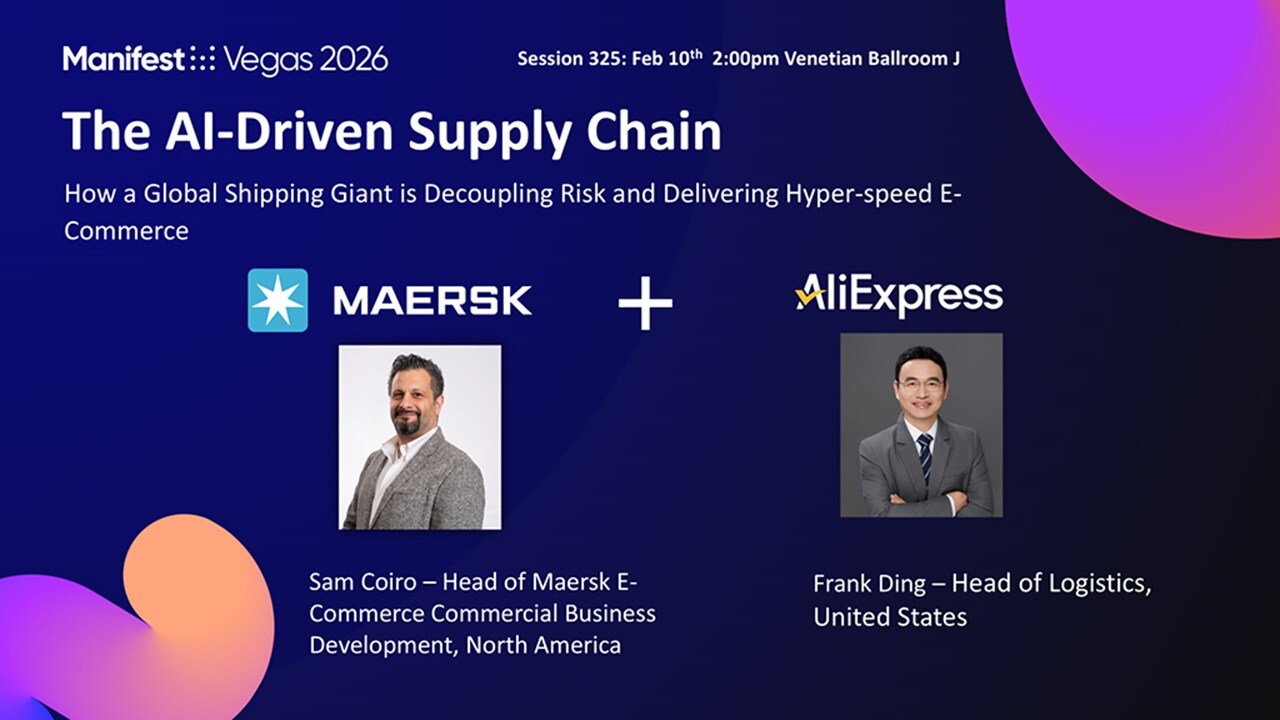
Maersk is a key sponsor at Manifest 2026 in Las Vegas next week, and we’d love to see you at our fireside chat with AliExpress. Join this 30-minute breakout session on February 10th at 2 PM in Room 4 to hear practical perspectives on strengthening North American e-commerce supply chains, including how to apply AI to reduce supply chain errors, use data-driven network optimization for carrier and inventory decisions, and leverage nearshoring and Foreign Trade Zones to mitigate disruption. Speakers include Sam Coiro, Maersk's Head of E-Commerce and Frank Ding, US Logistics Country Manager from AliExpress.
Lead Logistics
Cost pressure and demand swings keep pushing cost optimization to the top of the logistics agenda. If you expanded suppliers, routes, and service providers over the last few years to reduce risk, reassess whether that approach still improves total landed cost or whether it now adds complexity that increases administrative effort, reduces visibility, and slows decisions.
Many shippers are responding by simplifying how they manage logistics while keeping flexibility in how freight moves. You can reduce fragmentation by centralizing planning, data, KPIs, and exception handling across modes and regions, while still maintaining appropriate sourcing options at the execution level. This helps you identify and address cost drivers that sit outside base rates, such as avoidable rework, missed handoffs, inconsistent processes, and accessorial charges.
This matters in North America, where domestic networks and cross-border flows across the U.S., Canada, and Mexico make end-to-end execution and consistent measurement critical. If you want practical steps you can take now, focus on reducing provider and system sprawl where it adds no value, standardizing performance metrics across partners, and assigning clear ownership for end-to-end coordination so issues resolve faster, and decisions rely on the same data.
Maersk’s Lead Logistics Provider and Managed by Maersk offerings can support this approach by providing integrated logistics management alongside transportation services, with a focus on coordination, visibility, and performance management. To evaluate fit, start with a defined scope and measure outcomes such as total cost, service consistency, and the time your teams spend managing exceptions.
More News & Insights from Maersk from around the world
- Maersk expands ground freight network with Fontana, CA facility
- Explore Maersk E-Commerce at Manifest 2026
- One Year of the East West Network and the Gemini Cooperation
Visit our Insights Hub where we share the latest trends in supply chain digitization, sustainability, growth, resilience, and integrated logistics.
Useful links
To sign up for the Maersk North America Market Update newsletter, click here and update your preferences when prompted via email.
Check Maersk market updates from across other regions by clicking here.


