 LinkedIn
 WeChat
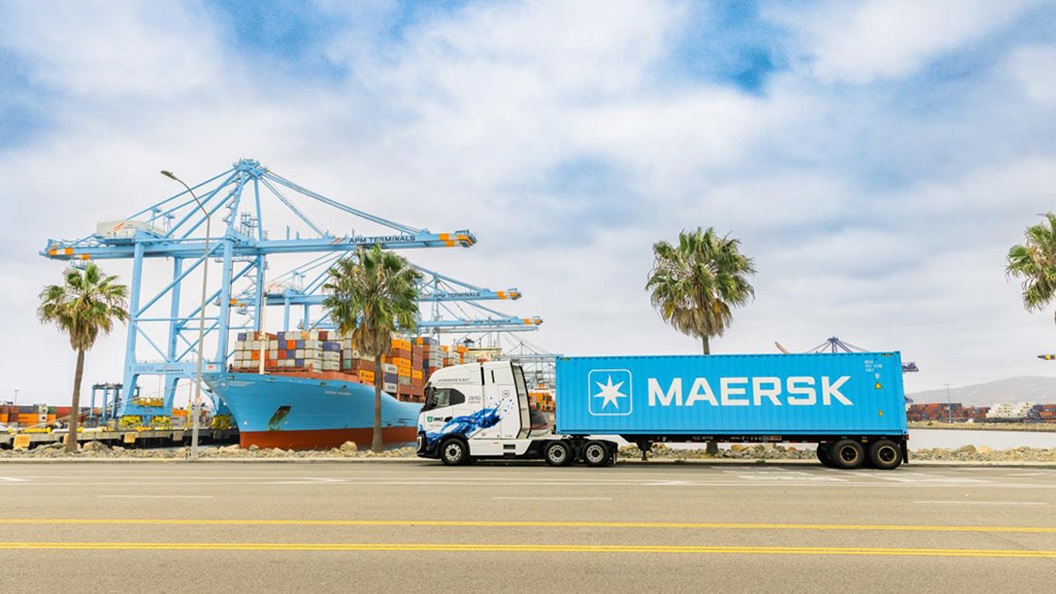
To receive the Maersk North America Market Update in your inbox, sign up for our logistics newsletter here.
The Situation
North American supply chains are entering mid-2026 with overall fluidity, but also with sharper pressure across specific ocean, gateway, and inland corridors.
- Early, compressed peak season: June import volumes are forecast to hit 2.25 million TEUs, a 14.3% increase year-over-year. This surge represents an early peak season likely driven by retailers frontloading merchandise to protect fall inventory against potential tariff changes, fuel volatility, and peak season surcharges. This shift likely also reflects uncertainty ahead of the upcoming expiration of Section 122 tariffs on July 24, 2026.
- Geopolitical ripple effects: Recent U.S.–Iran diplomatic developments, including a preliminary Memorandum of Understanding and a 60-day negotiations window, have temporarily eased tensions. The ceasefire may create transit opportunities, but it does not yet provide full maritime certainty. The safety of our seafarers, vessels, and cargo remains Maersk’s highest priority. While two Maersk vessels have transited the Strait of Hormuz recently, any decision to transit will continue to be based on continuous risk assessments, close monitoring of the security situation, and available guidance from relevant authorities and partners. For the latest information, please monitor our Stay Ahead information hub.
- Macro environment and consumer pressure: Driven largely by energy price volatility, U.S. headline inflation was reported at 4.2% in May, higher energy prices and some broader pass-through into consumer goods. This baseline has led to softer consumer confidence. While domestic demand for goods continues to expand, it is doing so at a more measured pace than last year, reinforcing a more cautious, value-driven retail environment.
For customers in North America, these developments matter because energy costs continue to influence transportation expenses, inflation, and broader demand conditions.
Ocean & Gateway Update
The ocean market is experiencing selective capacity compression across key trade lanes, with early peak season frontloading impacting global asset availability.
- Transpacific update: Demand remains elevated as customers frontload seasonal inventory and respond to tariff and fuel-related uncertainty, pushing Transpacific spot rates to their highest level this year. Space is tight across Asia–North America services. Shippers are advised to plan bookings early, review routing options, and remain flexible on gateway choices where possible.
Maersk has introduced seasonal Transpacific capacity through the TPX service to support peak-season demand. The service is expected to operate through the end of September, subject to demand. Customers moving cargo from relevant origins should review available routing options with their Maersk representative.
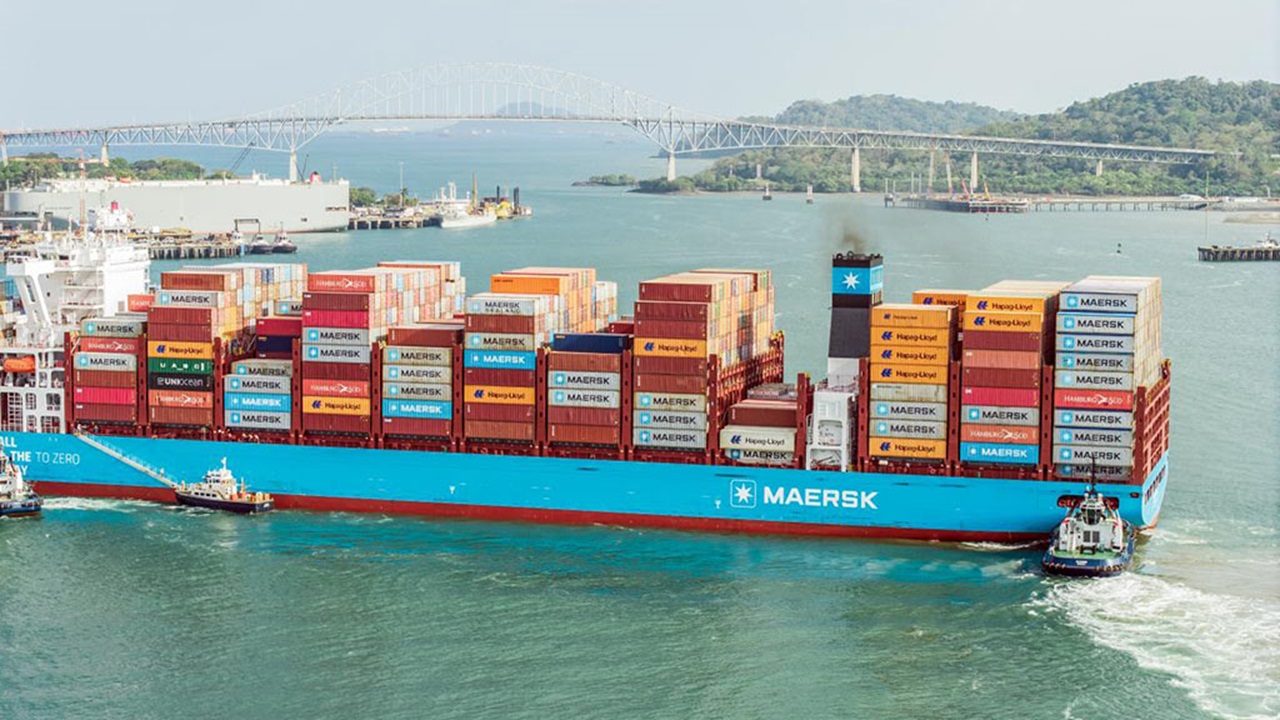
- Transatlantic update: North Europe exports into the U.S. have experienced high demand in Q2, with tighter capacity in select trades. For Canadian trade flows, North Europe-to-Canada capacity remains stable and available, providing an alternative for customers with flexible inland routing needs via Saint John. As we enter the summer months in Europe, we expect the normal summer slack season to start. We encourage customers to book early and plan accordingly as we introduce schedule adjustments to our network for this season.
- India, Middle East, and Africa (IMEA): Peak-season volumes are creating capacity constraints across IMEA imports, with strong demand expected into July. Customers should book early and evaluate landbridge solutions with Maersk where direct ocean options in the Persian Gulf area are constrained. West Africa foodstuff and cut flower flows remain consistent, while East Africa apparel and textile flows are strong into both U.S. East Coast (USEC) and U.S. West Coast (USWC). The South Africa citrus season is driving strong reefer volumes into the U.S. and Canada. Space remains limited, making early booking crucial.
- Intra-Americas: As citrus season begins across West Coast South America, Maersk is strengthening network coverage in Chile and Peru to support exporters with faster and more reliable access to the U.S. market. Improvements in our weekly container services (Tango and UCLA) are also supporting stronger regional flows.
Maersk’s Gemini network continues to show improved schedule reliability across several major east-west corridors. Schedule reliability has improved notably across Asia–North Europe, Asia–Mediterranean, Asia–U.S. West Coast, and Asia–U.S. East Coast trades, with several services maintaining strong performance levels.
Please note: In response to sustained space constraints across Transpacific corridors, Maersk has implemented a Peak Season Surcharge (PSS). Shippers are strongly encouraged to review the official customer advisory here.
Less-than-Container Load (LCL) Update
Less-than-container load (LCL) demand is being shaped by customers’ need for reliability, speed, and end-to-end control during a more volatile early peak season. With vessel capacity tightening and spot rates climbing across major gateways, some customers are using LCL to keep critical inventory moving instead of waiting to consolidate full-container loads or exposing urgent shipments to avoidable delays. We advise using LCL selectively for priority cargo, inventory gaps, seasonal replenishment, and diversified sourcing flows to ensure predictable freight movement.
Air Freight Update
Air freight demand in North America remains supported by high-value and time-sensitive cargo, including AI-related equipment and technology infrastructure. While capacity has recovered from earlier disruption, market rate levels remain elevated compared with last year. Some shippers are evaluating Sea-Air conversions to mitigate extended ocean transit times, contributing to intermittent capacity constraints at major transshipment hubs like Dubai and Singapore. Customers are advised to use air freight deliberately with clear prioritization of critical cargo, stronger forecasting windows, and alternative routing plans for shipments where speed, security, or launch timing is non-negotiable.
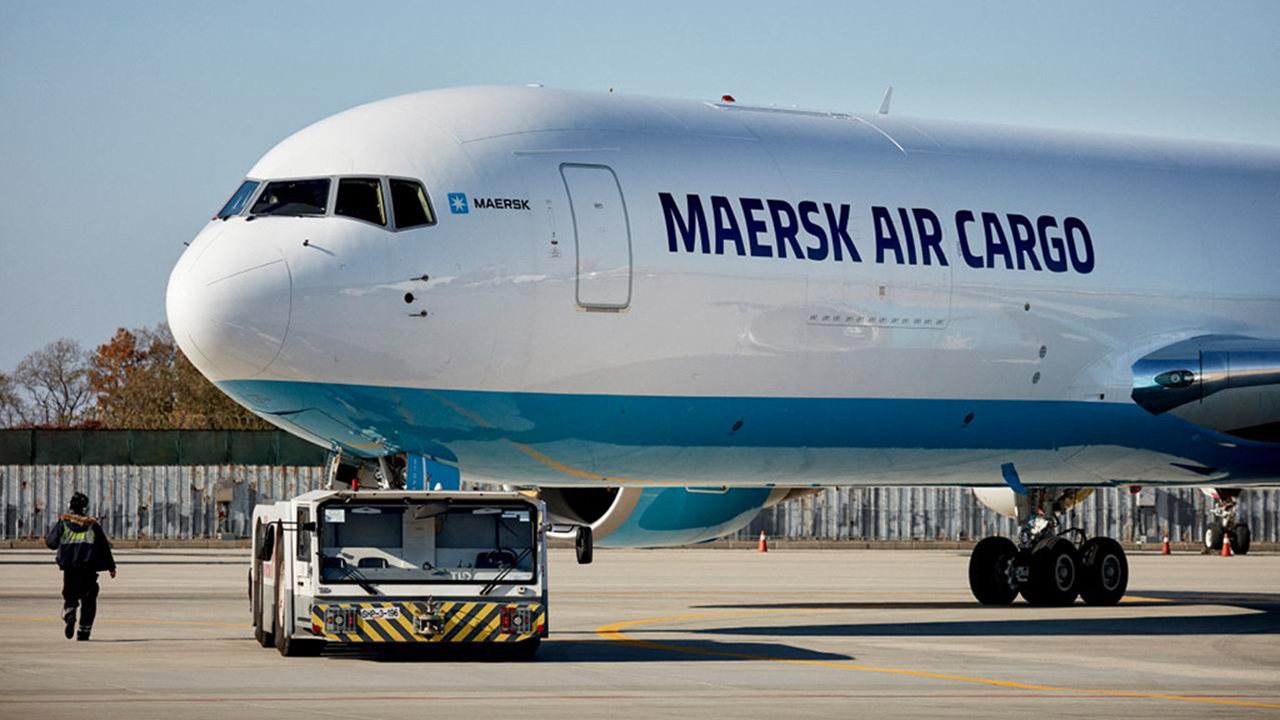
Landside Update (Inland, Depot, Warehouse, Ground Freight)
Shifting ocean demand patterns, compressed discharge windows, and uneven cargo flow are creating more variability after cargo reaches the port. Consequently, landside execution has become an increasingly important differentiator for North American supply chains.e
Inland Update (First Mile and Rail)
Inland networks have evolved from simple operational infrastructure into primary competitive differentiators for supply chain health. As detailed in our recent featured strategic analysis, Why inland freight networks are the new battleground for supply chain resilience, the post-port landscape requires deep cross-modal orchestration to isolate freight from unexpected macro friction and localized surges.
Drayage conditions are shifting from relatively available to more constrained as peak-season pressure builds directly into Q3. Shippers should expect greater volatility in appointment availability, rail coordination, container flow, and accessorial exposure. Capacity constraints, driver availability, and ongoing fuel volatility mean managing total landed cost, including accessorial costs such as detention, storage, and chassis splits, will be crucial to protecting margins.
Depot Update
Depot capacity is serving as an important buffer for customers managing inbound volume surges, warehouse constraints, or port disruptions. Staging cargo at secure inland depot locations provides a reliable alternative to improve flow control, reduce exposure to avoidable costs, and create more flexibility during compressed arrival windows. To maximize this flexibility, Maersk’s regional depot infrastructure operates as a fully carrier-agnostic network, allowing shippers to consolidate their multi-carrier portfolio into a single, unified landside staging footprint.
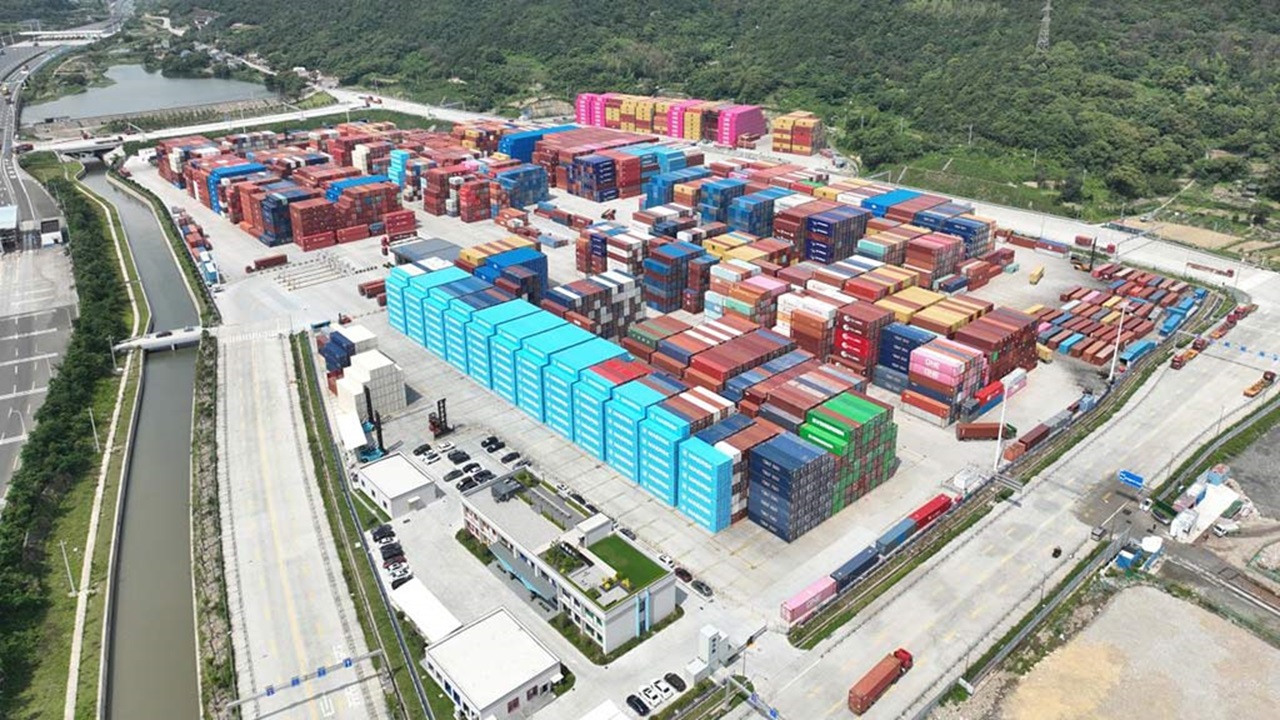
Warehousing Update
North American warehousing and distribution environments are stabilizing, but demand remains uneven - driving a shift towards more disciplined, data-led planning. Shippers are becoming more selective, with a focus on flexibility, cost control, and resilience. They face an environment where Q3 supply chain positioning decisions will define Q4 peak performance across cost, service, and capacity.
Consequently, the priorities are shifting from broad capacity expansion towards precision in execution, targeted automation tied to clear ROI, and proactive optimization between dedicated white space and 3PL services for greater agility. Shippers are advised to reassess network design using data-driven network modeling, SKU-level inventory discipline, and leverage scenario-based planning instead of relying on single demand forecasts.
Ground Freight
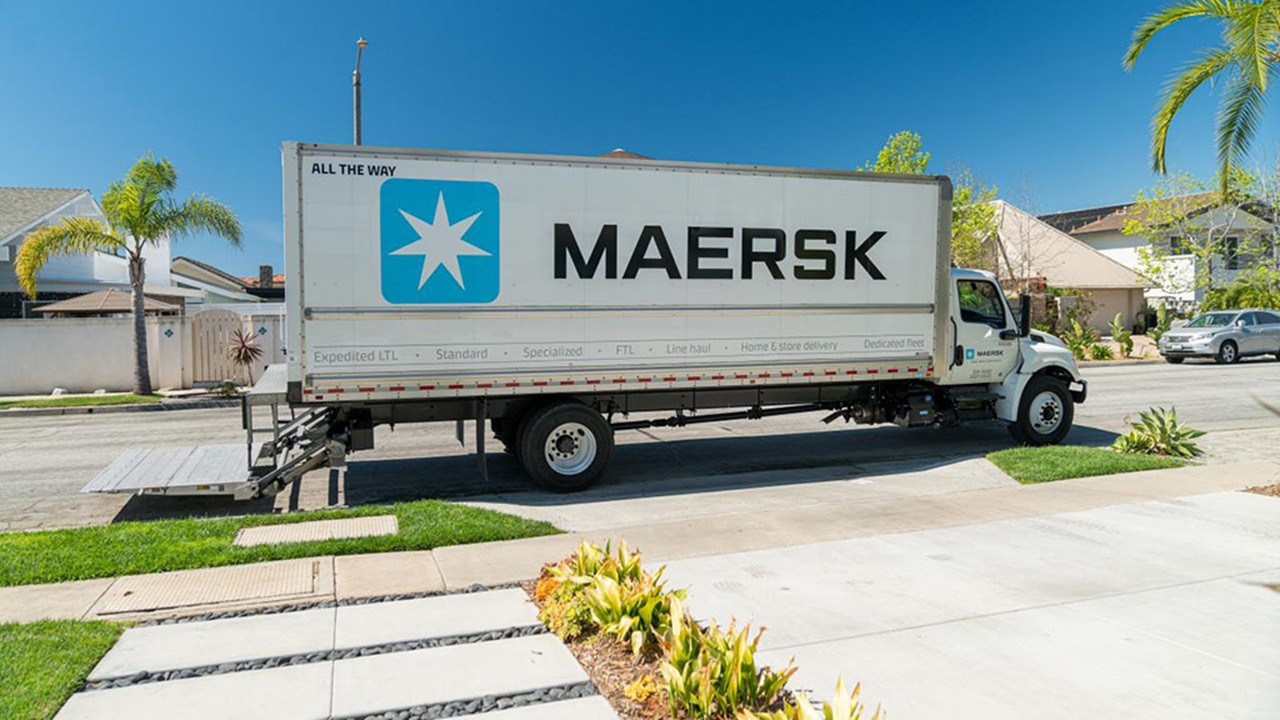
Capacity across full truckload and less-than-truckload (LTL) remains relatively soft, though early signs of rebalancing are emerging. Spot market rates continue to experience volatility, while contract rates are demonstrating early signs of stabilization.
- Service levels across the board have improved meaningfully, delivering more consistent transit times and less frequent network disruptions than in recent cycles. This improvement can be attributed to technology-driven advancements in routing, planning, and execution that are raising the operational reliability floor across the industry.
- However, shippers must note that the U.S. trucking market is entering a structurally tighter, multi-year inflationary cycle where capacity is shrinking faster than demand and regulatory pressures are intensifying. Shippers should prepare for these market dynamics, while actively monitoring localized disruptions, including seasonal weather events and labor constraints.
In a market defined by change, Maersk’s integrated logistics capabilities are helping customers navigate landside complexity with greater resilience and control. By combining specialized ground freight expertise with end-to-end supply chain solutions, advanced digital tools, and robust cross-border capabilities, we are enabling more efficient, flexible, and sustainable transportation operations. Reach out to your Maersk representative to explore how to best support your transportation needs.
Customs and Compliance Update
Customs enforcement remains central to U.S. trade policy, with recent administrative updates introducing heightened scrutiny and administrative changes for North American supply chains. To stay informed on shifting regulatory frameworks, shippers can monitor the latest updates on global adjustments via Maersk's dedicated U.S. Tariff Changes Information Hub.
- Stricter mandates for Importer of Record (IOR): Recent customs enforcement direction focuses on rigorous compliance mechanisms, more transparency, and greater scrutiny of Importer of Record (IOR) requirements. This includes bond adequacy, tangible U.S. assets, ownership disclosures, anticipated import volumes, and other data required by U.S. Customs and Border Protection (CBP).
- Duty refund tracking: CAPE duty refund processing is continuing, while further legal challenges remain around Section 122 tariffs and IEEPA refunds for liquidated entries. Shippers are advised to move customs compliance upstream—validate origin data earlier, monitor eligibility for refunds, review IOR structures, and prepare documentation before cargo is already in motion.
The best way to prepare is through a structured compliance readiness approach. Maersk’s Trade & Customs Consulting team can support you with compliance readiness assessments, importer structure reviews, identification of data and documentation gaps, and broader trade compliance advisory support. For tailored guidance, please contact your Maersk Trade & Customs Consulting representative or fill out the Contact Us form on our website to reach us.
Logistics Ecosystem Update (E-Commerce, Cold Chain, Lead Logistics)
Modern supply chains are becoming more complex to manage through traditional, rigid operational silos—increasing the need for better visibility, flexibility, coordination, and digital decision-making.
E-Commerce Logistics Update
E-commerce parcel networks are moving away from fixed, single-carrier models toward more flexible, multi-carrier networks built to absorb global transit shocks. For retailers preparing for seasonal surges, the operational priority has evolved beyond speed to include predictability, network resilience, exception visibility, and the dynamic ability to shift volume when conditions change.
- Fulfillment network resilience: Traditional models that rely on a single, massive fulfillment hub expose supply chains to severe regional capacity bottlenecks when volumes spike. Shippers are increasingly utilizing data-driven modeling to forward-position inventory across a flexible network of multi-node warehousing spaces, shortening decision paths and keeping product closer to the end consumer.
- Diversifying the last mile logistics: Relying on fixed, single-source transportation providers creates immediate exposure to rising carrier constraints. To maintain delivery consistency, brands are actively shifting toward a diversified, multi-carrier infrastructure across both parcel fulfillment networks and the final last mile, allowing them to shift volumes when local conditions change.
- Designing for reverse logistics: Driven by structurally high return rates across North American e-commerce, reverse logistics has officially transitioned from a transactional cost discussion to a core network design decision. Proactively designing automated return flows into the operational model accelerates inventory reallocation and protects vital working capital.
Read the full analysis from our Head of E-Commerce Logistics (North America), Prashant Shah, on how strategic network design is shaping supply chain performance: When the network becomes the strategy.

Lead Logistics Update
The market is shifting from fragmented logistics execution to orchestrated, digital supply chain control. A recent Maersk survey of North American supply chain executives found that nearly 70% of respondents prioritize end-to-end supply chain visibility as the top area where they want a lead logistics provider’s AI and automation efforts focused. However, only 5% of companies consider their own internal logistics AI readiness to be “advanced”. As a result, shippers are increasingly looking for integrated partners who can embed advanced analytics, AI-enabled decision support, automated execution management, and vendor coordination directly into their platform.
Cold Chain Update
Customers are navigating structural shifts in sourcing patterns, safety regulations, population-driven demand, and geopolitical uncertainty. These dynamics require more agile, end-to-end cold chain visibility to protect product freshness and control transit times. Explore how these macro realities are altering temperature-controlled food logistics in our featured deep-dive: The new protein dynamics redefining global poultry trade.
More News & Insights from Maersk
- Maersk enters $3 Billion U.S. battery logistics market with new ground freight capability
- From Pilots to Resilience: Five Takeaways on Scaling AI in the Supply Chain
- From disruption to possibility: how ocean shippers can provide agility and long-term resilience
- Why Final-Mile Delivery Starts With Customer Experience | Maersk
- How to buy cargo insurance: rethinking traditional approaches
- 5 peak logistics periods to prepare for in 2026 | Maersk
Visit our Insights Hub where we share the latest trends in supply chain digitalization, sustainability, growth, resilience, and integrated logistics. To sign up for the Maersk North America Market Update newsletter, click here and update your preferences when prompted via email.
Check Maersk market updates from other regions by clicking here.


