
 LinkedIn
 WeChat

As part of our commitment to provide you with the most up-to-date and relevant information on the logistics industry, we share our Market Update on the Latin American market.
You will find information and interesting data on the update of the state of the ports, the most important transport routes and relevant news.
We hope you'll find the following information helpful, as well as inspiring to boost your business and keep your cargo moving.
Topic of the Month: Volatility in Latin American Logistics
As 2026 unfolds, volatility has become a defining feature of global logistics, especially for Latin America. What was once considered an occasional disruption is now a structural reality, shaping the way companies plan, operate, and grow. The region’s supply chains are exposed to a complex web of geopolitical tensions, macroeconomic uncertainty, and evolving regulatory frameworks. These global forces, combined with local constraints, are rewriting the rules for how goods move into, out of, and within Latin America.
For businesses across the region, logistics decisions now reach far beyond cost calculations. They influence service reliability, working capital, and even the continuity of operations. The stakes have never been higher, and the need for strategic, resilient logistics has never been clearer.
Global Trade & Geopolitics: External Shocks, Local Impact:
The world’s trade routes are shifting, and Latin America is feeling the tremors. Geopolitical developments, whether a new round of tariffs between major economies, a drought affecting the Panama Canal, or regulatory changes in the European Union, can quickly ripple through global supply chains. For Latin American exporters and importers, these shocks often translate into longer transit times, sudden routing changes, and unpredictable costs.
What makes this especially challenging for the region is its high exposure to global markets, paired with infrastructure that can be slow to adapt. When a key maritime corridor is disrupted or a new trade policy is enacted, Latin American supply chains often experience the effects longer than those in other regions, with fewer immediate alternatives. Companies are learning that global events, no matter how distant, can have direct, local consequences.
In recent years, there has also been a surge in nearshoring and regionalization, as businesses seek to reduce their dependence on distant suppliers. Central America, for example, is experiencing a manufacturing investment boom, with exports to the U.S. projected to rise steadily. Meanwhile, countries like Brazil and Chile are diversifying their export portfolios, tapping into new markets and commodities. The region’s e-commerce sector is also booming, expected to surpass $200 billion by 2026, further reshaping logistics networks and customs procedures.
End-to-End Logistics & Integration: Managing Complexity
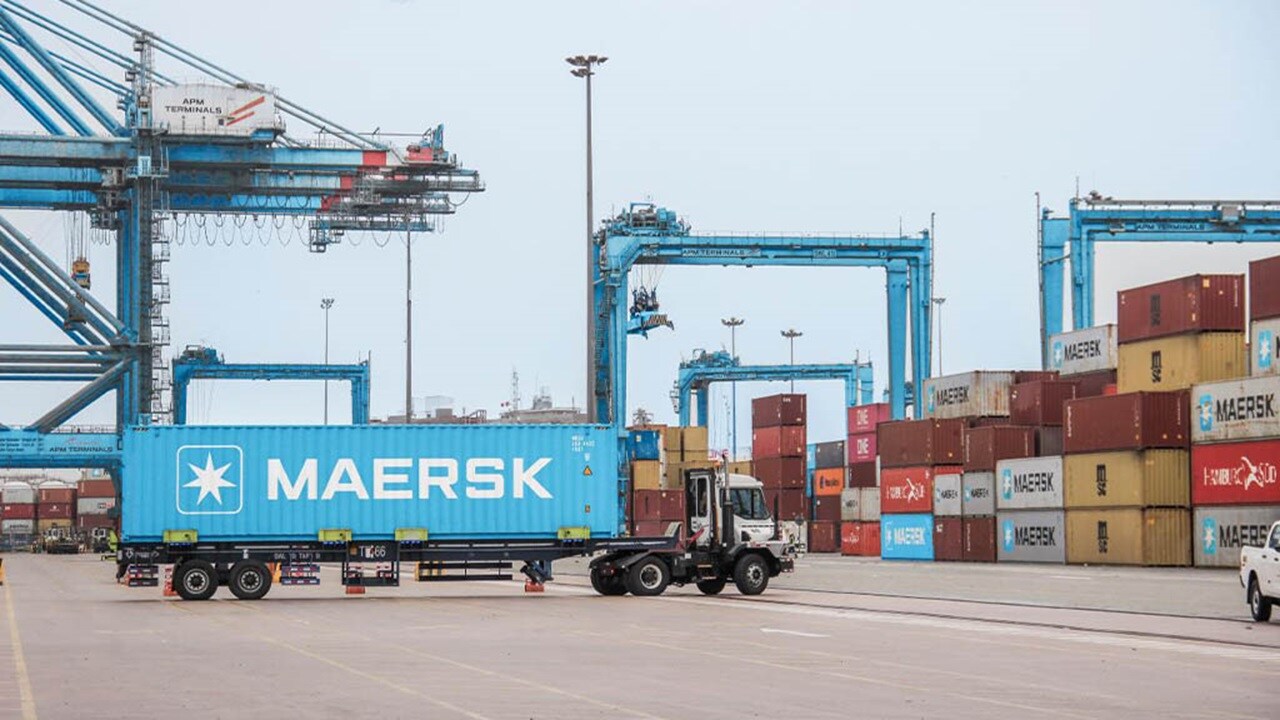
Latin America’s logistics landscape is inherently complex. Long inland distances, capacity constraints at ports, and varying levels of digital maturity across the ecosystem create operational friction, especially during periods of disruption. Many companies are now reassessing how fragmented their logistics setups have become. Managing separate providers for ocean transport, inland moves, warehousing, and distribution can slow decision-making at the very moment when speed is most critical.
In response, there is a growing movement toward end-to-end logistics integration. By consolidating providers and leveraging digital platforms, companies are reducing handover risks, improving visibility, and maintaining greater control over their supply chains. The goal is not perfection, but the ability to make faster, more informed decisions when conditions change. Digital tools, such as AI-driven analytics and real-time tracking, are enabling companies to anticipate disruptions and respond proactively, rather than reactively.
This shift is not just theoretical. Companies that have embraced multi-sourcing strategies and decentralized storage have reported fewer disruptions and lower transportation costs. The integration of digital twins, IoT devices, and predictive analytics is transforming warehouses and distribution centers, making them more agile and responsive to market changes.
Supply Chain Resilience: From Theory to Practice
In 2026, resilience is no longer a buzzword; it’s a practical requirement. Latin American companies are focusing on design choices that deliver real value: alternative gateways, diversified routings, strategic inventory positioning, and earlier identification of potential disruptions. The emphasis is on building supply chains that can adapt, not just absorb shocks.
Digital transformation plays a central role in this evolution. AI and automation are streamlining warehousing operations, optimizing routes, and enabling real-time inventory allocation. These advancements are not only reducing costs but also improving operational efficiency and service levels. Flexible procurement contracts and collaborative supplier relationships are helping companies adapt to market changes with greater agility.
The benefits of these strategies are clear. In 2025, organizations that diversified their supplier base and distributed inventories across regional hubs were able to maintain operations during weather-related and regulatory disruptions, while others faced costly delays and lost opportunities.
Strategic Takeaways for LAM Companies
Looking ahead, the logistics landscape in Latin America is nuanced. Global capacity may be available, but reliability is far from guaranteed. Predictability and visibility are now as important as cost, if not more so. Ongoing tax and customs reforms, especially in Brazil, along with new traceability mandates and evolving international regulations, are reshaping compliance strategies across the region.
Amid these challenges, there are significant growth opportunities. Brazil and Central America are well-positioned to attract new manufacturing and logistics investments as nearshoring gains momentum. Companies that treat logistics as a strategic capability, integrating flows, strengthening resilience where it matters most, and planning with uncertainty in mind, will be best equipped to navigate the complexities of 2026 and beyond.
Planning for Volatility, Not Reacting to It
The era of stable, predictable global trade is not returning anytime soon. Volatility is here to stay, and Latin American companies must plan for it, not just react when it arrives. The winners will be those who view logistics as a strategic asset, leverage digital tools, build resilient networks, and remain agile in the face of uncertainty. By aligning logistics decisions with broader business priorities, companies can not only weather the storms of 2026 but also position themselves for sustainable growth in the years ahead.
Ocean updates
| Trade lane | Comments |
|---|---|
|
Trade lane
East Coast of South America to Intra-Americas
|
Comments
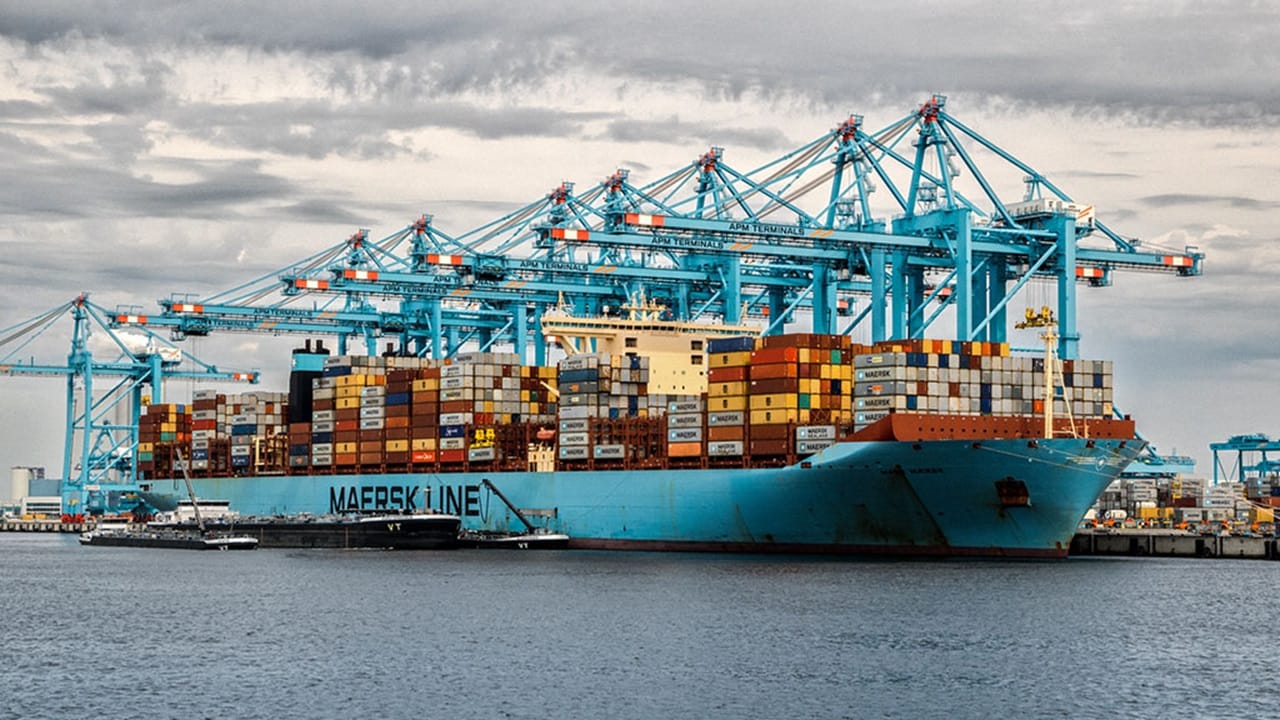
TANGO Service Adjustments: The suspension of Norfolk calls has been extended. Cargo will be handled via transshipment in Cartagena. Additionally, Rio de Janeiro will resume weekly calls, starting with Monte Azul 551N, ETA Rio de Janeiro on December 29. ECSA Shuttle – New Rotation: Slide - UCLA and TANGO TANGO vessel: Maersk Monte Alegre (originally 549S/552N) will take the RDO Fortune (originally 550S/601N) position in Santos Southbound, and all subsequent vessels will slide by one week at Santos Southbound. |
Main port status
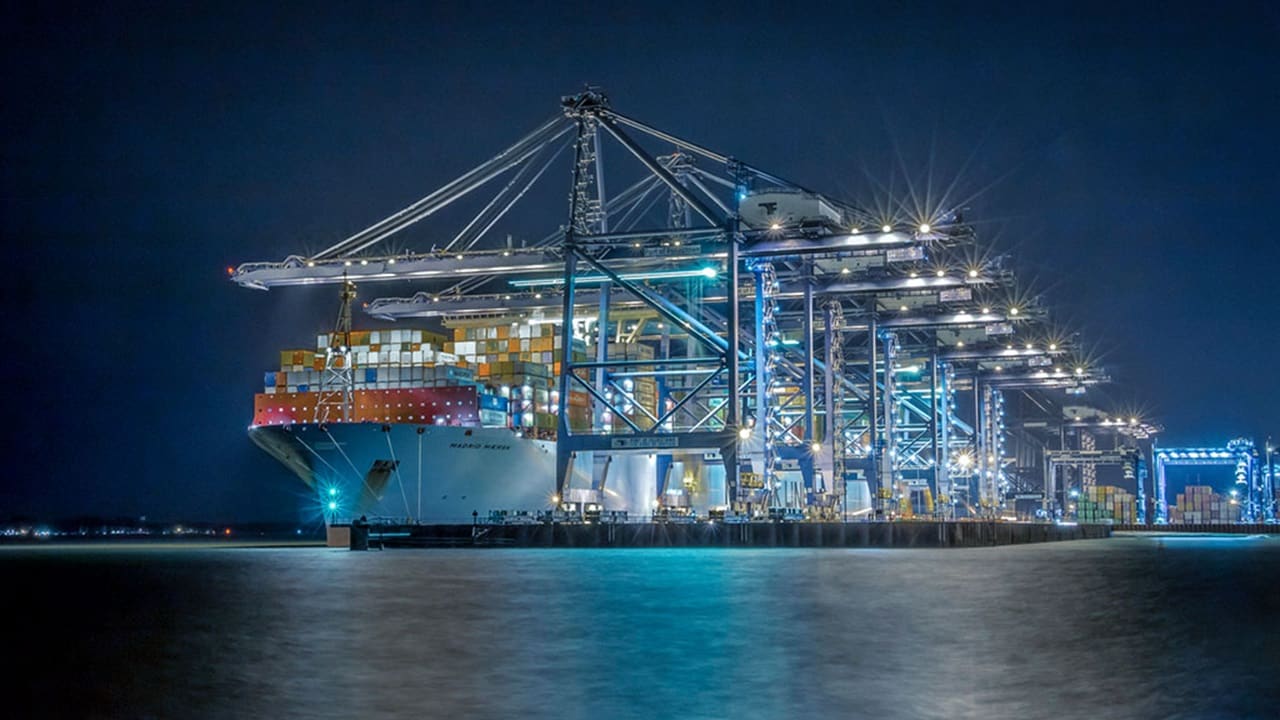
ECSA: Ports in Brazil continue to operate under pressure, with high yard occupancy, tight line-ups, and extended waiting times for out-of-window vessels, particularly in Santos, Paranaguá, Itapoá, and Rio Grande. Weather-related disruptions may impact operations in the coming days, while on-window vessels continue to be prioritized.
WCSA: Operations remain broadly stable, with yard levels controlled. Localized impacts are mainly related to weather events, with limited impact on vessel waiting times.
CAC: Overall conditions are stable, with most ports operating normally and at capacity. Minor delays may occur due to weather or equipment restrictions, but productivity remains largely consistent.
| 1-3 Days | 4-7 Days | |
|---|---|---|
|
Latin America
|
1-3 Days
Veracruz, Caucedo, Rio Grande, Santos Brasil, Itapoa, Paranagua (Out of Window), Buenos Aires (Out of Window)
|
4-7 Days
Itapoa (Out of Window,) Rio Grande (Out of Window), Santos Brasil (Out of Window)
|
|
Rest of World
|
1-3 Days
MontReal, Houston BP
|
4-7 Days
|
Highlights
Resilience: The way forward for Latin American supply chains
Unexpected is becoming the norm globally, and companies are actively ensuring that their supply chains are ready to thrive in the long run despite disruptions. The key to achieving this is resilience.

Learn more from the global Maersk team
Learn what’s happening in our regions by reading our Market Updates by region.
Europe
North America
Asia Pacific
Be sure to visit our “Insights” pages where we explore the latest trends in supply chain digitalisation, sustainability, growth, resilience, and integrated logistics.


