
 LinkedIn
 WeChat
To receive the Maersk North America Market Update in your inbox, sign up for our logistics newsletter here and update your preferences when prompted via email.
We’d love to hear from you! Please share your feedback
Take 5 minutes to tell us what’s working and what could be improved in the communications you receive from us at Maersk, so we can make them even more relevant and useful for your business.
Lead Logistics
Supply chain visibility has become increasingly important as tariff policies evolve and trade lanes adjust. In 2025, businesses with access to real-time data were better positioned to adapt sourcing strategies and adjust routing, while those with limited visibility faced higher costs in areas such as demurrage, detention, and expedited freight. As we enter 2026, the ability to anticipate potential disruptions continues to be a valuable capability for supply chain planning.
Advanced visibility platforms are supporting this need by integrating operational data with third-party inputs to provide consolidated supply chain views. According to industry analysis, modern systems can achieve prediction accuracy rates of 95% or higher for estimated arrival times across transportation modes. This improved visibility supports better inventory management, production scheduling, and cost control.
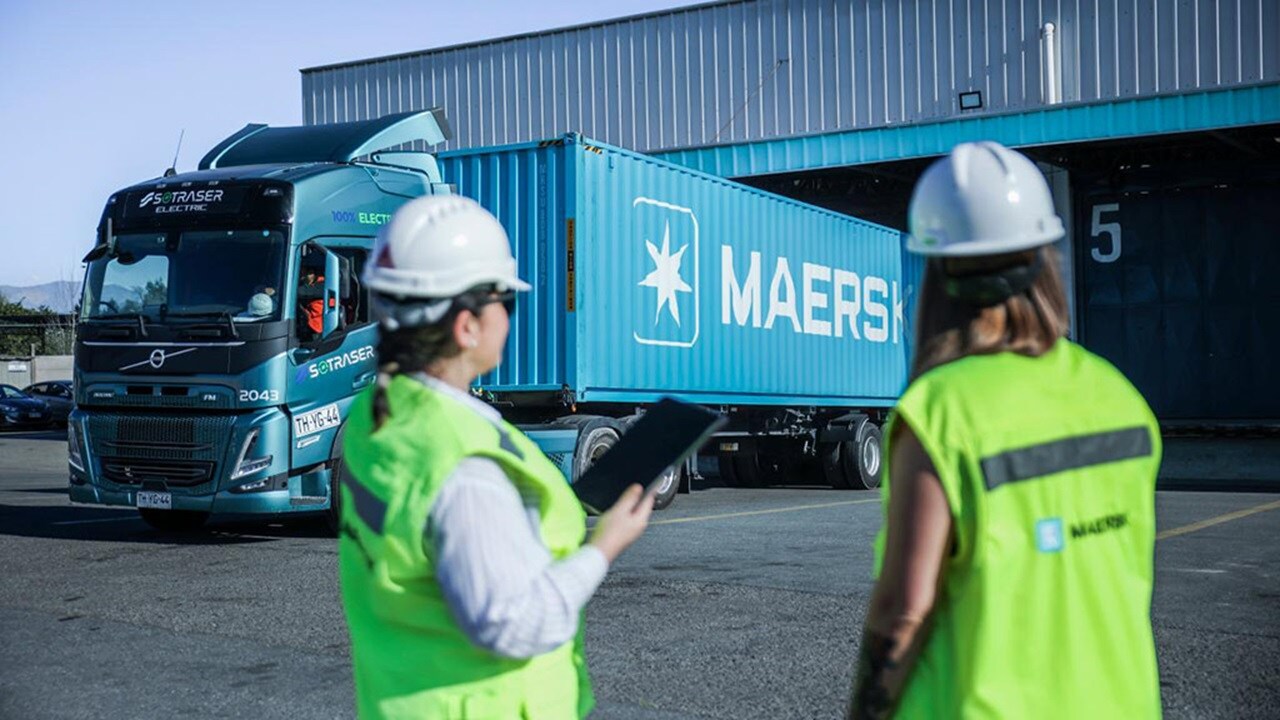
These platforms can also provide early warnings about potential issues such as port congestion, berth delays, or terminal constraints, enabling businesses to consider alternative routing options. Predictive alerts for demurrage and detention—often providing 10-15 days of advance notice—give companies time to arrange pickups or adjust contracts, which can help manage costs.
As you evaluate your supply chain strategy for 2026, consider where visibility gaps may be creating operational challenges. Identifying high-cost disruption points, such as demurrage exposure, production timing constraints, or expedited freight needs, can help you assess whether enhanced visibility tools would benefit your operations. Maersk offers logistics capabilities that combine network expertise with technology platforms to support supply chain visibility and planning.
Ocean Update
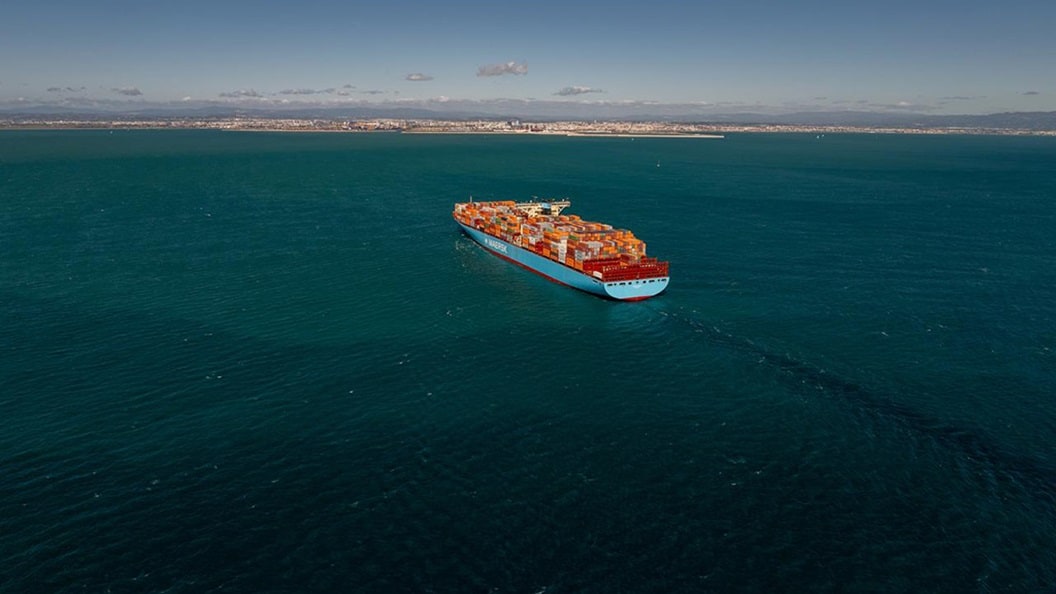
Operations in the Red Sea:On December 18-19, 2025, the Maersk Sebarok successfully completed an initial transit through the Bab el-Mandeb Strait and Red Sea on our MECL service from India & Middle East to the US East Coast and Gulf, with the highest safety measures applied. Customers with cargo on this vessel were informed directly.
While this is a significant step forward, it does not signal a wider network change back to the trans-Suez corridor. Assuming security thresholds continue to be met, we are considering a stepwise approach with a limited number of additional sailings. Read more in our Global Market Update. We will continue to update our Red Sea webpage as the situation evolves.
Operations in Venezuela:If you have cargo moving through Venezuela, we continue to operate where it is safe and compliant with international sanctions and regulations. We are actively monitoring port operations, security conditions, and regulatory updates. Our priorities are safety, service continuity, and full compliance. If conditions change in ways that impact your cargo, we will notify you immediately through official Maersk channels. For questions about specific shipments or routing alternatives, contact your Maersk representative.
Europe to North America:We have available space across most services from Europe to North America. The main exception is Mediterranean-to-Canada routings, where capacity remains limited. Early booking is particularly important for January shipments to maintain schedule predictability as you start the year. Your Maersk representative can help identify routing options if your preferred service faces constraints.
Indian Subcontinent, Middle East, and Africa to North America:The MECL service continues to provide weekly departures with schedule reliability. This consistency has improved utilization, and we've handled overflow cargo in recent weeks. Looking ahead, we expect available space on both the MECL and TP16 services as the new year starts. Note that the MECL service will temporarily shift from the Bayport terminal to the Barbours Cut terminal in Houston for the first eight weeks of 2026 due to construction delays at Bayport.
West Africa imports continue to show strong momentum, particularly for cocoa and resin. If you have additional volume to move from West Africa to the U.S. East Coast, we currently have space available on TA services. South Africa maintains a consistent flow across chemicals, foodstuffs, beverages, and general cargo as we remain in the off-season for Reefer commodities. As you plan for the new year, expect increased demand for textile and apparel shipments on Z1 imports, along with rising coffee volumes. Early booking will help you secure space as demand picks up in the coming weeks.
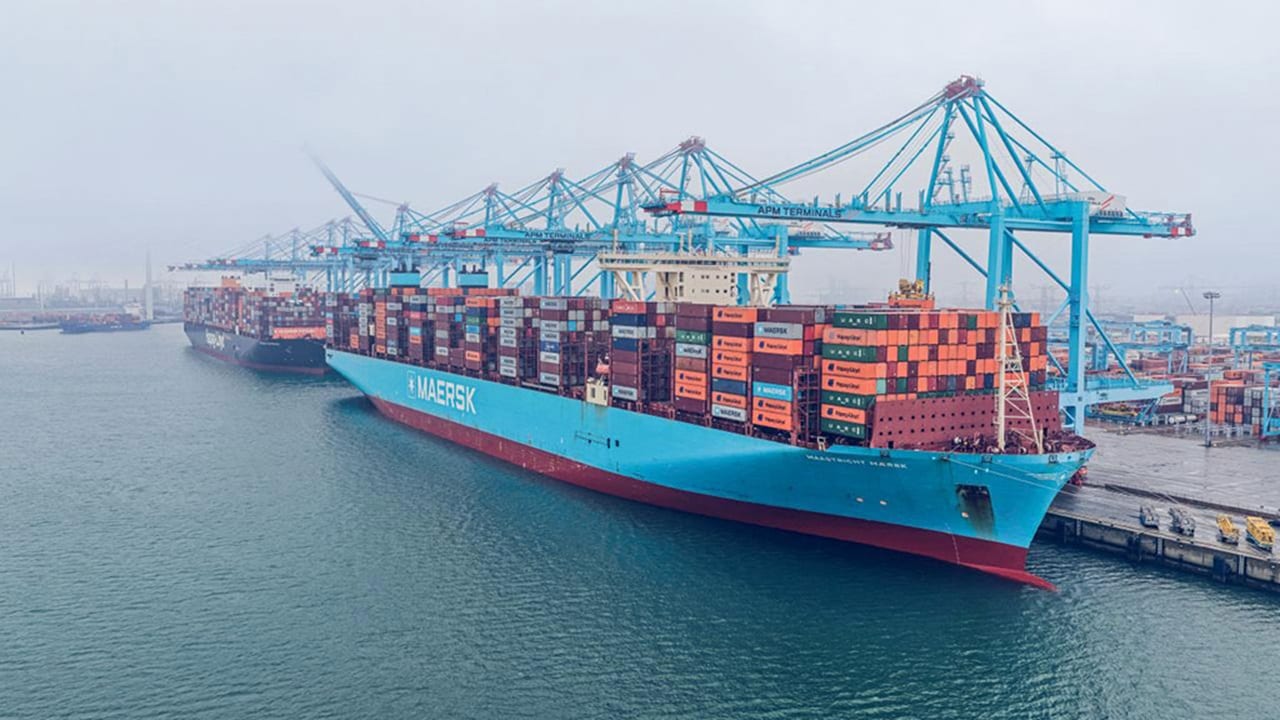
Asia-Pacific to North America: The Transpacific market picked up toward the end of 2025, with market rates increasing 41% on the West Coast and 25% on the East Coast since early December lows, according to industry indices.
With Chinese New Year in mid-February 2026, shippers typically move cargo before factory and customs closures. Booking early can help secure space during this period. We've scheduled seven blank sailings across our Transpacific network during Chinese New Year, four to the West Coast and three to the East Coast, to align capacity with anticipated demand patterns during the holiday. You can find full details in our Customer Advisory.
Our East-West Gemini network continues to deliver schedule reliability, with Transpacific Eastbound services achieving 92.5% schedule reliability into the West Coast and 90.7% into the East Coast, according to the latest SeaIntel report covering October and November arrivals (released in December 2025).
To receive the latest updates on your cargo, sign up for ETA notifications or check schedules on Maersk.com. For weekly operational updates in our “Weekly Reader,” subscribe to our advisories at Maersk.com/newsletter.
Less than Container Load (LCL) Update
The LCL market closed 2025 with notable resilience despite tariff pressures and extended transit times from Red Sea disruptions. LCL's pay-per-use model provided cost efficiency for businesses managing inventory carefully, whether small importers or larger operations relying on just-in-time delivery. As we move into 2026, if you're using LCL to maintain flexibility in your supply chain, prioritizing visibility and reliable transit times becomes even more important.
Maersk LCL operates exclusively on the East-West (Gemini) Network, which maintains over 90% on-time performance. This gives you consistent scheduling and reduces the risk of delays that can disrupt your inventory planning. If you're evaluating LCL options for 2026 or want to understand how it fits into your supply chain strategy, your Maersk representative can provide more information.
Customs Update
The customs and trade policy landscape remains active as we start 2026, with developments across North America that may affect your supply chain planning and costs.
In the United States, tariff policy continues to shift. The administration delayed planned tariff increases on furniture, kitchen cabinets, and vanities that were set to take effect January 1. The current 25% tariff on these goods will remain in place until at least January 1, 2027, rather than increasing to 30-50% as previously announced. Separately, tariff exemptions announced in November remain in effect for certain food imports, including beef, tomatoes, bananas, and coffee. The Supreme Court has not yet ruled on the legality of certain tariff measures, though some importers are already filing claims in anticipation of potential refunds. If your imports fall under affected categories, review your tariff classifications to confirm your current duty exposure.
In Mexico, significant changes take effect on January 1, 2026. The government approved tariff increases ranging from 10% to 50% on over 1,000 products from China, South Korea, India, Vietnam, Thailand, Brazil, Indonesia, Taiwan, Nicaragua, the United Arab Emirates, and South Africa. Affected sectors include textiles, light vehicles, household appliances, motorcycles, cosmetics, furniture, plastics, and auto parts. Over 300 items previously exempt will now be subject to import duties. Mexico's new Customs Law also takes effect on the same date, introducing updated procedures that will require adjustments to your compliance practices if you import into or export from Mexico.
In Canada, two steel-related measures took effect on December 26, 2025. A new 25% surtax applies to certain steel derivative goods imported for commercial purposes, with exceptions for goods in transit on December 26 and certain goods imported before July 1, 2026, for specific end-uses such as motor vehicles, aerospace, and wind tower projects. Separately, certain steel goods remain subject to a 50% surtax when imports exceed tariff rate quota thresholds. Shipment-specific permits are required to claim quota access. Relief may be available under remission orders for specific situations, though remission is not automatic and requires documentation and compliance with CBSA timelines.
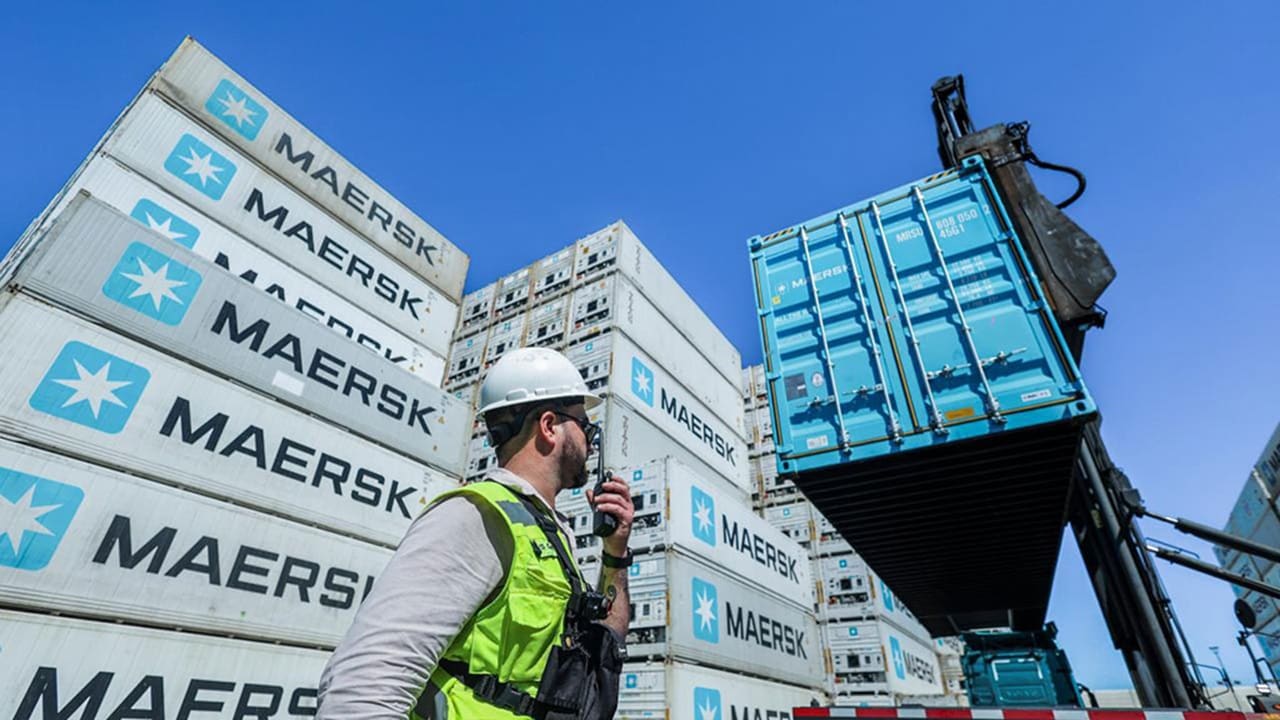
Navigating 2026 Trade Compliance: Join us and USFIA for a webinar on January 15 at 2:00 PM EST, covering the 2026 trade outlook, identifying compliance risks, and strategies to reduce impact. Register here.
Stay in close contact with your customs broker to understand how these changes may affect your specific commodities. Our regulatory advisory team can help you apply Free Trade Agreements, including USMCA, structure tariff engineering strategies, and align with Partner Government Agency requirements. Our Trade & Tariff Studio gives you SKU-level visibility into duty exposure and regulatory requirements, runs what-if scenarios across suppliers and origins, and flags risks early. For support or access to Trade & Tariff Studio, contact compliance.mcsi.nam@maersk.com in the US and compliance.ca.mcsi.nam@maersk.com in Canada.
Inland Update
Drayage: The drayage market enters 2026 with underlying pressures that could affect capacity and timing at key ports. Several regulatory and operational factors are creating localized volatility that may impact your planning.
Driver availability faces potential pressure over the next one to three years. The Federal Motor Carrier Safety Administration estimates indicate that up to 5% of all commercial driver's license holders may be removed from the workforce due to new immigration-related policies, with concentrated impacts in California, Arizona, and Texas, where losses could reach 15-25%. Southern California, which handles a significant portion of U.S. container imports, could see 20-25% driver losses, potentially tightening capacity during peak periods.
Additionally, English language proficiency enforcement across states has prompted some carriers to avoid high-enforcement regions, effectively removing capacity from those markets and creating routing inefficiencies.
Rising operational costs are pushing smaller carriers out of the market. Wages have increased 15-20%, insurance costs have risen 25-35%, and equipment costs are up 15-25%. These pressures particularly affect smaller carriers that historically provided flexible, specialized services. As smaller carriers exit, the market consolidates toward larger providers, reducing flexibility and potentially increasing pricing power among the remaining carriers.
Booking windows have extended at major ports. In Los Angeles/Long Beach and Oakland, peak-period appointments now require two to three days’ lead time compared to same-day booking historically. If demand surges suddenly, delays could extend to three to seven days. Be mindful that localized volatility and compliance-driven exits may create pockets of risk that can affect service levels.
Terminal friction now represents a significant share of landed costs. Restrictive appointment windows, grounded operations at off-dock yards, stricter last-free-day enforcement, premium appointment fees, and persistent chassis shortages drive detention, demurrage, and redelivery charges. Distance matters less than terminal policy in determining your total drayage cost.
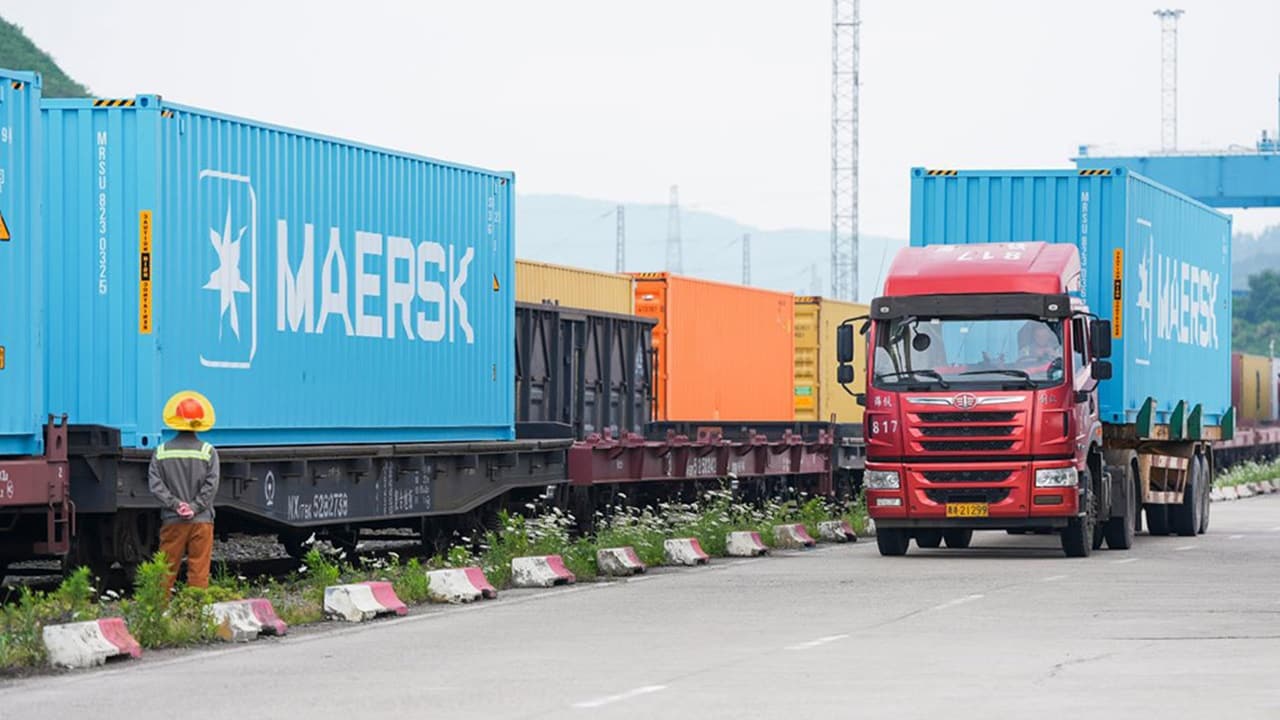
Rail: While the rail market is expected to stabilize through January, congestion lingers exiting December. In Los Angeles/Long Beach, high December rail flow during the holidays has led to elevated dwell times of 5-7 days for import cargo due to strain on rail equipment. Equipment supply due to flows and repositioning is expected to become more abundant throughout January. Winter weather and high winds are also periodically impacting Canadian cargo via reduced train lengths and speeds as necessary to move cargo safely.
Plan proactively and build in longer lead times for appointments at key ports, particularly during periods of higher volume. Market stability matters when selecting drayage providers. With over 42 years of experience, Maersk Multicarrier Solutions continues to navigate these headwinds and provide service continuity for our customers.
Warehousing Update
The warehousing market is shifting as businesses reassess their distribution strategies heading into 2026. Capacity across North America remains imbalanced, with inland hubs experiencing overcapacity while coastal distribution centers stay tight, according to. Many companies signed warehouse leases in 2021 during a period of high import volumes, and with typical five-year lease terms, a significant number of these leases are coming up for renewal in 2026. This is prompting decisions around whether to renew, bring operations in-house, or outsource to third-party providers.

Tariff uncertainty continues to influence warehouse strategy. As mentioned earlier in this update, the Supreme Court has not yet ruled on the legality of certain tariff measures, and businesses are weighing location trade-offs between facilities near ports versus inland locations. Warehouse operator Prologis forecasts that demand for logistics space in key U.S. coastal gateways will reach a three-year high in 2026, driven by companies shifting inventory closer to consumers to mitigate rising transportation costs. Proximity to ports can reduce drayage costs but often comes with higher real estate costs and tighter labor markets. Inland locations offer lower occupancy costs and better worker availability but add transportation time and expense. Your optimal balance depends on your specific product mix, inventory velocity, and cost structure.
Interest in automation and robotics remains high, though businesses are becoming more aware of the cost and lead-time trade-offs. According to Modern Materials Handling's 2025 Automation Survey, companies expected to spend an average of $1.5 million on materials handling equipment and solutions in 2025. Prologis notes that power availability is becoming a top consideration for facility selection, as fully automated warehouses use three to five times more power than traditional operations, and power availability is already constrained in some areas.
As you approach lease renewal decisions or evaluate your distribution network, consider how your warehouse footprint aligns with current trade flows and cost pressures. Shared-user facilities and variable cost models, such as pay-per-use storage, can reduce fixed-cost exposure and provide flexibility as demand shifts. Network modeling tools can help you assess inventory redistribution options and identify capacity gaps or redundancies across your footprint.
Maersk's warehousing network includes both coastal and inland facilities, with capacity available to support distribution strategies across different scenarios. Our teams can help you evaluate location trade-offs, assess automation options, and model network configurations that align with your cost and service objectives. If you're considering changes to your warehouse strategy in 2026, reach out to discuss your specific requirements.
More News & Insights from Maersk from around the world
- Maersk names Ditlev Blicher as new Regional President for North America
- Maersk Enhances Connectivity Across the Americas with new Manzanillo, Mexico Depot
- Collaboration that delivers: Keeping Primark ahead
Visit our Insights Hub where we share the latest trends in supply chain digitization, sustainability, growth, resilience, and integrated logistics.
Useful links
To sign up for the Maersk North America Market Update newsletter, click here and update your preferences when prompted via email.
Check Maersk market updates from across other regions by clicking here.


