
 LinkedIn
 WeChat
To receive the Maersk North America Market Update in your inbox, sign up for our logistics newsletter here and update your preferences when prompted via email.
The Situation
- North America market conditions: Demand for container trade increased in Q1 2026, supported by robust export growth out of China, which accelerated relative to the previous quarter. Global container demand is estimated to have expanded between 3% and 5% year-on-year in Q1 2026. At the same time, the conflict in the Middle East has weighed on demand growth in the region toward the end of the quarter. Container import growth was strongest in Africa and Europe, while import growth to North America remained slightly negative. The outlook for global container demand in 2026 remains uncertain on the back of higher energy prices and constraints on trade in the Upper Gulf region. Assuming oil prices remain in the 90-100 USD/bbl range through the year, and the conflict is resolved soon in the Middle East, global container demand is expected to still grow between 2-4%.
- Tariff environment and IEEPA ruling Trade policy developments are driving immediate financial adjustments. Following the February 20 U.S. Supreme Court ruling invalidating specific tariffs under the International Emergency Economic Powers Act (IEEPA), U.S. Customs and Border Protection (CBP) opened a portal for refund claims on April 20. Processing for these refunds is expected to take 60–90 days, creating a defined window for importers to reclaim eligible duties paid over the preceding year.
- Middle East update: While a temporary ceasefire between the U.S. and Iran is currently in effect, information remains scarce—making the situation deeply dynamic. For continuous updates regarding this situation, please monitor the Stay Ahead information hub.
Ocean & Gateway Update
We continue to make targeted network adjustments across the North American maritime network in response to the Middle East network contingencies. Customers shipping via Mediterranean (MED) trade lanes should anticipate potential delays and are encouraged to contact their Maersk representative for the latest routing options and estimated transit times.
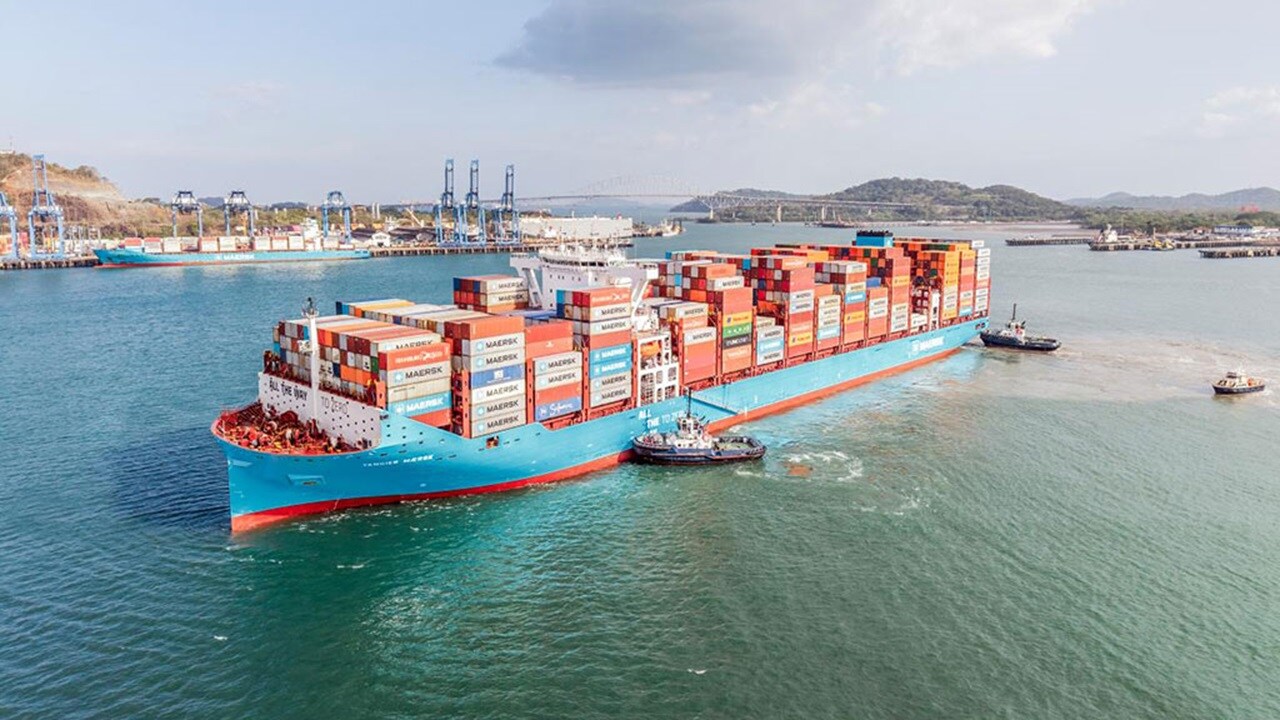
- Transatlantic updates: We’ve seen an uptick in customer’s demand in the Transpacific trade, however we still have space available in select lanes. Please plan your bookings with enough notice.
- Transpacific update: U.S. West Coast (USWC) gateways remain an important watchpoint as volumes through Los Angeles continue to contribute to North America terminal activity. Customers should factor in the potential for extended terminal processing times at USWC ports when planning shipments.
- North America–Africa corridor update: The corridor is entering its peak seasonal cycle. Cut flower volumes from West Africa (WAF) into Mexico are currently strong, while South Africa (SAF) is beginning its citrus reefer season into the U.S. and Canada. Please contact a Maersk representative to understand available service options.
Canada as an option to reduce risk: Tariff changes, enforcement shifts, and policy decisions can turn a previously reliable trade lane into an operational and financial liability almost overnight. In that environment, Canada is emerging as a credible reliability hedge. Michelle Grose, Managing Director of Maersk Canada, shares her thoughts on the value of introducing controlled flexibility into networks that were originally built for efficiency.
To receive the latest updates on your cargo, sign up for ETA notifications or check schedules on Maersk.com. For weekly operational updates in our “Weekly Reader,” subscribe to our advisories at Maersk.com/newsletter.
Less than Container Load (LCL) Update
The Less-than-Container Load (LCL) market has stabilized into a phase of operational optimization. While capacity is available across most corridors, demand remains uneven due to ongoing inventory corrections and shifting sourcing patterns. LCL is also increasingly being utilized as the primary entry point for shippers diversifying trade flows from China toward Southeast Asia.
Air Freight Update
The conflict in the Middle East has introduced volatility into global air capacity. As a result of maritime diversions, there is a measurable spike in Sea-Air conversions. Cargo originating in Southeast Asia is increasingly utilizing air gateways to buffer against extended ocean transit times. This shift has led to a concentration of volume at major transit hubs (specifically Dubai and Singapore), with intermittent capacity bottlenecks and extended lead times for transshipment cargo destined for North America. To mitigate the constrained environment and capacity risks, we advise booking as early as possible.
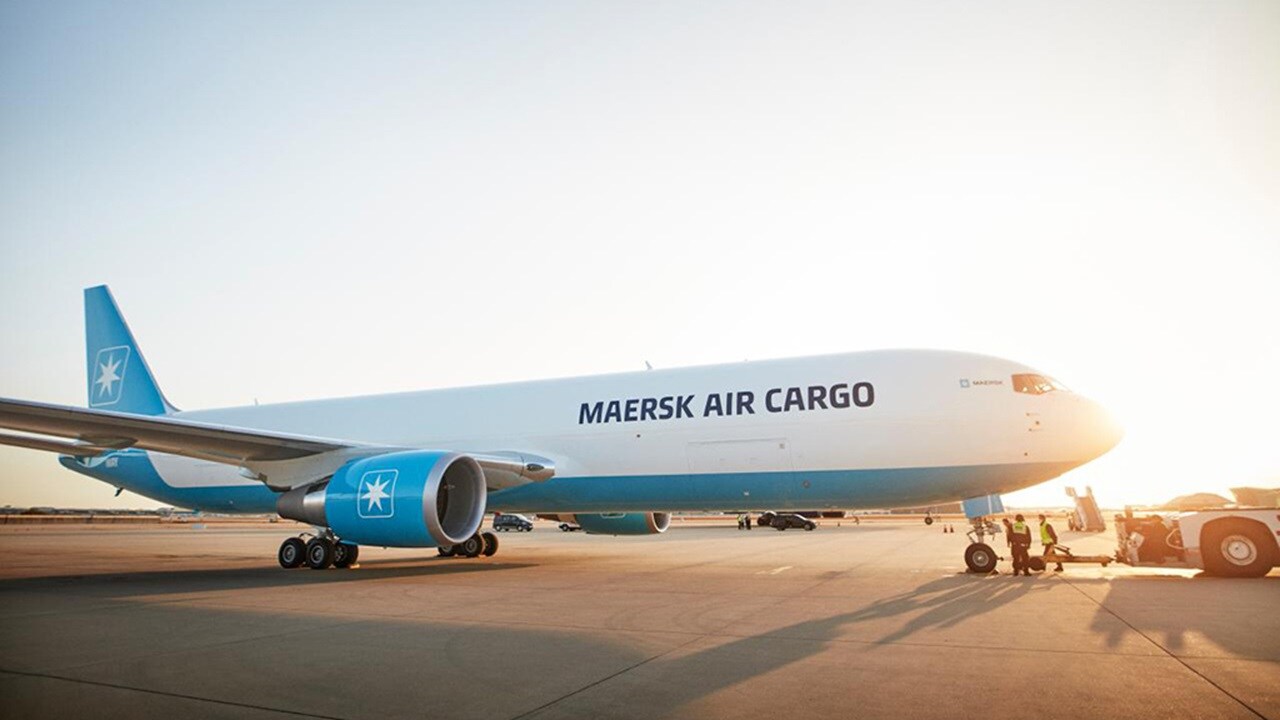
Regional action (Mexico): The Mexican air cargo sector is facing compounded pressure from rising demand, weather-related airport limitations, and the downstream capacity impact of European and Asian carrier disruptions. These constraints are expected to continue in the medium term with increased fuel costs and space restraints. To navigate these local disruptions and regulatory complexities, we have activated a Critical Desk service (such as Next Flight Out (NFO) and Hot Shot solutions) in the region.
Landside Update (Inland, Depot, Warehouse)
Inland Update (First Mile and Rail)
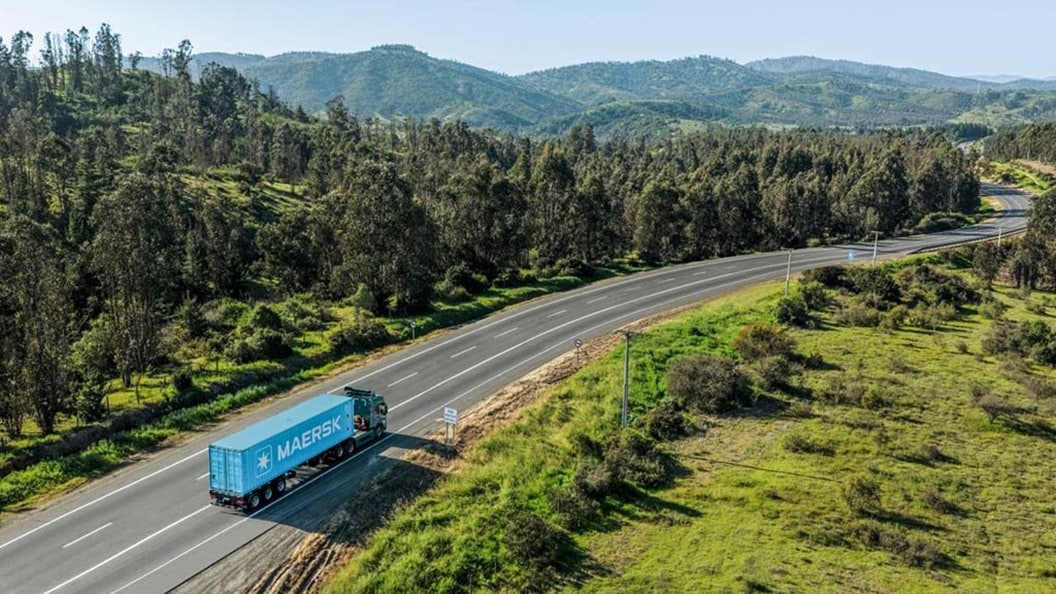
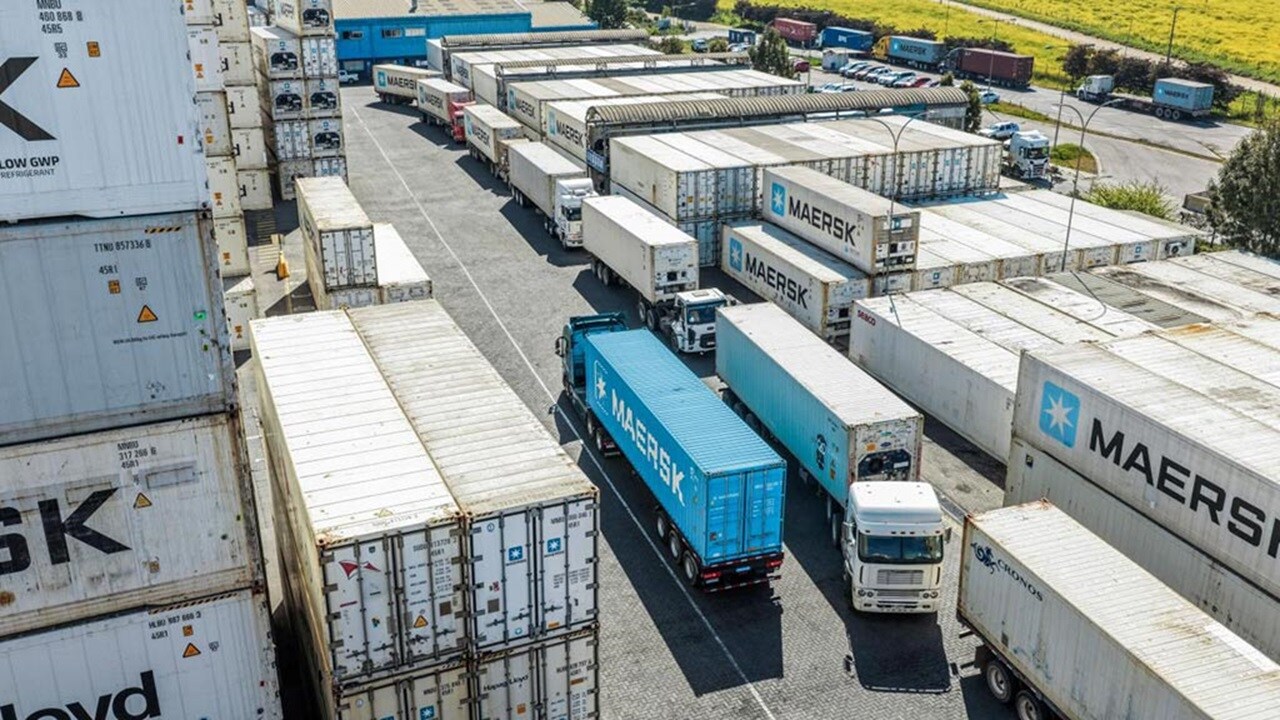
Customers should be aware that elevated diesel prices continue to impact drayage economics, particularly at East Coast and Gulf gateways. Fuel surcharges remain a significant component of total drayage costs. While national drayage capacity remains available, lane-specific tightening is emerging due to carrier attrition and rising operating expenses. Contact your Maersk representative for current rate information and alternative routing options.
- Microcongestion at Los Angeles/Long Beach: Volume recovery has increased gate turn times, thus reducing daily truck turns. In the Northeast, New York/New Jersey reports inconsistent chassis availability at Elizabeth and Newark terminals.
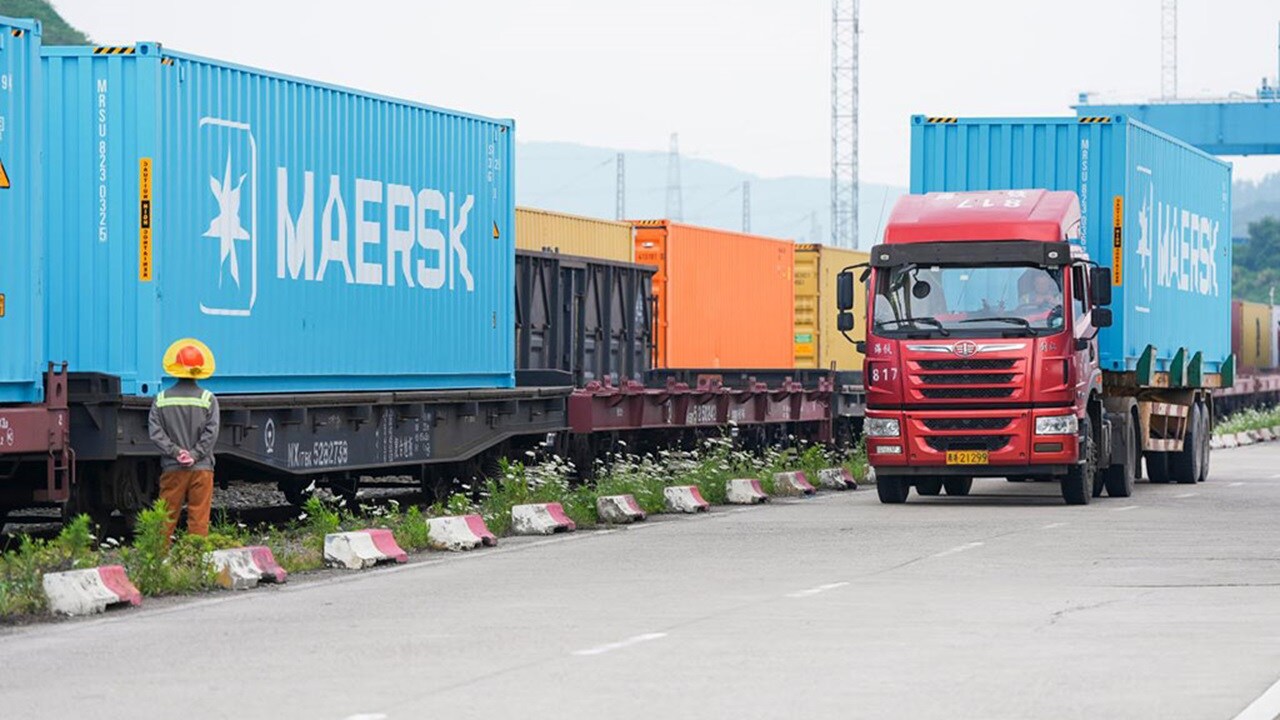
- Steady rail performance: The rail velocity in North America is trending upward as the network transitions out of the winter cycle. In Western Canada, Prince Rupert has recorded a steady improvement in inland reliability, with average terminal dwell times reduced by four days week-on-week.
Depot Update
The North American depot market is playing a growing role in network resilience. Rather than serving strictly as reactive overflow storage during terminal congestion, the U.S. depot footprint is being proactively utilized to manage dwell times and offset terminal storage costs from operational timelines. Maersk’s own-depot network in Chicago and Houston, alongside 40+ third-party locations, currently maintains sufficient capacity to absorb current volume fluctuations without impacting network fluidity.
Warehousing Update
With inventory levels normalizing after an extended period of volatility, warehousing activity in North America has entered a period of stabilization. The market is shifting away from long-term, fixed capacity commitments toward highly intentional, data-driven flexibility for warehouse space and fulfillment capacity. As peak planning commences, shippers are prioritizing scenario-based forecasting and network analyses to determine the optimal distribution center footprint for balancing inland transport costs against regional service levels.
Customs and Compliance Update
Across North America, regulatory bodies are shifting from tariff litigation toward data-driven enforcement.
- United States: While IEEPA duty refund processing is underway, regulatory focus has expanded beyond standard tariff application to rigorous supply chain origin tracing. The Department of Justice (DOJ) has established a Trade Fraud Task Force to address broader compliance risks. Its primary focus is identification of transshipment maneuvers used to mask the true origin of goods.
- Canada: Effective January 1, 2026, CARM is the official system of record for all Canadian imports. Importers are navigating an overlapping surtax regime, including China-focused surtaxes on steel, aluminum, and electric vehicles, and global steel derivative surtaxes that carry duty impacts of up to 25%. The Canada Border Services Agency (CBSA) is increasing scrutiny on origin qualification, valuation, and trade data accuracy through automated verifications.
- Mexico: The Ministry of Economy recently mandated an Automatic Import Notice for aluminum (Chapter 76) to monitor smelting and casting origins and prevent trade circumvention. This measure directly impacts industrial and IMMEX shippers in the automotive, aerospace, and manufacturing sectors. Technical and traceability data must be provided promptly via Mexican Single Window (Ventanilla Digital) to avoid operational delays at the border.
Our Global Head of Trade and Customs Consulting, Lars Karlsson, talks about the future of customs and the reality of a passport for goods here. To explore these regulatory shifts in greater detail, register to view the on-demand recording of our U.S. Customs & Trade Policy Webinar.
Logistics Ecosystem Update
E-Commerce and Parcel Delivery Update
The cross-border e-commerce model in North America is transitioning toward a network restructuring characterized by rapid network consolidation, larger freight flows, and forward-positioned inventory closer to the end consumer to bypass global transit shocks. Besides speed, shippers are increasingly valuing predictability, flexibility, and consistency at scale. To achieve this reliability, shippers are moving away from fixed, single-source fulfillment and prioritizing data-driven peak planning and multi-carrier flexibility to build resilient e-commerce networks. We continue to support these accelerated decision-to-execution cycles by actively expanding our final-mile capabilities.
Cold Chain Update
Cold storage availability has improved in several regions across North America, creating short-term utilization pressure while shifting customer focus toward service quality and throughput, according to assessments by Global Cold Chain Alliance (GCCA) and Newmark Research. The sector remains steady but selective—with importers and exporters prioritizing service quality, throughput, compliance, and end-to-end control. Retailers continue to emphasize inventory velocity and centralized control for fresh produce, while pharmaceutical shippers are driving higher requirements for visibility, compliance, and exception management, according to the USDA Cold Storage Annual Summary.
More News & Insights from Maersk
- Maersk named a Leader in the 2026 Gartner® Magic Quadrant™ for fifth consecutive year
- Why Cargo Insurance is now essential for risk coverage and resilience
- Ground Freight Reliability: Why ‘On-Time’ Is the Wrong Metric
- Maersk delivered volume growth across all businesses in Q1 (Press Release)
Visit our Insights Hub where we share the latest trends in supply chain digitalization, sustainability, growth, resilience, and integrated logistics. To sign up for the Maersk North America Market Update newsletter, click here and update your preferences when prompted via email.
Check Maersk market updates from other regions by clicking here.


