
 LinkedIn
 WeChat
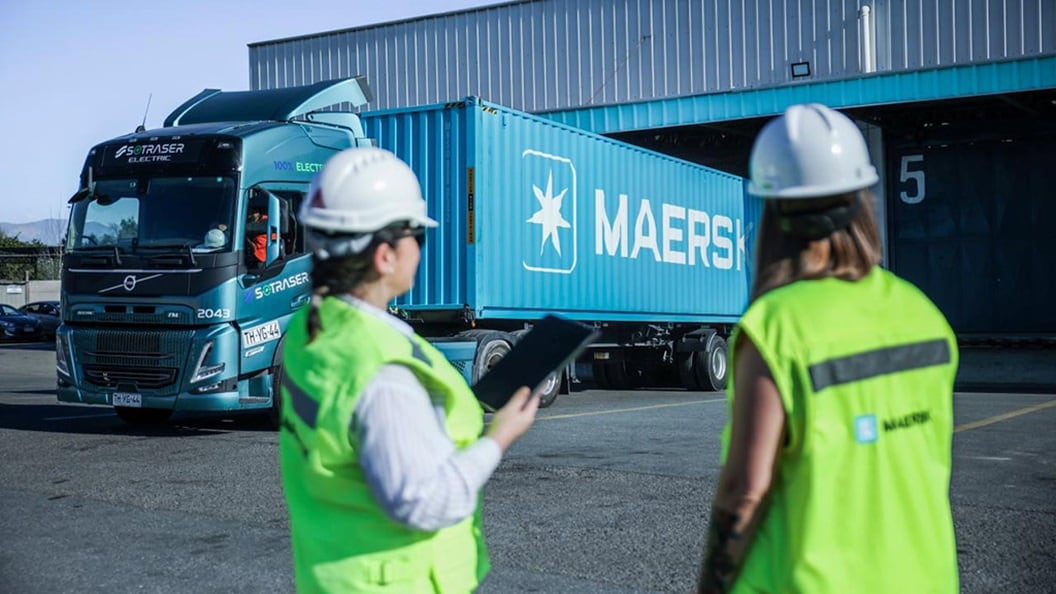
Topic of the Month: Balancing Agility and Efficiency: Rethinking Supply Chains in Latin America
Volatility is no longer a temporary external factor, it has become a defining condition of global trade. Today’s supply chains operate under constant pressure from overlapping disruptions, including geopolitical shifts, climate events, regulatory changes, and economic instability. As a result, the predictability that once supported traditional planning models has largely disappeared.
In Latin America, these dynamics are even more pronounced. Longstanding factors such as exchange rate fluctuations, shifting regulations, infrastructure constraints, and strong dependence on global trade flows amplify the impact of external shocks. In this environment, disruptions are no longer exceptions; they are part of the operating reality.
This context calls for a shift in how supply chains are designed and managed. Rather than viewing efficiency as the sole driver of performance, leading organizations are recognizing the need to balance efficiency with agility. Both are critical: efficiency enables competitiveness, while agility ensures continuity. The challenge is no longer choosing one over the other but integrating both to build supply chains that can perform consistently, even as conditions continue to change.
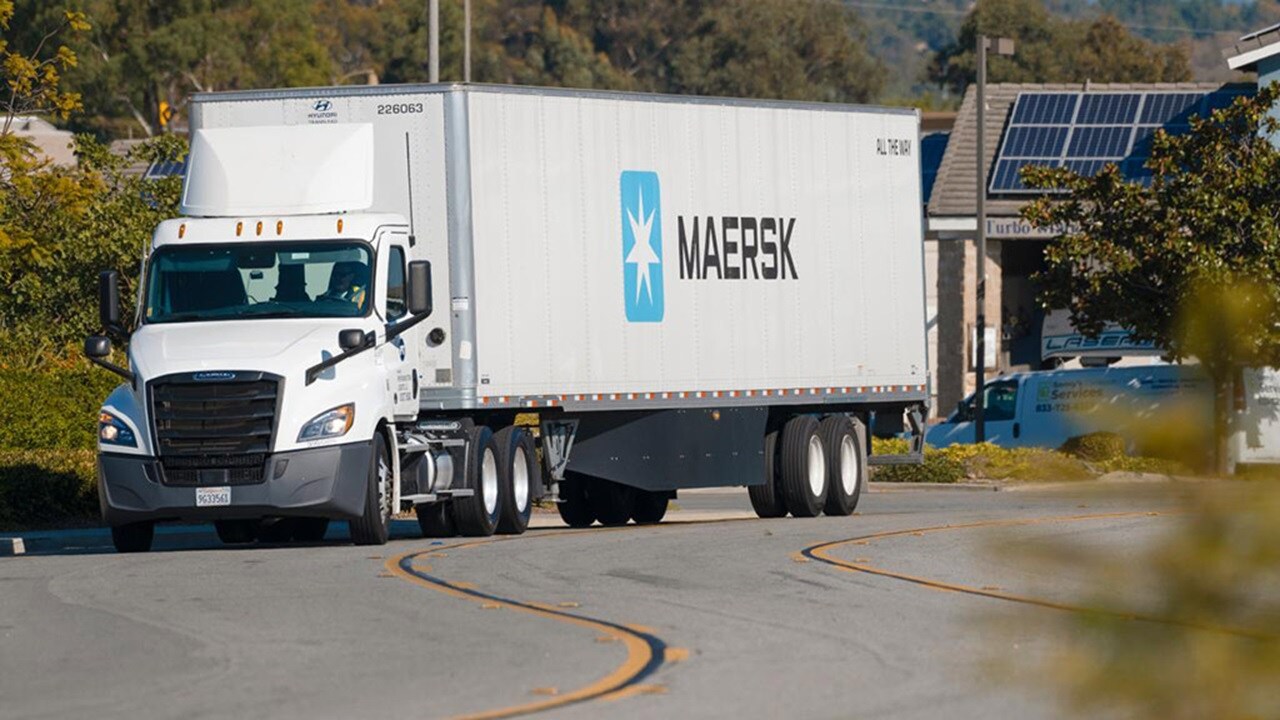
When efficiency becomes fragility
For decades, efficiency defined operational excellence. Lean supply chains, minimal inventories and standardized processes enabled scale and consistency, particularly in stable environments. But these models were built on the assumption that disruption would be occasional. In increasingly interconnected supply networks, that assumption no longer holds—localized issues can quickly cascade across the system, amplifying risk rather than containing it. Research shows that deeply interconnected supply chains can propagate isolated shocks across the broader network, turning localized disruptions into system-wide impacts.
Recent disruptions have exposed this limitation. Lean models, such as just-in-time, are designed to reduce buffers and perform well under predictable conditions but are less effective as variability increases. Even minor interruptions can trigger disproportionate impacts, highlighting how tightly optimized systems often lack the flexibility to absorb change.
In Latin America, this challenge is intensified by structural constraints. The region faces persistent infrastructure gaps, regulatory complexity, and lower logistics performance relative to global benchmarks, which limits the availability of alternative routes and operational adjustments. At the same time, volatility has become structural, with global disruptions translating quickly into local operational impacts. Weather-related events further stress supply chains, requiring frequent adjustments in routing and planning, often in environments with limited flexibility.
In this context, supply chains designed purely for efficiency become more sensitive to disruption. The absence of flexibility across suppliers, routes, or decision-making limits the ability to respond in time. This is where an integrated logistics partner plays a critical role: enabling network adaptability, providing end-to-end visibility and helping ensure cargo continues moving to the right place at the right time, even as conditions change. Integrated logistics connects different parts of the supply chain into a coordinated system, reducing fragmentation and improving the ability to respond when disruptions occur.
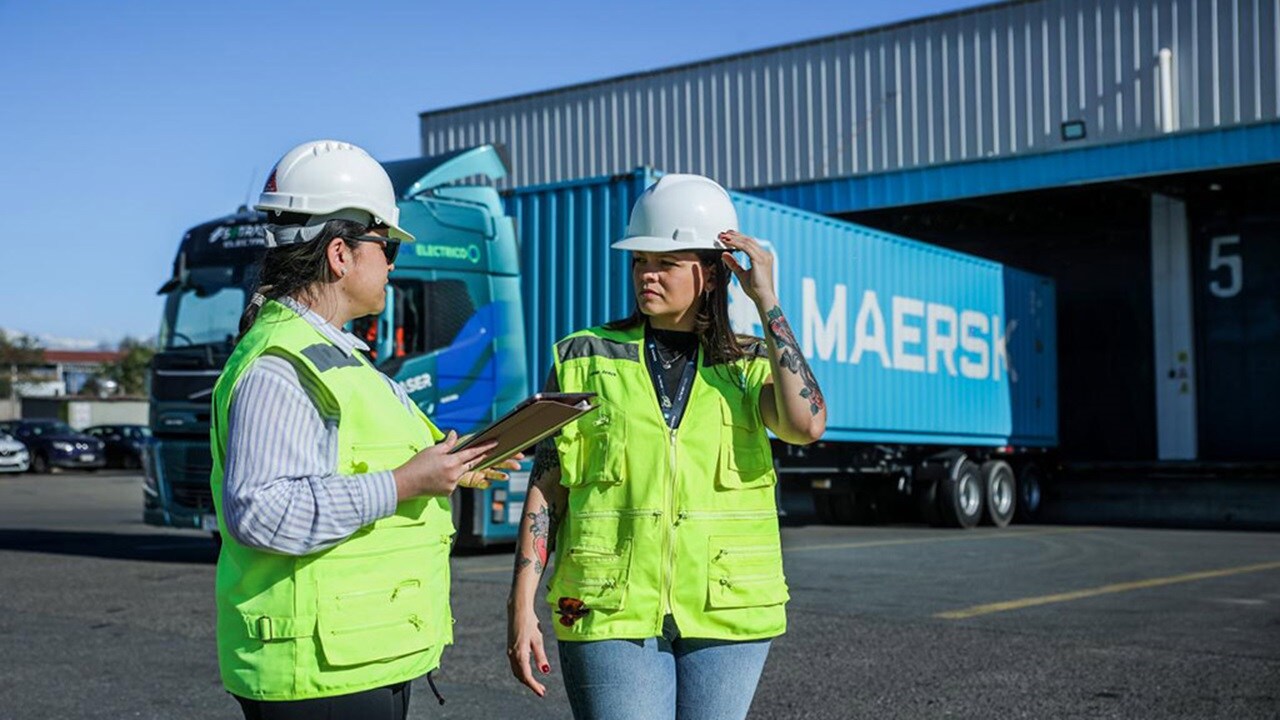
Integrating Agility and Efficiency
It is within this context that the need to integrate agility and efficiency becomes clear. Rather than treating them as competing priorities, leading organizations are designing supply chains where both coexist. This shift is already underway: recent research shows that 97% of companies are actively reconfiguring their supply chains to improve resilience while maintaining performance, reflecting a broader move toward more balanced operating models.
Agility, in this sense, is not about reactive decisions or reduced discipline. It requires more advanced capabilities—scenario planning, flexible network design and the ability to adjust flows without interrupting operations. While efficiency focuses on optimizing resources under stable conditions, agility ensures that when disruptions occur, the system can respond with speed and coordination. Together, they enable supply chains to sustain performance, rather than optimize only for ideal scenarios.
This integrated mindset also reshapes how decisions are made. The focus moves away from optimizing individual nodes or functions and toward preserving end-to-end flow, visibility and continuity. Access to timely information becomes a critical enabler, allowing companies to detect changes early and act before disruptions escalate. In parallel, supply chains are becoming less dependent on rigid, centralized plans and more capable of adapting through decentralized decision-making and stronger coordination across partners. Research shows that integrated logistics, connecting transport, inland, warehousing and coordination into a single, cohesive system, can significantly improve resilience by reducing fragmentation, enhancing visibility and enabling faster, more coordinated responses to disruption.
In Latin America, this approach is particularly relevant. The region’s exposure to global dynamics, combined with structural constraints, requires supply chains that can adjust continuously rather than periodically. Integrating agility and efficiency means embedding flexibility into the design of the network, supported by logistics partners that can connect flows, data and execution. In this environment, performance is no longer defined solely by cost or speed, but by the ability to maintain continuity—ensuring goods reach the right place at the right time, even as conditions evolve.
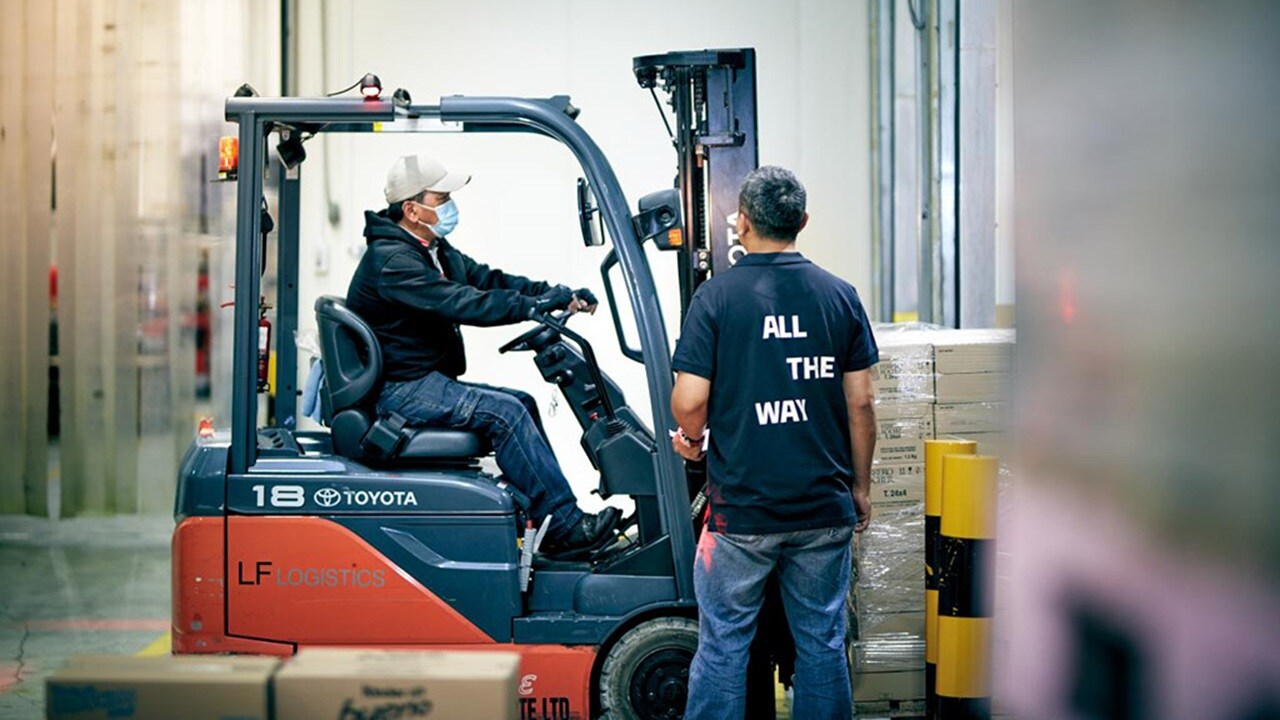
A new source of value: resilience, continuity and trust
Integrating agility and efficiency shifts the source of value in the supply chain. The focus moves beyond optimizing cost under ideal conditions and toward the ability to sustain operations consistently as conditions change. Performance is no longer defined only by efficiency, but by how reliably the business can continue to operate despite disruption.
This shift is already visible across industries. In Latin America, resilience has become a strategic priority as supply chains face increasing exposure to geopolitical shifts, regulatory changes, and climate-related disruptions. As highlighted in a recent research in partnership with FT Longitude, these dynamics are driving companies to rethink logistics not only in terms of cost, but as a core capability to ensure continuity, visibility and adaptability across the end-to-end flow. Rather than eliminating complexity, the focus is on managing it more effectively, building supply chains that can sustain performance even as conditions evolve.

The challenge for supply chains today is no longer limited to achieving efficiency, but to ensuring that efficiency is embedded within a system capable of adapting to constant change. In environments defined by structural volatility, particularly in Latin America, models built only for stability tend to lose effectiveness. By contrast, supply chains that integrate agility alongside efficiency are better positioned to sustain performance, maintain continuity, and support business growth over time.
In this context, competitiveness is no longer determined by how optimized a supply chain is under ideal conditions, but by how consistently it can perform as conditions evolve. The ability to adapt, maintain flow and respond with coordination becomes a fundamental advantage. As supply chains continue to operate in increasingly complex environments, the focus shifts from perfecting the plan to ensuring the business keeps moving, reliably, predictably, and with confidence.
Ocean updates
| Trade lane | Comments |
|---|---|
|
Trade lane
North America and Intra-America to East Coast of South America
|
Comments
We are pleased to inform that UCLA service will begin calling Itajai. The first call will be with Maersk Chambal/618, ETA on June 5. Itajai will serve as one more alternative for the southern ports. The updated service rotation will be :
Veracruz > Altamira > Houston > Cartagena > Santos (sb) > itapoa > Paranagua > Itajai > Santos > Rio de Janeiro > Cartagena |
Main port status
Central America, Andina and the Caribbean Sea Area: Operations remain stable throughout April and May, with key ports operating under normal conditions. Terminals such as Cartagena, Puerto Moín, Puerto Barrios, Manzanillo Panama, Santo Tomás de Castilla, Altamira, Vera Cruz and Freeport Bahamas continue to operate without major disruptions. Yard occupancy levels remain controlled, vessel berthing windows are largely respected, and gate performance remains consistent. Minor, localized delays continue to occur on a punctual basis, generally below one day, but without broader impact on network reliability. Cargo flows remain steady, supported by regular weekly services and feeder connections, ensuring predictable transit times across the region.
East Coast South America Area: Port operations remain generally stable, with most terminals operating within expected service windows. Key ports such as Pecem, Santos, Rio de Janeiro, Buenos Aires and Montevideo continue to show steady performance. Some locations experience occasional operational constraints related to yard utilization and equipment availability, which may result in short, intermittent delays of up to two days. Mitigation measures remain in place, and performance continues to be closely monitored. Overall, cargo flows and vessel connections remain aligned with planned schedules, supporting regular import and export movements for agricultural and industrial cargoes.
West Coast South America Area: Operations remain largely consistent throughout the month, with ports such as Callao, Guayaquil, San Antonio and Valparaíso operating under normal conditions. Yard occupancy remains manageable, and berth productivity continues within expected ranges. Localized pressure persists in some corridors due to high cargo volumes and seasonal demand, resulting in isolated increases in vessel waiting times. However, these remain punctual and do not indicate systemic congestion. Connectivity across north–south and transpacific services remains stable, supporting reliable cargo flows for both dry and refrigerated shipments.
| 1-3 Days | 4 - 7 days | |
|---|---|---|
|
Latin America
|
1-3 Days
Santos BTP,
Paranagua,
Buenos Aires
|
4 - 7 days
Itapoa
|
|
Rest of World
|
1-3 Days
Charleston,
Savannah,
Houston BP,
Houston BC
|
4 - 7 days
|
Highlights
Maersk Expands Brazil Footprint with Additional Depots in Rio Grande and Paranagua
Maersk is expanding its logistics network in Southern Brazil with new depot investments in Rio Grande and Paranaguá. The facilities strengthen connectivity to key export corridors and ports, increase capacity for dry and refrigerated cargo, and support faster inland container flows. The expansion reinforces Maersk’s long term commitment to enabling integrated, end to end logistics solutions for customers across Brazil’s major trade sectors.
Learn more from the global Maersk team
Learn what’s happening in our regions by reading our Market Updates by region.
Europe
North America
Asia Pacific
Be sure to visit our “Insights” pages where we explore the latest trends in supply chain digitalisation, sustainability, growth, resilience, and integrated logistics.


