
 LinkedIn
 WeChat


Global supply chains continue to adapt as businesses navigate evolving trade patterns, shifting business activities, and changing regulatory requirements. Across Asia Pacific, manufacturing growth, regional connectivity, and ongoing investment are supporting trade activity, while operational challenges and policy developments continue to influence logistics planning.
In this update, we highlight key developments across ocean, air, inland, and trade environments, including network adjustments, changing demand patterns, and the growing importance of supply chain visibility and flexibility.
Ocean Market Update
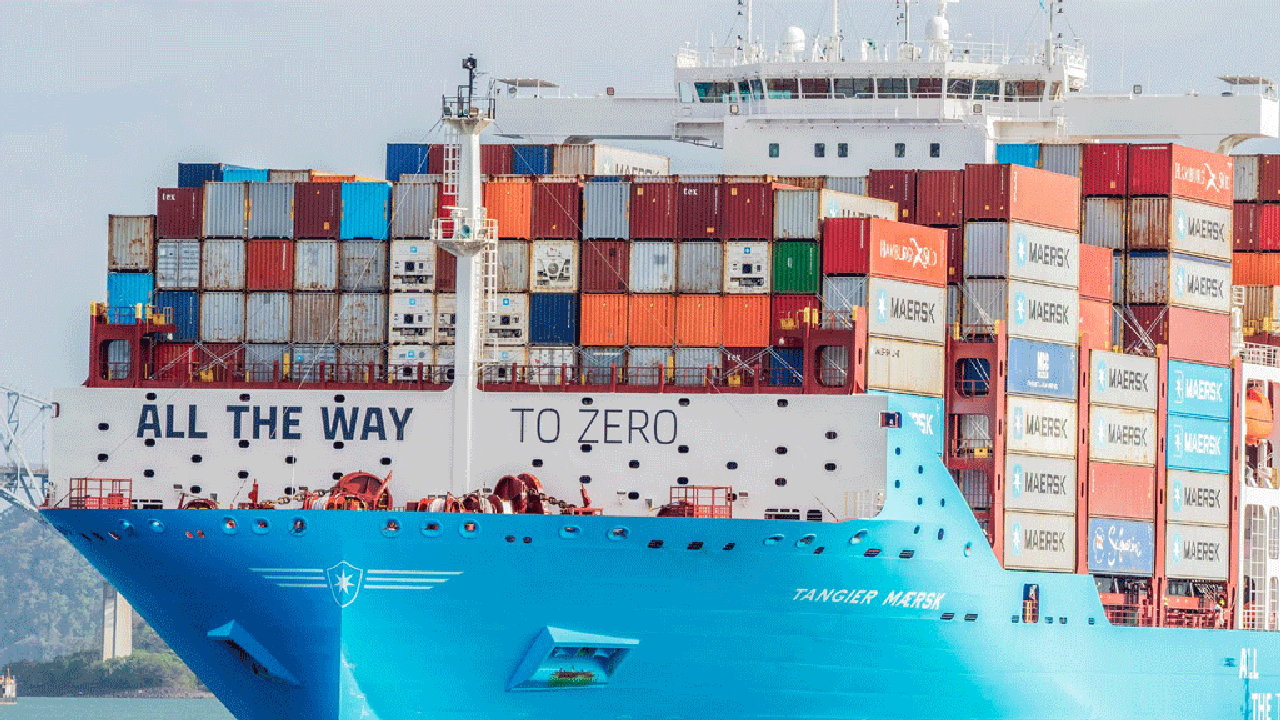
Ocean Networks Continue to Adapt to Evolving Market Conditions
Ocean markets across Asia Pacific continue to adjust as trade flows and operational conditions evolve throughout the seasonal cycle Customers are navigating a dynamic environment where supply chain planning, visibility, and flexibility remain important factors in maintaining reliable cargo flows.
Maersk continues to closely monitor ongoing security situation in and around the Middle East. The safety of seafarers, vessels, and customers’ cargo remains the highest priority, with Maersk continuing to assess developments and work closely with relevant security partners. At this stage, customers will be kept informed of any changes that may impact network operations, services, or routing.
Across Asia Pacific trade lanes, network planning continues to respond to changing market requirements and customer needs. As conditions evolve, Maersk remains focused on maintaining operational flexibility and supporting customers with the latest information on service updates, routing adjustments, and potential impacts to cargo flows.
Peak Season Activity Becomes More Visible Across Certain Trades
As Asia Pacific markets move into the traditional peak season period, seasonal activities are becoming increasingly visible across certain trade lanes. In Oceania-related trades, retailers and importers are preparing for year-end retail season , contributing to earlier booking activity and increased focus on shipment and booking arrangement.
Across the region, conditions continue to vary by market, with customers placing greater emphasis on proactive shipment planning, schedule reliability, and supply chain visibility as they manage evolving conditions.
Weather Conditions Require Continued Operational Agility
Seasonal weather conditions remain a factor influencing ocean operations across Asia Pacific, particularly during periods of increased typhoon activity. Weather-related events may contribute to temporary port restrictions, schedule adjustments, and potential delays on affected routes.
Maersk continues to implement contingency measures where required to support network continuity and minimise disruption. Customers are encouraged to maintain visibility of shipment plans and stay informed through Maersk operational updates and Maersk.com for the latest information on service changes and potential impacts.
Air Freight Market Update
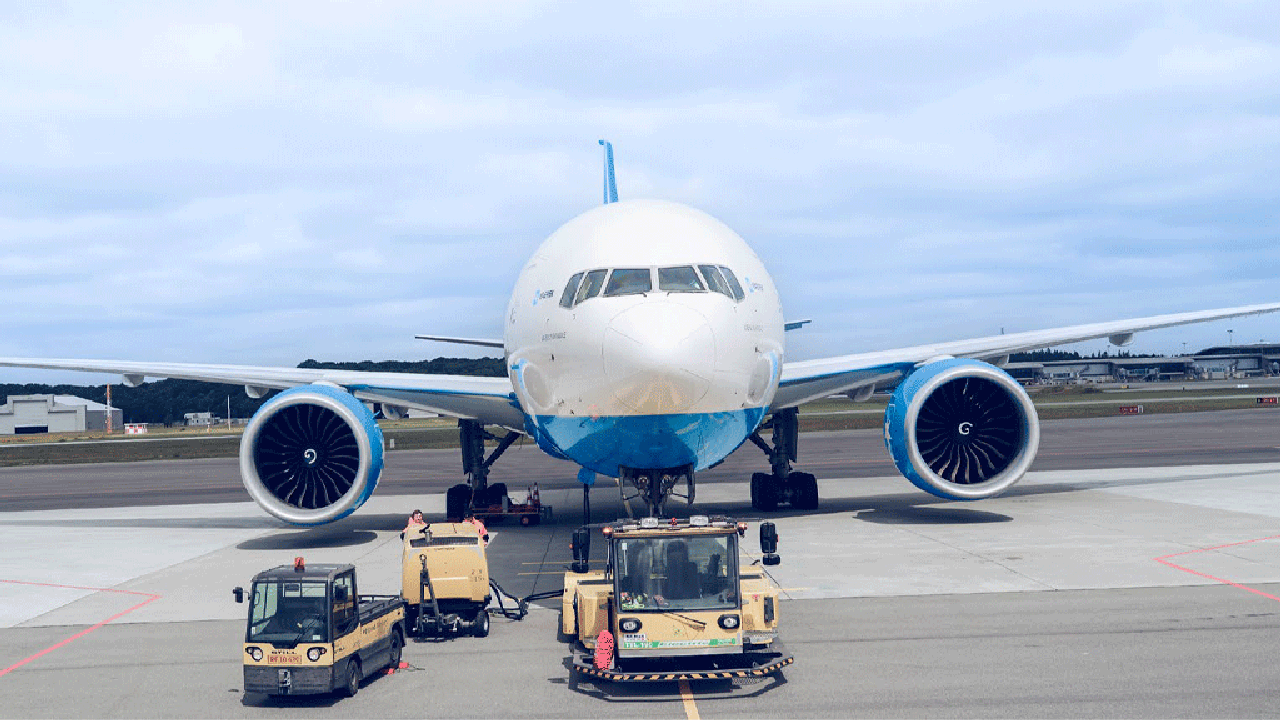
Air Freight Activity Adjusts Following Earlier Front-Loading
Shipment activity across Asia Pacific air freight markets continues to adjust following stronger activity earlier in the year. While some sectors continue to support cargo flows, overall market conditions are showing signs of normalisation as businesses adjust shipment timing and inventory strategies.
Earlier shipments ahead of new low-value import regulations temporarily increased cargo activity into Europe. The temporary increase in shipments ahead of the implementation of new customs requirements has now eased, with activity returning to more typical patterns.
Technology Sector Continues to Drive Air Freight Activity
Technology-related supply chains continue to be an important contributor to Asia Pacific air freight activity, particularly across high-value and time-sensitive commodities such as electronics and semiconductor-related goods.
Maersk continues to strengthen its engagement with customers in these segments. However, some technology-related supply chains have moderated slightly in line with typical seasonal trends during the third quarter.
As customers continue to manage rapidly evolving technology supply chains, air freight remains an important solution for supporting speed, inventory management, and supply chain responsiveness.
Changing Supply Chains Create New Cargo Flows
Manufacturing and sourcing strategies across Asia Pacific continue to evolve as businesses expand production footprints across multiple locations. This is contributing to more complex cargo flows and a growing need for logistics solutions that connect diverse production and consumption markets.
Inland Market Update
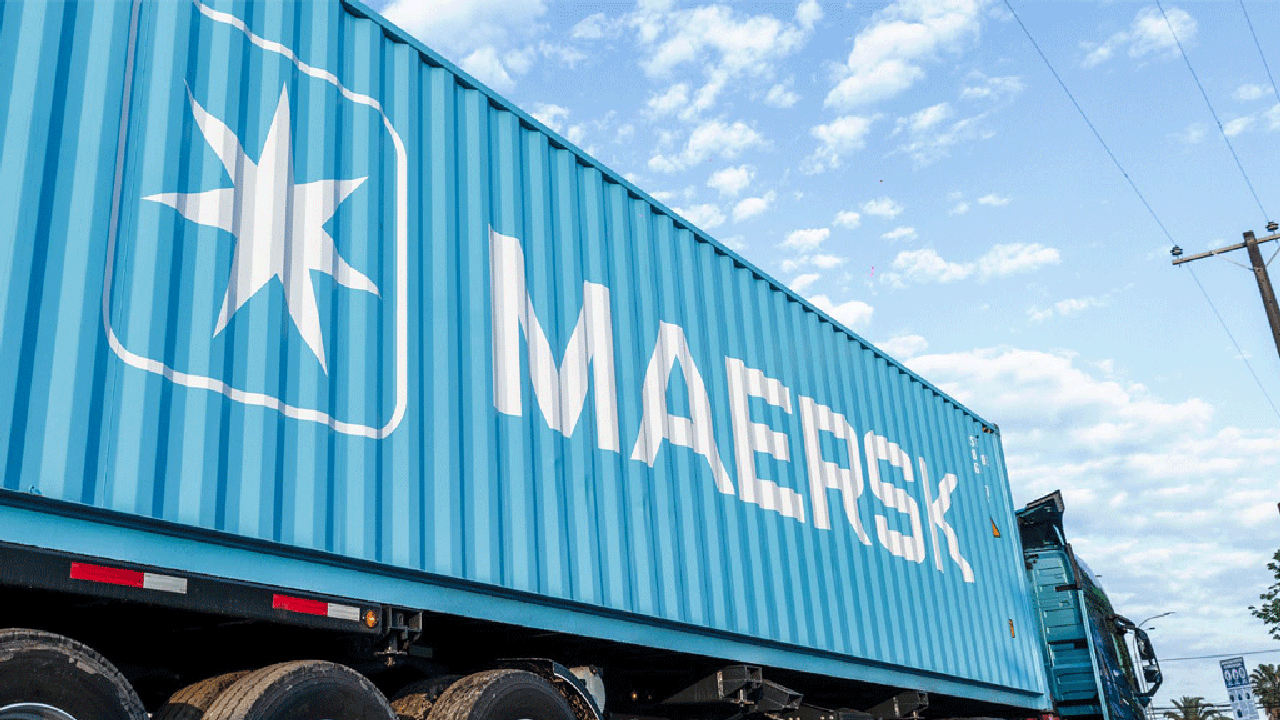
Inland Networks Adapt as Regional Supply Chains Evolve
As manufacturing and sourcing networks across Asia Pacific continue to expand, inland logistics is becoming an increasingly important part of supply chain planning. Businesses are managing more complex origin and destination networks, creating greater interest in reliable transportation options, alternative corridors, and improved connectivity between production centres and key trade gateways.
Across Southeast Asia, ongoing port and depot congestion in markets including Indonesia and the Philippines continues to create challenges for inland operations, affecting equipment availability, truck turnaround times, and shipment planning. These conditions are increasing the importance of proactive planning, supply chain visibility, and flexible inland solutions.
Emerging Regional Corridors Support Faster and More Flexible Connectivity
The continued development of cross-border transport corridors is creating new opportunities for customers seeking greater supply chain flexibility across Asia.
In the Mekong area, integrated road and rail solutions are supporting stronger connectivity between Southeast Asia and China. The China–Laos–Thailand railway corridor continues to provide an alternative transportation option for selected cargo flows, including industrial goods, automotive components, electronics, consumer products, and agricultural commodities. By connecting inland production centres with regional markets, these multimodal solutions can help customers diversify transportation options and improve access to key trade routes.
Agricultural exports from Cambodia are also benefiting from expanding regional connectivity. New cross-border solutions linking Cambodia with Laos and onward to China are supporting faster movement of temperature-controlled cargo, including commodities such as durian and longan, while providing additional options for emerging production origins in the region.
Cross-border trucking networks across Vietnam, Cambodia, Laos, and neighbouring markets continue to develop as customers look for more seamless regional transportation solutions. Integrated road solutions can help simplify cross-border movements by reducing handling requirements and supporting more efficient connections between factories, ports, and inland markets.
Weather Conditions Add Short-Term Operational Pressure
Seasonal weather events across parts of Asia have continued to create short-term impacts on inland logistics operations, affecting transportation operations, port connectivity, and equipment availability in some areas.
While these disruptions are often temporary, they highlight the importance of maintaining visibility across supply chains and allowing sufficient planning time for inland transportation requirements. Customers can benefit from reviewing contingency options and maintaining flexibility during periods of operational disruption.
Trade Environment Update
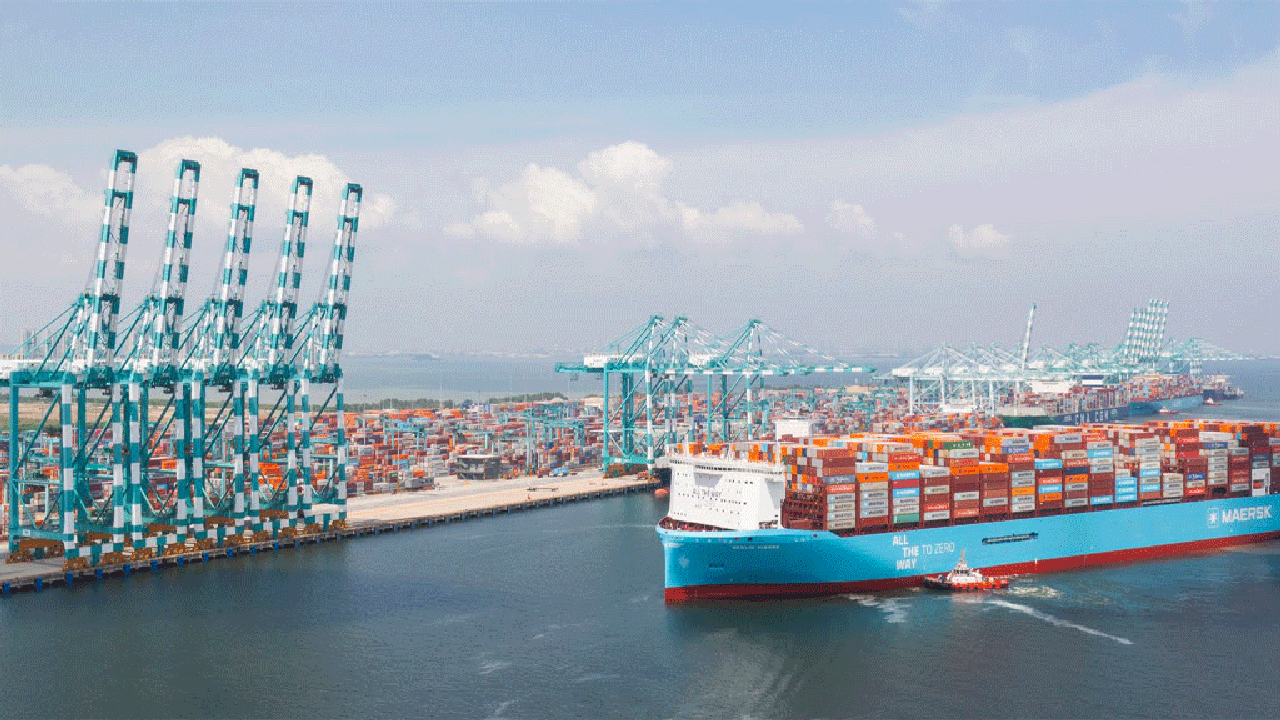
Businesses Adapt to Evolving Trade Requirements
Trade conditions across Asia Pacific continue to evolve as businesses navigate changing tariff policies, regulatory requirements, and increased focus on supply chain transparency. Governments across key markets are strengthening controls around product origin, responsible sourcing, and import compliance, increasing the importance of accurate documentation and supplier visibility.
For businesses trading with India, recent updates to the Foreign Trade Policy introduce a prohibition on the import of goods produced or manufactured using forced labour. The regulation is expected to take effect from August 2026, while further details regarding affected products and implementation measures are expected to be clarified by the relevant authorities.
More broadly, evolving trade requirements across Asia Pacific are encouraging businesses to review sourcing strategies, strengthen compliance processes, and improve visibility across supplier networks. Companies are increasingly focusing on understanding their supply chain footprint and maintaining accurate product and origin information to support cross-border trade.
As businesses continue to adapt to shifting trade conditions, supply chain flexibility and resilience remain important considerations. Ongoing investment in regional manufacturing capacity and connectivity is supporting more diversified supply chains, while customers continue to prioritise visibility and proactive planning to manage changing requirements.
Major Ports Update
Vessel Waiting time indicator:
| Trade | Less than 1 day | 1-3 days | More than 3 days |
|---|---|---|---|
|
Trade
Asia Ports
|
Less than 1 day
Busan, Dalian, Xingang, Xiamen, Nansha, Hong Kong, Tanjung Pelepas, Singapore, Laem Chabang, Vung Tau, Haiphong, Jakarta, Semarang, Brisbane, Sydney, Aukland, Melbourne, Tauranga |
1-3 days
Qingdao, Ningbo, Yantian, Shekou, Ho Chi Min, Port Klang, Chittagong
|
More than 3 days
Shanghai, Manila
|
|
Trade
Rest of World
|
Less than 1 day
Bremerhaven, Rotterdam, Valencia, Koper, Rijeka, Apapa, Onne, lome, Zanzibar, Pointe Noire, Cape Town, Maputo, Oakland, Los Angeles, Baltimore, Charleston, Miami, Newark, Savannah, Balboa, Lazaro Cardenas |
1-3 days
Port Louis, Dar es Salaam
|
More than 3 days
Durban, Beira, Conakry, Tema, Abidjan
|
Remark: The above information is correct to the best of our knowledge as of the date of publication but remains dynamic and subject to change.
Resources and Tools to Support You
Visit our “Insights” pages where we explore the latest trends in supply chain digitization, sustainability, growth, resilience, and integrated logistics.
Learn what’s happening in our regions by reading our Maersk Europe, North America, and Latin America updates.
Do you find this market update useful? If you haven’t subscribed to Maersk Asia Pacific Monthly Update yet, click the link below and stay posted!
Subscribe to Asia Pacific Monthly Updates
We value your business and welcome your feedback. Should you have any questions on optimizing your cargo flows, please contact your local Maersk professional.


