 LinkedIn
 WeChat

Today, the global shipping industry is once again facing complications from the escalating Middle East tensions, conflicts, disruptions, and persistent political threats. These have, in turn, triggered fresh waves of shipping rerouting, war risk cancellations by major Property and Indemnity clubs, and insurance premium spikes that have tripled or quadrupled in high-risk corridors.
Standard marine policies still exclude war perils, so shippers who thought they were covered are now staring at gaps, especially when cargo leaves the water and goes on land.
In this environment, war risk coverage isn’t a luxury; it’s the difference between business continuity and catastrophic uninsured losses. But the real story goes deeper: the secondary effects of these maritime disruptions are creating onshore storage risks that are driving a surge in demand for specialized port and warehouse insurance.
Understanding war risk coverage in today’s volatile world
Standard hull and cargo insurance covers everyday perils like storms or collisions. War risk policies step in for the exclusions: damage from war, hostile acts, mines, terrorism, strikes, riots, and civil commotion.
In 2026, war risk has become an issue for any vessel transiting high-risk zones. Requests for insurances premium have surged dramatically—sometimes over 1,000% in Gulf transits—yet coverage is what keeps trade moving when governments and insurers might pull back. Without it, vessels sit idle, and global trade grinds down.
How today’s conflicts are jamming supply chains
The playbook is familiar but more intense this year: Houthi activity, Hormuz closures, and rerouting around the Cape of Good Hope are adding 10–14+ days to Asia-Europe and other lanes. Carriers have suspended services, introduced massive conflict surcharges, and left ports under pressure.
The result? Bottlenecks everywhere, from Mediterranean hubs to major gateways like Rotterdam and Singapore. Just-in-time inventory has shifted to “just-in-case,” with goods piling up onshore.
This is where it is problematic for warehouses and ports, and where two scenarios perfectly illustrate the evolving risks.
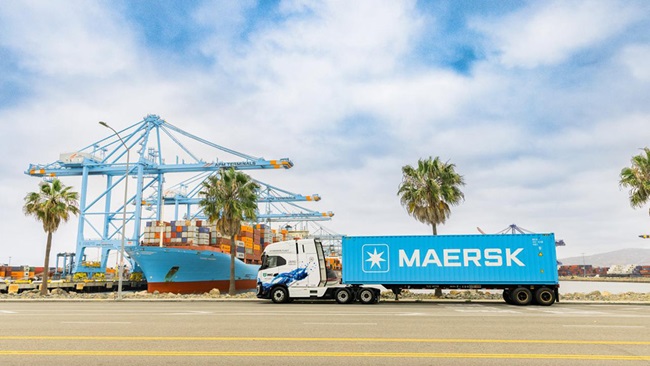
- Scenario 1: A company is prepared to divert cargo via an alternative ocean route to keep goods moving. The ocean leg is covered under enhanced war risk insurance. However, once the containers arrive on land for the final inland leg, the standard war risk stopped and there is simply no automatic extension for land movements. This highlights a critical point in 2026: war risk isn’t just for ocean movements anymore. Land-based transit—trucks, rail, or intermodal—now carries its own geopolitical exposure, especially with nearshoring, rerouting, and spillover risks. Market appetite for inland war risk coverage is diverging sharply from ocean: pricing is higher, capacity tighter, and underwriters are far more selective. Businesses that assume their marine policy “follows the cargo” are exposed. Comprehensive, multi-modal insurance that explicitly bridges ocean-to-inland is now essential to unlock these contingency plans.
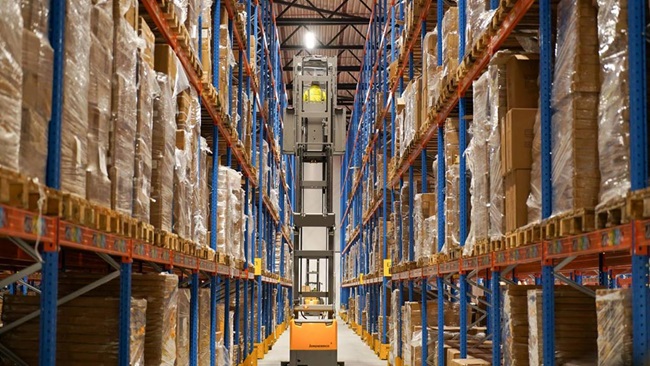
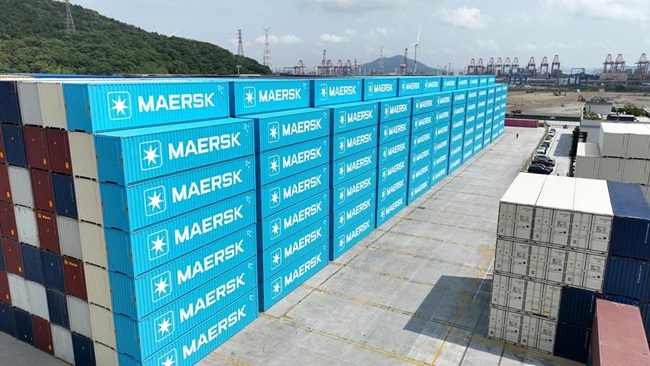
- Scenario 2: A company shipment is forced back to the original port due to route cancellations. The containers are restuffed, then stored indefinitely in port-adjacent warehouses, and temporary facilities are created purely to deal with the crisis. No one can predict how long the goods would sit there. Weeks? Months? Standard cargo policies often limit storage duration or exclude crisis-driven temporary locations. Shippers quickly realized they need separate storage insurance—all-risk or named-peril policies tailored to prolonged holding periods, unknown durations, and non-standard warehouse conditions. Risks skyrocket deterioration of perishables, theft in congested yards, fire hazards in overcrowded facilities, and depreciation of time-sensitive goods.
These aren’t theoretical risks. Geopolitical rerouting is turning ports and warehouses into de facto long-term storage hubs, amplifying physical damage, pilferage, obsolescence, and business interruption exposures.
Why insurance demand at ports and warehouses is surging
The combination of war-driven shipping chaos is augmenting demand for:
- War risk extensions that go beyond waterborne cargo;
- Dedicated storage and warehouse cover for temporary, crisis-induced locations;
- Supply chain and political risk policies that address delays, detentions, and inland legs;
- Enhanced port liability and multi-modal solutions;
Market observers are seeing a clear uptake, especially as businesses reassess exposures in an era where conflicts don’t stop at the dock. Forward-thinking teams are bundling war risk with cyber, political risk, and resilience products—recognizing that hybrid threats compound storage vulnerabilities.
The strategic imperative for 2026 and beyond
War risk insurance coverage, once niche, is now a core resilience tool. But the secondary effects—storage risks at ports and warehouses, plus the growing need for inland/land coverage—are forcing a fundamental rethink of insurance strategies.
The lessons from these real scenarios are clear:
- Review your policies against current conflict zones.
- Model multi-modal scenarios, including inland legs, and secure bridging coverage.
- Add flexible storage extensions for unknown durations and temporary facilities.
- Partner with specialist brokers who understand diverging market appetites for ocean vs. land risks.
In a world where geopolitics can rewrite trade routes overnight, proactive insurance isn’t just protection—it’s a competitive edge that keeps your supply chain moving when others stall.
What challenges are you seeing in your own operations right now? Have war risk gaps, or unexpected storage needs, disrupted your plans? Connect with us if you’re navigating these issues and want to discuss solutions.
Don’t miss the predicted trends for 2026 for cargo risk coverage here.
Transportation risks are always a possibility, so it is vital to partner with a logistics provider that can support risk management solutions to help businesses mitigate real issues across transportation.
Be ready for resilience to go all the way! Discover more with Maersk Cargo Risk Management and read more on similar logistics trends and insights on Maersk Logistics Insights.