
 LinkedIn
 WeChat
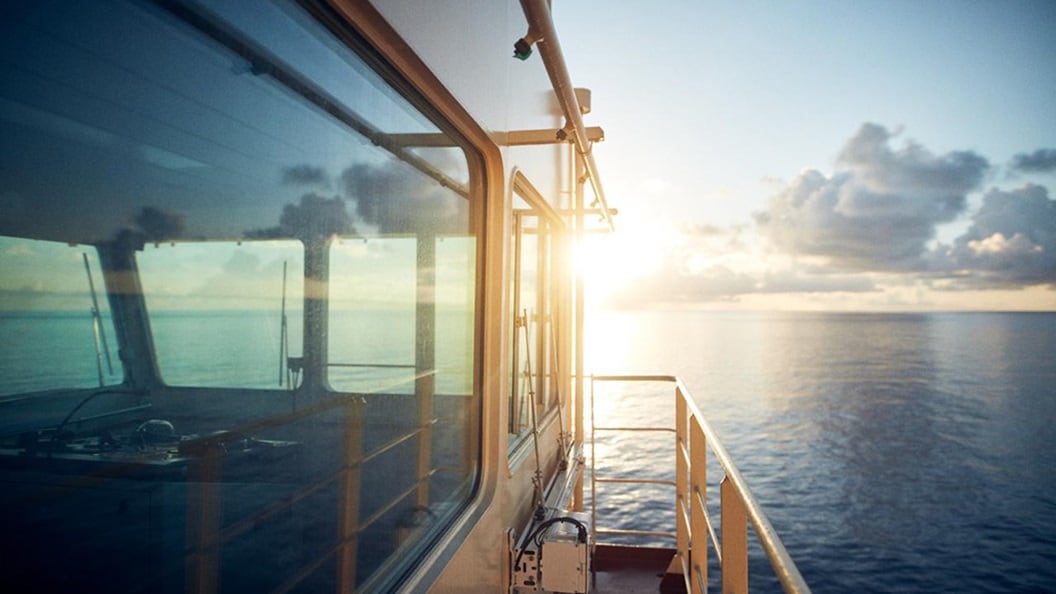
Global trade is in an era defined more by uncertainty than stability. Tariffs, evolving regulations, geopolitical unrest, and even the weather continue to reshape supply chains, creating a landscape in which agility is no longer optional – it’s the foundation for resilience.
How shippers are rewriting their playbooks for an agile ocean strategy
- Designing networks for flexibility
- Prioritising reliability
- Strengthening risk management and protection
- Leveraging integrated logistics
- Harnessing visibility and AI
To stay agile, we need supply chains designed around choice rather than rigid pathways. More shippers are moving away from linear, single threaded sourcing models and towards diversified networks. Multi-origin, multi-port strategies give you the ability to shift cargo across gateways, routings and modes as conditions change — while tapping into a wider pool of available capacity.
This same mindset extends to broader geographic diversification: sourcing from multiple markets, nearshoring to shorten supply lines, or regionalising production to stay closer to key consumers. Together, these shifts build a supply chain with multiple options instead of single point dependencies, helping you stay agile, reduce exposure to vulnerabilities, and keep cargo moving even when costly disruption occurs.
Reliability is the prerequisite—and the quiet engine—behind true supply chain agility. It can be challenging to pivot, reroute, or rebalance inventory when the underlying transportation flow is unpredictable. Strong schedule integrity enables earlier decisions, reduces the need for excess buffers, and frees capital that would otherwise sit in safety stock. It also gives your teams the confidence to act proactively rather than reactively.
Maersk’s East-West Network is built with reliability at its core. Simplified rotations, improved port productivity and stronger schedule adherence work together to create dependable lead times. That consistency becomes the platform that allows you to operate with agility when you need it most.
Agility isn’t just about reacting quickly; it’s about being prepared. Effective risk management starts with visibility and insight—understanding where risk exists across the supply chain so informed decisions can be made before disruption occurs. As volatility persists, you can reassess how you identify and manage both operational and financial exposure, recognizing that execution resilience and risk protection need to work hand in hand.
This is where financial protection plays a complementary role alongside operational insight. Solutions such as Maersk Cargo Insurance (Shipper’s Interest) and Value Protect are designed to help mitigate financial impact in events like General Average declarations, supporting faster resolution and reducing unexpected exposure when disruptions occur.
Integrated logistics is becoming a powerful driver of agility. When ocean, customs and inland services function as one connected ecosystem, you gain stronger visibility and can respond faster to change. Integrated setups reduce handoffs, streamline decisions and speed up exception handling. Whether you need to reroute containers inland, accelerate customs processes or shift cargo to an alternative port, having an end-to-end partner helps you act quickly and confidently. In a volatile environment, this level of coordination becomes a force multiplier — turning integrated logistics into a strategic advantage that supports long-term resilience.
As an example, when a customer experienced unexpected shifts in market conditions last year, their integrated setup—order management through origin consolidation, Maersk ocean services and equipment, U.S. ground transport, and distribution centres—allowed them to accelerate inbound flows and make rapid adjustments across the network, keeping inventory moving despite disruption.
Supply chain visibility is the top priority in logistics and inventory management for 2026, according to an APQC industry report. One of the most powerful enablers of agility is having the visibility and intelligence needed to respond to disruption before it escalates. Live tracking, predictive analytics and AI-driven insights give you the ability to see disruption early and act before impact spreads. These tools transform data into actionable signals, helping you reroute shipments, adjust inventory positions, or switch modes with greater speed and accuracy.
Maersk Visibility Studio provides real-time tracking, plus predictive insights on estimated arrivals, port congestion and detention and demurrage that helps you optimize cost, performance, and lead-time. Maersk Trade & Tariff Studio provides another layer of strategic control by simplifying compliance and helping you assess the cost and regulatory impact of alternative routing. Platforms like these create a digital backbone that lets you plan smarter, respond faster, and move with confidence even in moments of uncertainty.
Agility: a necessity for long-term resilience
The global supply chain environment is constantly evolving. Geopolitical shifts, regulatory changes and weather-related events are now part of everyday planning. Change is inevitable — but with the right capabilities in place, you can pivot quickly and turn volatility into an advantage. By investing in strategies that help you anticipate, adapt and act decisively, you build a supply chain that can flex, redirect, and recover no matter what comes next.
Want to add more agility to your ocean planning? With instability on the rise—and disruptions becoming more frequent—building a resilient supply chain has never been more critical. Find out how we can help.


