
 LinkedIn
 WeChat
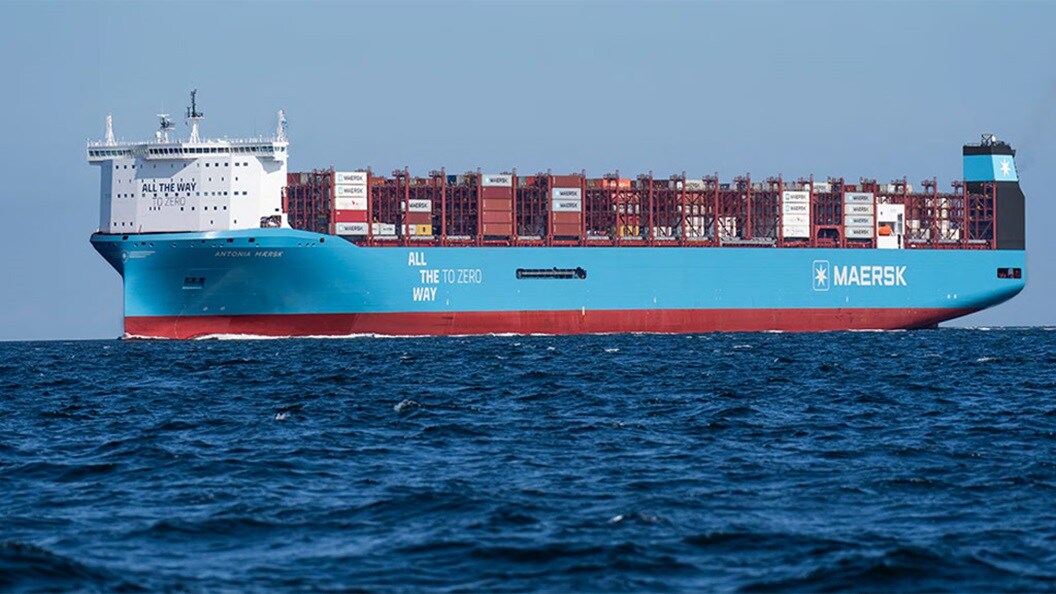

Asia-Pacific supply chains continue to operate in a dynamic environment shaped by geopolitical developments, evolving trade conditions, and shifting logistics networks. Disruptions linked to the Middle East conflict continue to impact global ocean and air flows, while inland operations and cross-border connectivity remain critical to cargo movement.
At the same time, regional trade activity remains resilient, particularly across intra-Asia corridors, making flexibility, visibility, and integrated logistics solutions essential.
Ocean Market Update
Asia-Pacific ocean freight markets remain under heightened uncertainty, driven primarily by security conditions in the Middle East. Recent developments continue to affect key trade corridors and require ongoing network adjustments.
At a recent online event, Chief Commercial Officer Karsten Kildahl discussed the ripple effects of the conflict across global supply chains, highlighting the increasing complexity customers continue to face. While intra-Asia trade remains relatively stable, long-haul planning continues to require resilience, flexibility, and proactive coordination.
Middle East Disruptions Drive Network Uncertainty
Ongoing instability across the Red Sea and Gulf region continues to impact global shipping networks. As highlighted in Maersk’s latest advisory on the Middle East situation, we have reversed the gradual return to Suez Canal transits given recent developments, with vessels on affected trade lanes continuing to reroute via the Cape of Good Hope.
Maersk continues to support cargo movement across key destinations through a range of alternative routing solutions and gateway options. Recent enhancements include expanded access via Khor Fakkan with rail connections into Jebel Ali, as well as Jeddah-supported trucking solutions into Dammam and Riyadh. While certain specialised cargo categories remain subject to operational review, we remain open for business and continue to work closely with customers to maintain cargo continuity across priority markets. Customers should remain flexible on routing and scheduling as conditions evolve.
Network Impacts Continue
While availability across most Asia-Pacific corridors remains sufficient, the ongoing geopolitical situation in the Middle East continues to create uncertainty across the wider global network. In particular, the gradual return to Suez Canal transits has been reversed in light of recent developments, reinforcing the need for continued network flexibility and contingency planning across long-haul trade lanes. Customers are encouraged to plan ahead and remain agile as conditions evolve.
Intra-Asia Trade Continues to Provide Stability
Amid ongoing disruption on long-haul corridors, intra-Asia trade continues to offer a degree of resilience. According to industry data, activity levels remain supported by regional sourcing strategies, expanding consumer markets, and ongoing diversification of manufacturing footprints across Southeast Asia and South Asia.
According to industry reports, trade flows between China, Southeast Asia, and India remain active, with growing connectivity between production hubs and regional distribution markets. This is reinforcing the importance of short-sea services and transshipment hubs in maintaining efficient cargo movement. As supply chains continue to regionalise, customers are increasingly relying on flexible intra-Asia networks to support both replenishment and export strategies.
Supporting Customers Through Disruption
Maersk continues to take proactive measures to support customers and maintain cargo continuity where possible. Alternative gateways such as Jeddah, Salalah, Sohar and Khor Fakkan remain available, while landbridge solutions are being utilised where feasible to provide additional routing resilience.
Network conditions are being continuously assessed, with frequent schedule updates and ETA recalibrations as vessels are rerouted or contingency plans are activated. Customers are encouraged to retain flexibility in routing, scheduling, and contingency planning.
Air Freight Market Update
Air freight markets across Asia-Pacific remain stable overall, although operating conditions have become more complex as developments in the Middle East continue to affect airline operations, energy markets, and global aviation networks. Adjustments to selected airspaces and carrier flight paths are affecting certain long-haul corridors, particularly those connecting Asia with Europe and the Middle East, resulting in longer transit times and reduced predictability on selected routes. Against this backdrop, conditions remain fluid, and customers may continue to experience fluctuations in routing and transit times as the situation continues to evolve.
Industry bodies such as the International Air Transport Association (IATA) have noted that geopolitical developments, including the Middle East conflict, are expected to influence global air cargo performance and supply chain stability in the near term.
For customers, this means shipments on impacted lanes may require more flexible planning, with routing adjustments and transit variability becoming more common as conditions evolve.
Asia-Pacific Trade Remains Resilient
Despite these disruptions, Asia-Pacific continues to play a central role in global air cargo markets. Regional trade remains supported by strong manufacturing output, cross-border e-commerce, and the continued movement of high-value goods.
According to IATA, Asia-Pacific carriers recorded year-on-year demand growth at the start of 2026, reflecting the region’s ongoing importance as a key origin for global air freight. This trend is expected to continue, with Asia-Pacific forecast to contribute significantly to overall air cargo growth.
This resilience is helping to offset some of the disruption seen on long-haul corridors, particularly as intra-Asia and regional trade flows remain stable.
Operational Considerations
While air cargo conditions continue to recover, availability remains uneven across trade lanes, particularly where geopolitical developments are affecting flight routings and operational efficiency.
As a result, customers may experience variability in available uplift and transit times on selected routes. Maintaining flexibility in planning and allowing for contingencies remains important when managing time-sensitive shipments.
Supporting Customers in a Dynamic Environment
Maersk continues to support customers with flexible air freight solutions designed to adapt to changing market conditions. This includes providing alternative routing options, maintaining close coordination across global networks, and offering end-to-end visibility to help customers manage their cargo flows more effectively.
As the situation evolves, customers are encouraged to stay informed through Maersk’s official updates and maintain close contact with their local representatives to navigate potential disruptions.
Inland Market Update
Inland logistics across Asia-Pacific continues to operate in a complex and evolving environment, shaped by infrastructure constraints, climate-related factors, and shifting trade flows. While trade remains stable in key markets, execution is increasingly dependent on flexibility, multimodal coordination, and strong local connectivity. As supply chains continue to develop, inland transport plays an important role in linking production hubs with ports and end markets.
Recent increases in fuel prices have added pressure to inland transportation costs across the GCA region. The impact is particularly evident in long-haul trucking, where fuel price fluctuations tend to translate into higher cost volatility for the local market.
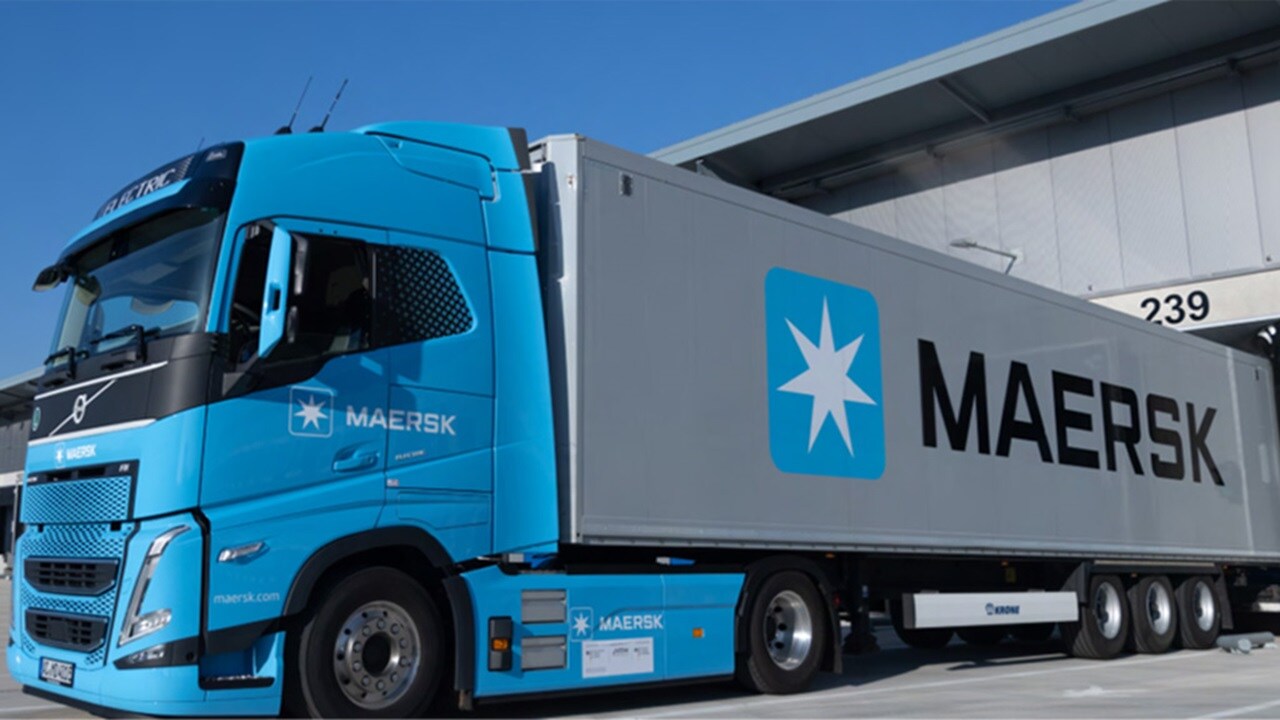
At the same time, electric vehicle (EV) trucking is gaining traction as a more sustainable and cost efficient alternative, particularly during periods of oil price volatility. Maersk GCA First Mile now offers EV haulage services across distances of 150–300 kilometres, helping customers improve cost control while supporting sustainability goals.
Cross-Border Connectivity Gains Importance
As intra-Asia trade continues to expand, the need for efficient cross-border inland transport is increasing. Manufacturing diversification across countries such as China, Vietnam, Thailand, and Malaysia is driving more complex origin–destination pairings, requiring seamless coordination across multiple jurisdictions.
This is placing greater emphasis on integrated cross-border solutions, including streamlined customs processes and improved coordination between trucking and rail services. Reliable inland connectivity is becoming a key enabler for businesses looking to optimise regional supply chains and respond quickly to shifting demand patterns.
Multimodal Solutions Support Greater Flexibility
Customers are increasingly adopting multimodal inland solutions to improve supply chain resilience and manage variability. The combination of road, rail, and short-sea connections enables more flexible routing options, particularly when disruptions affect individual transport modes or corridors.
Rail continues to play a growing role on selected corridors, offering an alternative to road transport for longer-distance inland moves. At the same time, trucking remains essential for first- and last mile connectivity, supporting the need for well-coordinated multimodal networks.
In this dynamic operating environment, close coordination across transport modes and improved cargo visibility are becoming increasingly important. By aligning inland operations more closely with ocean and air freight flows, customers can achieve greater control, responsiveness, and reliability across their supply chains.
Tariff & Trade Update
Trade policy uncertainty continues to influence how Asia-Pacific businesses approach sourcing and market access. Ongoing geopolitical developments and evolving tariff environments are prompting companies to reassess exposure across key global trade lanes.
At the same time, regional trade integration within Asia continues to strengthen. ASEAN remains a key driver of this trend, with combined intra-ASEAN and external trade exceeding USD 3.5 trillion in recent years, reinforcing its role as a hub in both regional and global commerce. For businesses operating across multiple markets, this is increasing the importance of staying ahead of regulatory changes and ensuring compliance across jurisdictions. Maersk continues to support customers with solutions that help navigate evolving trade requirements and maintain continuity across shifting global trade environments.
Maersk Contract Logistics
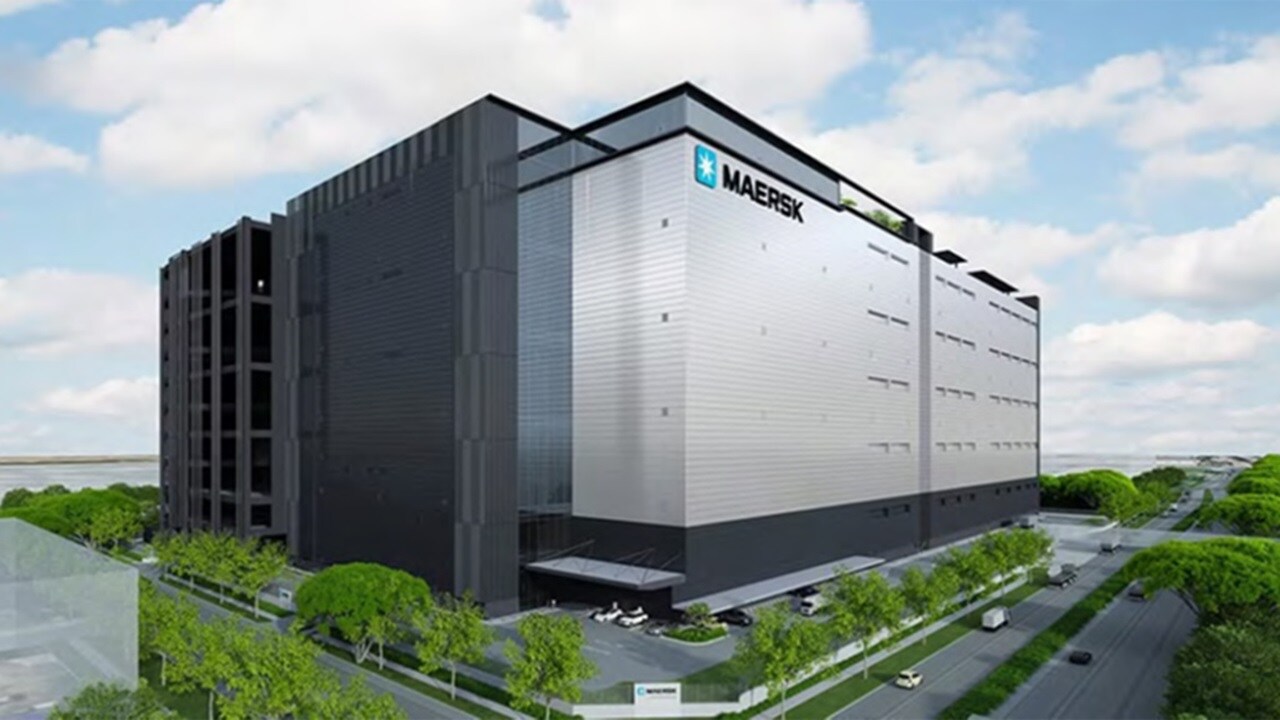
Maersk continues to expand its contract logistics footprint across Asia-Pacific, with a focus on enabling more resilient, scalable, and technology-driven supply chains.
Expanding Global and Regional Capabilities with the new World Gateway II in Singapore
Maersk has recently launched a new fully automated global and regional distribution centre in Singapore, World Gateway II. Spanning approximately 1.1 million square feet, the facility strengthens Maersk’s presence in one of Asia-Pacific’s key logistics hubs and is designed to support both regional distribution and global flows.
Strategically located near Tuas Port and Changi Airport, the site enhances connectivity across ocean and air networks, enabling efficient cargo movement across Asia-Pacific and beyond. It is also positioned alongside Maersk’s existing World Gateway I facility, further reinforcing Singapore’s role as a central node in the company’s regional logistics network.
Automation and Scale to Support Growing Demand
The facility is equipped with advanced automation technologies, including automated storage and retrieval systems, robotic case handling, and autonomous mobile solutions. These capabilities enable faster order processing, improved accuracy, and reduced reliance on manual handling, supporting customers with more consistent and scalable operations.
Designed to serve a wide range of industries — including retail, FMCG, lifestyle, and technology — the site supports both B2B and B2C fulfilment, reflecting the continued growth of e-commerce and omnichannel distribution models across the region.
Enhancing Visibility, Efficiency, and Sustainability
Beyond scale, the facility integrates digital warehouse management systems and end-to-end transport visibility tools, enabling customers to better track inventory and manage flows across complex supply chains. Options of value-added services such as labelling, kitting, and repacking further support customised fulfilment needs.
Sustainability is also a key focus, with the site achieving LEED Platinum and Green Mark Platinum certification. These energy-efficient features support customers looking to reduce their logistics footprint while maintaining operational performance.
Major Ports Update
Vessel Waiting Time Indicator:
| Trade | Less than 1 day | 1-3 days | More than 3 days |
|---|---|---|---|
|
Trade
Asia Ports
|
Less than 1 day
Busan, Dalian, Xingang, Ningbo, Xiamen, Shekou, Yantian, Nansha, Hong Kong, Laem Chabang, Vung Tau, Haiphong, Jakarta, Brisbane, Auckland, Melbourne, Tauranga, Sydney |
1-3 days
Qingdao, Shanghai, Ho Chi Minh, Port Klang, Semarang, Manila, Chittagong
|
More than 3 days
|
|
Trade
Rest of World
|
Less than 1 day
Bremerhaven, Rotterdam, Valencia, Koper, Rijeka, Onne, Lome, Zanzibar, Pointe Noire, Durban, Cape Town, Reunion, Maputo, Oakland, Los Angeles, Prince Rupert, Vancouver, Tacoma, Houston, Norfolk, Baltimore, Charleston, Miami, Newark, Savannah, Balboa, Lazaro Cardenas
|
1-3 days
Tema, Port Louis, Abidjan, Conakry, Dar es Salaam
|
More than 3 days
Beira, Apapa
|
Remark: The above information is correct to the best of our knowledge at the date of publication and remains subject to change. This information is provided for general guidance only and should not be relied upon for operational decision-making without independent verification.
Resources and Tools to Support You
Visit our “Insights” pages where we explore the latest trends in supply chain digitization, sustainability, growth, resilience, and integrated logistics.
Learn what’s happening in our regions by reading our, Global, Europe, North America, IMEA and Latin America updates.
Do you find this market update useful? If you haven’t subscribed to Maersk Asia Pacific Monthly Update yet, click the link below and stay posted!
Subscribe to Asia Pacific Quarterly Updates
We value your business and welcome your feedback. Should you have any questions on optimizing your cargo flows, please contact your local Maersk professional.


