
 LinkedIn
 WeChat


Global growth expectations have softened in recent months as rising energy prices linked to the ongoing geopolitical developments in the Middle East add to inflationary pressures and weigh on economic activity. While higher energy costs continue to present challenges, fiscal support measures are helping to sustain growth in several markets.
Across Asia-Pacific, economic conditions remain relatively resilient, supported by diversified manufacturing bases, continued investment inflows, and strong regional trade connectivity. However, growth trajectories are becoming increasingly uneven across individual economies, reinforcing the importance of agility and close monitoring of market developments.

Ocean Market Update
Asia-Pacific ocean freight markets continue to operate in an environment shaped by geopolitical developments, evolving trade policies, and changing supply chain strategies. While uncertainty remains across several global trade corridors, cargo flows continue to adapt as businesses adjust sourcing, inventory, and logistics planning to manage risk and maintain continuity. The Middle East situation remains highly dynamic, with continued disruption across ocean, landside, and air services, particularly for cargo moving through the Gulf region.
Geopolitical Developments Continue to Influence Global Trade
Recent geopolitical developments have reinforced the importance of resilience and flexibility across global supply chains. Global trade conditions remain highly sensitive to geopolitical developments, particularly where security risks affect key maritime and energy corridors. Maersk’s latest Middle East operational update continues to highlight the need for contingency planning, with affected services still requiring close monitoring and network adjustments. Recent analysis from Sea-Intelligence suggests that global container trades continue to adapt despite these challenges, highlighting the ability of supply chains to adjust to changing operating conditions. As a result, many businesses are taking a longer-term approach by diversifying sourcing locations, reviewing inventory strategies, and building greater flexibility into their transportation networks.
Ocean booking restrictions remain in place for reefer, DG, OOG, in-gauge, and some dry cargo, with the most impacted markets including Iraq, Kuwait, Qatar, Bahrain, the UAE, and parts of Saudi Arabia; however, selected gateways such as Jeddah, King Abdullah, Sohar, Salalah, Aqaba, and Khor Fakkan remain available depending on cargo type.
Early Peak Season Signals Emerge
Market indicators suggest that peak season activity may be commencing earlier than in previous years. China continues to play a central role in global container trade, with exports continuing to grow. Sea-Intelligence has noted elevated container shipping activity and the potential for an earlier onset of peak season conditions.1
While availability remains stable across much of the Asia-Pacific region. Conditions may vary between trades due to evolving network configurations and operational factors. Customers are encouraged to plan bookings in advance where possible and maintain flexibility around sailing options and cargo readiness.
Asia-Pacific Supply Chains Continue to Evolve
Across Asia-Pacific, manufacturing and sourcing strategies continue to diversify, creating increasingly complex supply chain networks across the region. As production footprints expand across multiple markets, businesses are relying on a broader mix of direct services, transshipment hubs, and regional feeder connections to support cargo movement.
In Southeast Asia, ongoing shifts in sourcing towards Mekong markets such as Vietnam, Cambodia, and Thailand continue to influence regional trade patterns. This is supporting increased intra-Asia connectivity, including flows of raw materials and intermediate goods within the region, alongside exports to key markets such as the United States and Europe.
This trend is reinforcing the importance of integrated logistics planning across ocean, inland, and distribution networks. Greater visibility and coordination across supply chain functions can help customers respond more effectively to changing market conditions and shifting demand patterns.
Planning for Continued Market Uncertainty
To maintain cargo flow where feasible, Maersk is using alternative routing, storage-in-transit, and landbridge solutions, with some cargo previously planned via Jeddah now being rerouted through Salalah and Khor Fakkan.
Customers are encouraged to review bookings and charges carefully, plan for possible rerouting, longer transit times, and additional surcharges, and stay closely aligned with their local Maersk representative for shipment-specific guidance.
Air Freight Market Update
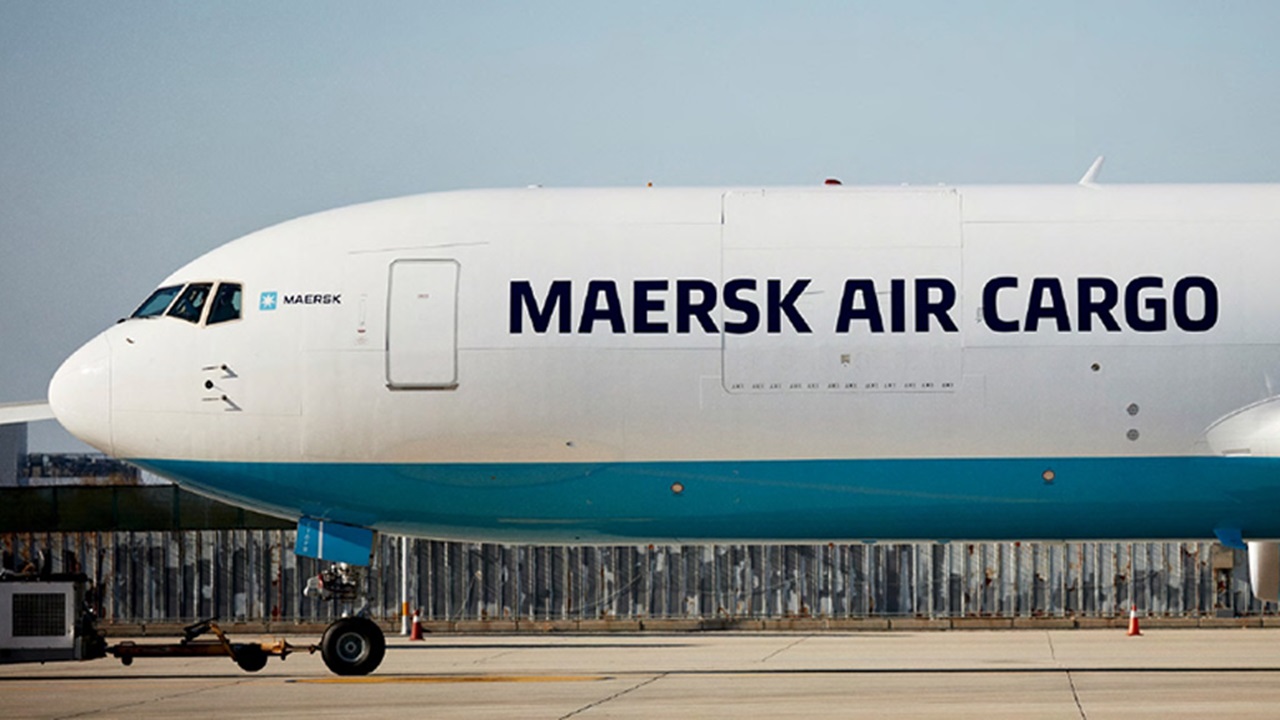
Asia-Pacific air freight markets continue to operate in a dynamic environment shaped by evolving trade patterns, regulatory developments, and changing customer priorities. While operating conditions have stabilised across many key corridors, geopolitical and policy-related developments continue to influence sourcing decisions, procurement strategies, and cargo flows.
Global air cargo conditions have shown signs of recovery in May following adjustment to earlier disruptions linked to developments in the Middle East. Following a temporary decline in March and April, conditions have gradually improved, supported by network adjustments and rerouting measures that have helped maintain connectivity across key trade lanes.
Despite these improvements, conditions may continue to vary across routes depending on network changes and operational requirements. Customers may still experience fluctuations in transit times and available uplift on selected corridors due to evolving operational factors.
Trade Flows Adjust as Customers Reassess Supply Chain Risk
Recent months have seen customers increasingly review sourcing strategies and supply chain exposure in response to changing trade and regulatory environments. In particular, evolving trade policies and customs scrutiny in certain markets are influencing origin selection for some manufacturing sectors, resulting in shifts in cargo flows and procurement activity.
As businesses continue to diversify sourcing locations and build greater resilience into their supply chains, air freight remains an important option for supporting agility, inventory management, and time-sensitive shipments.
Middle East Operations Stabilise but Customer Caution Remains
While geopolitical developments in the Middle East continue to be monitored closely, air freight operations across the region have largely stabilised following earlier disruptions. Services operated by Middle Eastern carriers have resumed and are currently operating with greater consistency, supporting connectivity across key Asia-Europe and Asia-Middle East corridors. Conditions may continue to evolve as the situation develops.
However, the impact on customer behaviour remains evident. Some businesses continue to take a cautious approach to procurement and transportation planning, incorporating additional flexibility into tenders, contract discussions, and carrier selection strategies to help manage potential future disruptions.
Key Trade Lanes Activity
Trades across selected air freight corridors remain active, supported by e-commerce activity, high-value manufacturing, technology-related goods, and ongoing supply chain diversification. Air freight trades into the United States have remained particularly active.
At the same time, customers continue to balance speed, cost, and resilience when selecting transportation solutions. This is reinforcing the importance of flexible air freight options that can adapt to changing market conditions and business requirements.
Inland Market Update
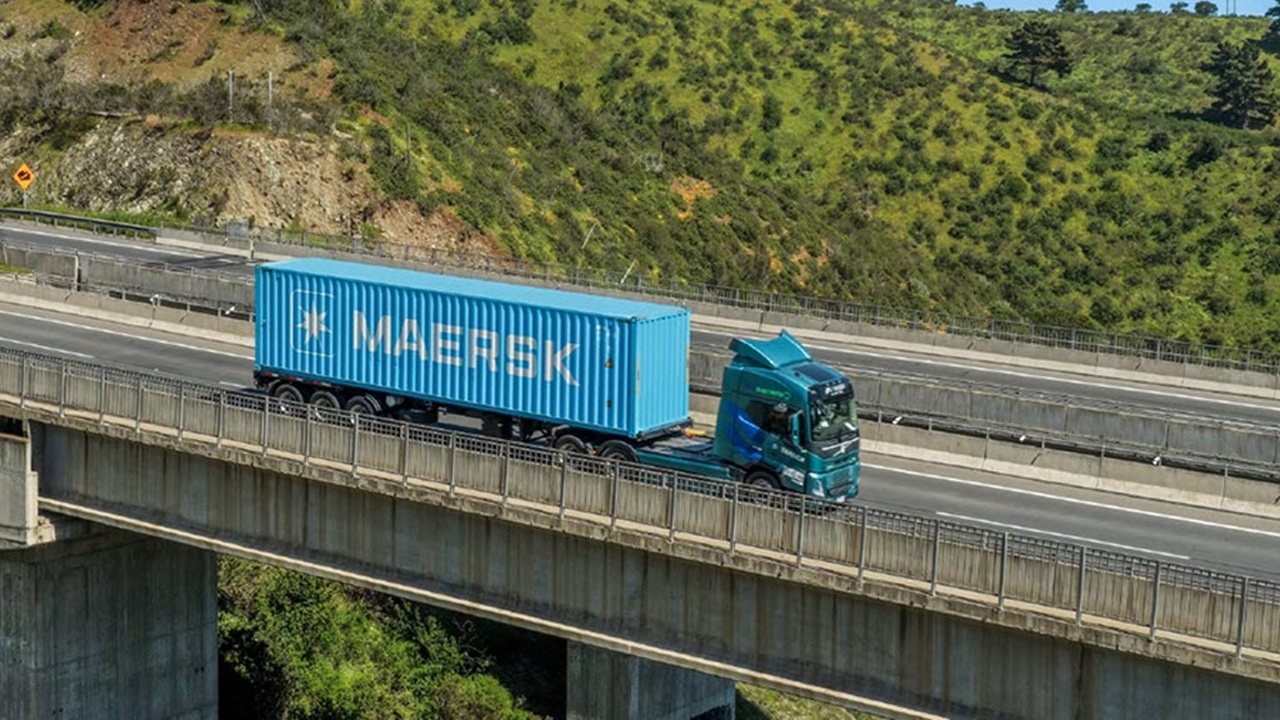
The continued expansion of manufacturing across Southeast Asia is reshaping inland logistics requirements throughout the region. In the Mekong sub-region, cross-border trade flows between countries such as Vietnam, Cambodia, Thailand, and China are becoming increasingly interconnected, reflecting the growing role of the region in regional production and logistics networks. As businesses diversify production footprints across multiple countries, supply chains are becoming increasingly interconnected, creating greater demand for efficient cross-border transportation and multimodal solutions.
In markets such as Vietnam and Cambodia, sustained growth in manufacturing and exports is driving increased movement across regional transport corridors. As customers manage more complex origin and destination networks, inland logistics is becoming an increasingly important enabler of supply chain efficiency and resilience.
Peak Season Activity Adds Operational Pressure
As the global logistics market enters the traditional peak season period, cargo volumes are increasing as many shippers advance shipments in response to evolving market conditions and ongoing uncertainty. Against this backdrop, stronger activity across ocean supply chains is contributing to additional pressure on inland transportation networks.
In some markets, the operational challenges may also apply to trucking and cross-border transportation services. Customers may benefit from planning shipments in advance and maintaining flexibility within their logistics strategies.
Compliance and Visibility Take Centre Stage
Alongside changing trade flows, evolving regulatory requirements are influencing how goods move across borders. Enhanced customs controls and compliance requirements in several markets are placing greater emphasis on transparency, documentation, and end-to-end supply chain visibility.
For customers, this is reinforcing the importance of reliable cross-border processes and greater oversight across increasingly complex supply chains. Visibility and compliance are becoming key components of supply chain resilience, helping businesses navigate regulatory requirements while maintaining operational continuity.
Flexibility Becomes a Competitive Advantage
As ocean schedules, port operations, and transportation networks continue to adjust to changing market conditions, customers are placing greater value on flexibility within their inland logistics operations. Solutions such as buffer storage, multimodal transportation, and integrated planning are helping businesses manage variability and maintain continuity when disruptions occur.
Increasingly, businesses are looking for greater visibility, operational flexibility, and coordinated logistics support across multiple transport modes. As supply chains become more interconnected, the ability to adapt quickly to changing conditions is becoming an important differentiator in maintaining reliable cargo flows.
Tariff & Trade Update
Trade policy developments continue to shape supply chain decisions across Asia-Pacific, with recent tariff measures and regulatory changes influencing shipment timing, sourcing strategies, and regional trade flows.
Tariff Developments Are Driving Changes in Shipment Timing
Recent tariff measures and policy uncertainty have had an influence on shipment planning. In some markets, concerns around potential policy changes may be encouraging adjustments to shipment timing.
These factors may be contributing to short-term fluctuations in shipping patterns across selected trade lanes.
China’s Export Strength Continues to Shape Global Trade Flows
China continues to play an important role in global trade, with exports remaining a key contributor to global container trade activity.
This reflects Asia-Pacific’s continued importance within global supply chains, supported by strong regional connectivity and ongoing expansion of intra-Asia trade flows.
As trade policies continue to evolve, these dynamics highlight the region’s role in supporting global supply chain continuity.
Supply Chain Diversification Remains a Key Trend
Manufacturing and sourcing networks across Asia-Pacific continue to evolve as companies review production footprints and supplier relationships. Rather than relying on a single sourcing location, many businesses are expanding operations across multiple markets to improve flexibility and support long-term growth objectives.
This trend is contributing to increased trade flows within Asia and reinforcing the importance of regional connectivity, cross-border logistics, and integrated supply chain solutions.
Compliance Takes on Greater Strategic Importance
As regulatory requirements become increasingly complex, businesses are placing greater emphasis on customs compliance, origin documentation, and trade transparency. In parts of the Mekong, regulatory scrutiny has increased across areas such as customs classification, valuation, and origin verification. This is reinforcing the importance of accurate documentation and alignment with local regulatory requirements.
Enhanced scrutiny of supply chains in some markets is encouraging companies to review sourcing practices and strengthen governance across their logistics networks.
For customers operating across multiple jurisdictions, maintaining visibility and compliance throughout the supply chain is becoming an increasingly important component of risk management and business continuity planning.
Major Ports Update
Vessel Waiting time indicator:
| Trade | Less than 1 day | 1-3 days | More than 3 days |
|---|---|---|---|
|
Trade
Asia Ports
|
Less than 1 day
Busan, Dalian, Xingang, Xiamen, Shekou, Yantian, Nansha, Hong Kong, Tanjung Pelepas, Singapore, Laem Chabang, Vung Tau, Haiphong, Jakarta, Semarang, Brisbane, Auckland, Melbourne, Tauranga |
1-3 days
Shanghai, Ningbo, Ho Chi Minh, Port Klang, Chittagong, Sydney
|
More than 3 days
Qingdao, Manila
|
|
Trade
Rest of World
|
Less than 1 day
Bremerhaven, Rotterdam, Valencia, Koper, Rijeka, Apapa, Onne, Lome, Zanzibar, Pointe Noire, Durban, Cape Town, Maputo, Oakland, Los Angeles, Prince Rupert, Vancouver, Tacoma, Houston, Norfolk, Baltimore, Charleston, Miami, Newark, Savannah, Balboa, Lazaro Cardenas |
1-3 days
Port Louis, Dar es Salaam
|
More than 3 days
Beira, Conakry, Tema, Abidjan
|
Remark: Above information is correct to the best of our information at the date of publication, remains dynamic and subject to change.
Resources and Tools to Support You
Visit our “Insights” pages where we explore the latest trends in supply chain digitization, sustainability, growth, resilience, and integrated logistics.
Learn what’s happening in our regions by reading our Maersk Global, Europe, North America, and Latin America updates.
Do you find this market update useful? If you haven’t subscribed to Maersk Asia Pacific Monthly Update yet, click the link below and stay posted!
Subscribe to Asia Pacific Monthly Updates
We value your business and welcome your feedback. Should you have any questions on optimizing your cargo flows, please contact your local Maersk professional.
1. Source: Sea-Intelligence, publicly available analysis, June 2026


