 LinkedIn
 WeChat
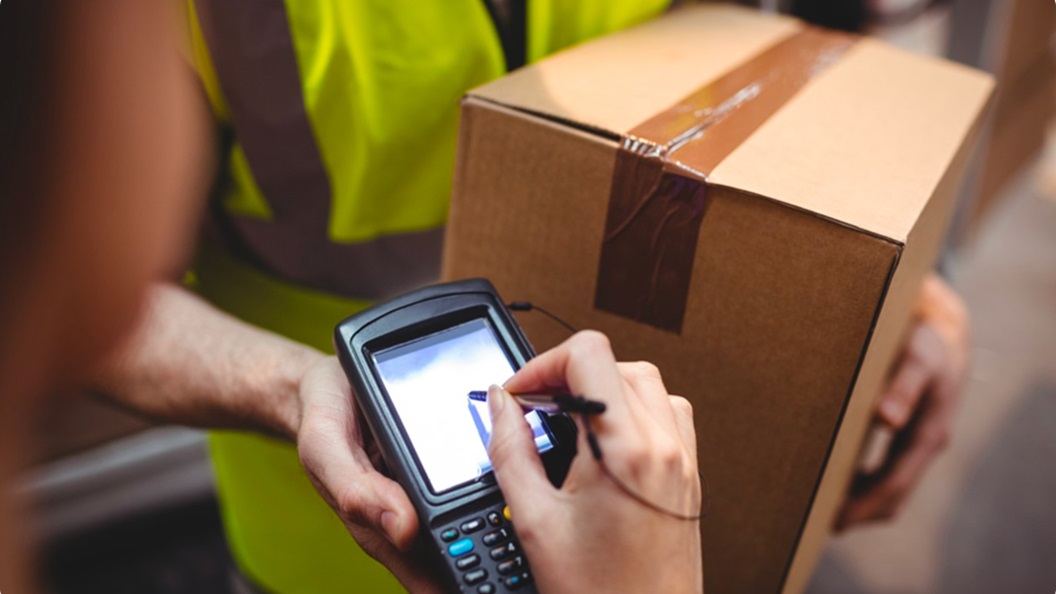
Think about the last time you ordered something you really wanted. You don’t remember the warehouse it came from or the route it took to reach your city. You probably don’t even remember which carrier dropped it off. But you do remember exactly how it felt when it arrived—the relief of seeing it on the porch before the rain started. Or the frustration of finding a “Sorry we missed you” note when you were home the whole time.
That’s the crux of e-commerce delivery. We talk about logistics as a series of nodes, modes, and zones. But your customer experiences it as an emotion. It’s the bridge between “I bought this” and “I have this”. And for many brands, that emotional bridge is still being built by cost logic, not customer logic.
This article explores why parcel delivery has become the most important, yet least controlled, chapter of the customer experience for your brand.
The store has moved.
In the classic era of retail, the ‘moment of truth’ happened in-store. A sales associate greeted you, answered questions, handed you a bag, and thanked you for your purchase. The customer walked out with a product, and a feeling of being taken care of. That was the memory.
The interaction has changed now. It migrated from a physical store to a physical handoff.
- The ‘associate’ is now a driver in a high-vis vest running up a driveway.
- The ‘counter’ is a front door, a reception desk, or a mailroom.
- The ‘handover’ happens unsupervised, often miles from your headquarters.
- The ‘bag’ has been replaced by a box.
And when that box is late, crushed, wet, or simply unexplained, customers don’t blame the carrier. They blame the brand.
We have moved the most critical moment of the customer journey—the fulfillment of the promise—out of the store and into the chaos of the last mile. In North America, the average household now receives 167 parcels a year—that’s nearly one package delivery every two days. That means your brand shows up more often through delivery than through marketing.
E-commerce parcel delivery, then, is no longer just the end of the logistical journey. It is the beginning of a customer’s relationship with your brand.
Parcel is the only physical touchpoint.
In a digital-first world, parcel delivery is the only recurring, unscripted physical interaction between your brand and your customer. This makes parcel delivery three things:
- Frequent: It happens thousands of times a day.
- Visible: It’s the only part of your supply chain your customer actually sees.
- Emotional: It carries the weight of a promise kept or broken.
That makes it uniquely powerful and uniquely risky.
Unlike most digital touchpoints, delivery cannot be meaningfully A/B tested or course-corrected. Once a package is in motion, the system either holds or folds. Parcel delivery has taken on a role most brands haven’t fully acknowledged and designed yet.
Customers don’t distinguish between ‘carrier’ and ‘retailer’. They don’t care how many partners sit behind the scenes. They experience one brand, one journey, one story unfolding in real time. Yours. So every scan, update, delay, silence, and interaction is a branded moment.
Your customer remembers these four moments.
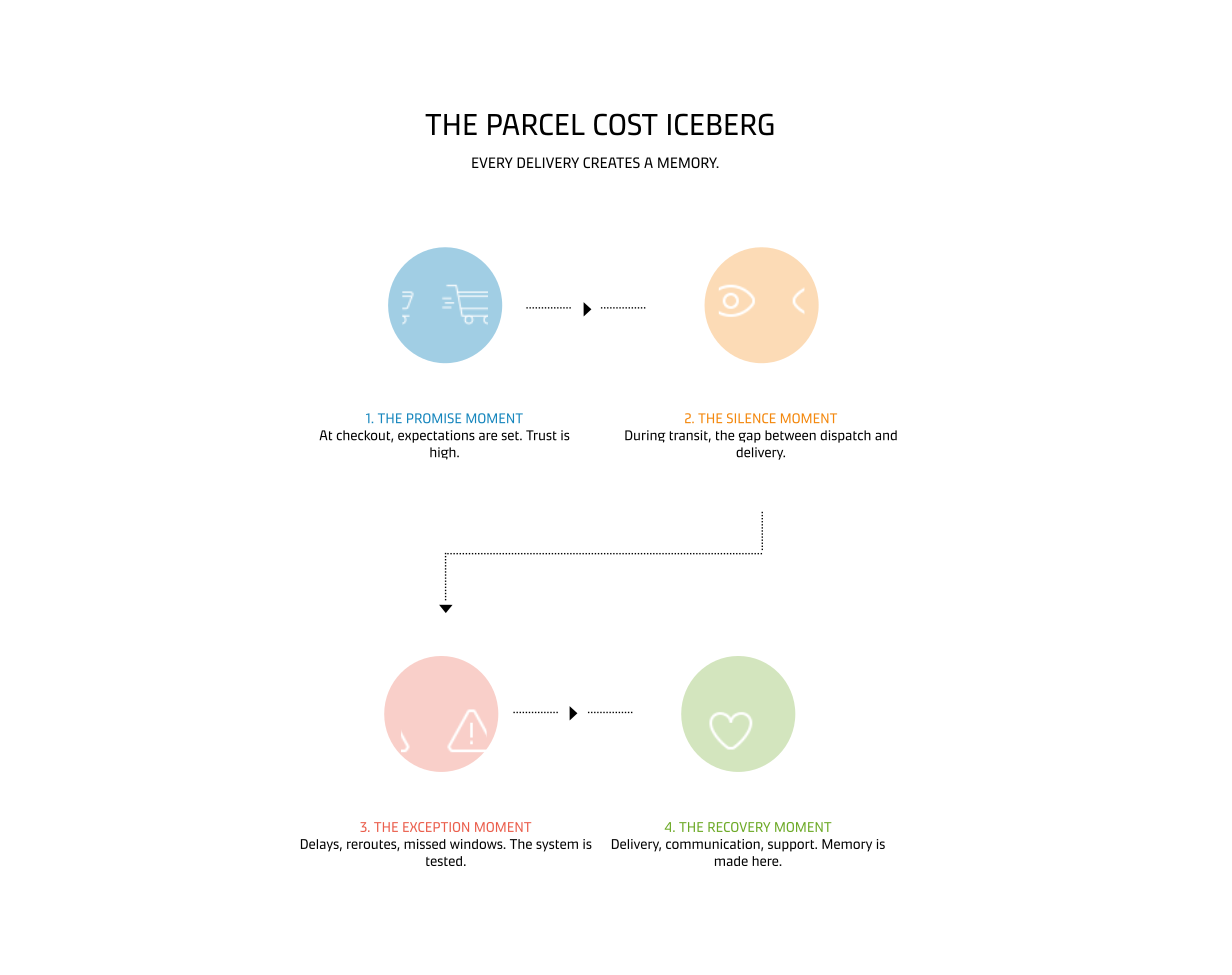
1. The promise moment
This is the commitment made at checkout—confirmation, delivery dates, expectations, confidence. It sets the clock and the emotional baseline. Your customer feels the excitement. Trust is high. This moment creates the contract.
2. The silence moment
This is the phase during transit—specifically the gap between dispatch and delivery. Not because the process is slow, but because nothing is being updated. In a standard (often fragmented) network, this gap is treated like a black box. In a good system, it becomes reassurance. In a nutshell, silence breeds anxiety; visibility breeds trust.
We don’t just track parcel movement, we look for anomalies and stagnation. If a package hasn’t been scanned, we know it is potentially lost. We look at the reporting and invoicing data to find the signal that something might be wrong, so we can fix it before they become a support ticket.
3. The exception moment
Delays, reroutes, missed windows. This is where the parcel delivery system is tested. It isn’t that exceptions occur. What matters is whether the system sees them early enough, or whether customers discover them first. Late awareness turns operational hiccups into CX failures. In a well-designed network, shippers are told proactively, with a new solution already in place.
4. The recovery moment
This is where memory forms: delivery, photo proof, communication, feeling. And if things go wrong, how it’s conveyed and supported. Was the experience owned end-to-end, or did responsibility fragment when things went wrong? If this moment is frictionless, the cycle closes and loyalty is secured—refocusing on experience as the driver of customer lifetime value (CLV).
The consumer experience in parcel delivery is critical… It is the most expensive part of the supply chain. If the customer isn’t getting the right product or gets an empty box, that conversation is painful because it directly affects your sales and contradicts the experience you spent millions trying to create.
Customers may forget how fast a parcel arrived. They rarely forget how a problem was handled. In most parcel setups, these moments break because they rely on heroism—people staying late to fill gaps rather than a system designed to hold the weight.
Here’s what strong brands do differently with parcels.
Parcel delivery may sit in operations, but its consequences land squarely on brand, revenue, and retention. The customer experience (CX) teams end up acting as human shock absorbers; apologizing for operational failures they didn’t cause, can’t control, and probably cannot fix. They spend their days fighting WISMO (Where Is My Order) tickets instead of building loyalty.
The most resilient brands have realized you cannot divorce logistics from the brand story.
- They design for exceptions. They know things will go wrong, so they build systems that catch issues early (upstream) rather than apologizing late (downstream).
- They treat visibility as intervention. They don’t just track packages. They interpret data and take early action before the customer experiences them.
- They absorb volatility into systems, not people. They design a system that absorbs complexity instead of pushing it downstream.

The best e-commerce parcel delivery systems don’t draw attention to themselves. They simply ensure delivery feels predictable, communicative, and controlled—even when conditions aren’t.
Design for memory over mechanics in parcel strategy.
Your customers will never see your parcel strategy. They’ll never know what system you use. They likely won’t see the dashboard, how many systems were integrated, or how many decisions were made behind the scenes. But they will feel your parcel system. They will remember whether their delivery felt calm or chaotic.
- Did the item arrive as promised?
- Did I feel reassured along the way?
- Did I trust the brand more (or less) after the delivery?
- And most importantly, will I come back for more?
That memory becomes the brand. Make sure it’s a memory worth keeping.
At Maersk, we believe that a parcel network should be an extension of your brand promise. That means it needs to be resilient enough to absorb volatility, diverse enough to route around disruptions, and transparent enough to keep your customer calm. This isn’t about heroic efforts to deliver a single box. It’s about orchestrating a network of 70+ carriers under a single layer of technology and service—so that the complexity of the supply chain is invisible to the person waiting on the porch.
We provide the discipline. You get the credit. Explore our e-commerce parcel delivery services.


