 LinkedIn
 WeChat
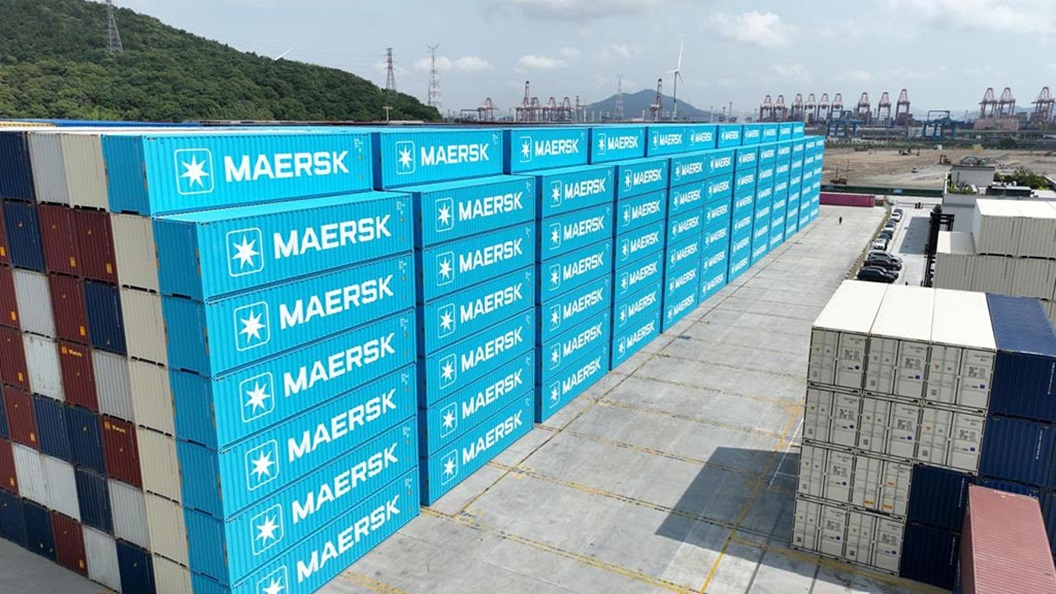
Supply chains are designed around movement. And depots are their transition or resting point.
Depots have mostly been viewed as operational overflow spaces—a passive place where containers wait until the next move. Useful, certainly. Strategic? Not always. Because logistics is no longer challenged by movement alone. It is challenged by timing. Here’s how depots play a strategic role in this transition.
Modern supply chains need more operational flexibility
As modern supply chains become more complex and time-sensitive, cargo no longer moves through neat, linear sequences. A container may arrive before warehouse capacity is available. A retailer may need to prioritize certain SKUs while holding others. A manufacturer may receive inbound volumes exceeding immediate production requirements. Vessel schedules can shift unexpectedly due to weather, port congestion, or global disruptions.
Businesses are under constant pressure to move faster while simultaneously managing flow, timing, space, visibility, and priority.
In each scenario, the core challenge isn’t movement. It is coordination, synchronization, and above all… the ability to absorb localized disruption without letting the consequences cascade through the rest of the network. This need is transforming container depots from passive storage points into active supply chain resilience layers.
This creates pressure across every part of the inland network—not only for cargo owners, but also for the trucking providers responsible for keeping containers moving between terminals, depots, warehouses, and distribution centres. In this environment, depots are no longer just storage locations. They are strategic nodes that enable supply chain fluidity and flexibility.
Container depots support landside network and trucking providers
One often overlooked aspect is the role depots play in improving landside efficiency and supporting trucking providers.
When downstream facilities are not ready for cargo, the task of finding temporary staging or storage often shifts to trucking providers. Container depots solve this by providing safe, secure, and flexible handoff locations where equipment can be staged, exchanged, stored, or repositioned. This capability becomes particularly valuable when managing complex landside constraints such as:
- Appointment constraints and warehouse delays
- Port congestion and chassis shortages
- Driver hours-of-service (HOS) limitations
By offering proactive storage, pre-pull support, equipment management, and operational flexibility, depots help trucking companies improve asset utilization, reduce waiting times, and maintain service reliability. Maersk offers depot services to both shippers and truckers alike for this very reason, as we know both segments benefits from this offering.
Depots play a critical role in connecting shipping lines, trucking companies, warehouses, and cargo owners—creating the flexibility needed to keep supply chains moving efficiently while reducing costs and improving overall network performance.
The container depot need in North America is different
Not every market uses shipping container depots for the same reason.
In highly constrained logistics environments, the mandate for container depot services is often reactive—serving as release valves for infrastructure pressures. When infrastructure is stretched, depots solve these immediate challenges:
- Terminal pressure relief: Shippers rely on off-dock space to move containers away from congested terminals, navigate restrictive gate windows, and maintain cargo flow despite systemic bottlenecks.
- Driver staging capacity: When downstream facilities are not prepared to receive cargo, the challenge of finding temporary storage shifts to trucking providers and drivers. Depots address this gap by providing secure and strategically located staging capacity.
- Disruption management: By functioning as controlled handoff point in supply chains, depots transform what would otherwise be a supply chain disruption into a manageable operational step that preserves network fluidity and operational resilience.
In contrast, the North American market is supported by mature terminal capabilities and deep, integrated rail networks. Container depots in North America are more proactive—driven less by structural infrastructure gaps and more by volume overflow, timing, cost exposure, and operational control.
“In mature markets like the US, depot demand is driven more by supply chain optimization and overflow requirements than by insufficient infrastructure.”
5 strategic leverage points for North American shippers
For North American shippers, the conversation moves beyond a simple question: “Where can I store my containers?” An off-dock depot facility can deliver a series of strategic leverage points:
- Priority management: How do I sequence exactly which containers to pull first based on real-time inbound warehouse demand?
- Cost minimization: How do I avoid keeping assets at the terminal longer than necessary and avoid unnecessary cost exposure?
- Pre-leg preparation: How do I optimize and upgrade cargo or equipment before the next transit leg?
- Cargo security and risk mitigation: How can I better protect my cargo and equipment while maintaining the operational flexibility needed to manage disruptions, optimize inventory flow, and improve overall supply chain resilience?
- Capacity insulation: How do I manage massive cargo volume when my inland warehouses cannot process everything at once?
This shift is already visible in the North American market. Maersk’s May 2026 North America Market Update notes that the regional depot market is playing a growing role in network resilience, with the US container depot footprint being used proactively to manage dwell times and offset terminal storage charges.
These operational realities (and necessities) elevate the depot from a basic storage option to a high-leverage planning tool.
Container depots are becoming a resilience layer in supply chains
Supply chain resilience depends on creating flexibility before the unexpected happens. That flexibility also has to be commercially sustainable. BCG has framed this as one of the central supply chain challenges today: balancing cost and resilience, so networks can flex in response to disruption without eroding margin or market share.
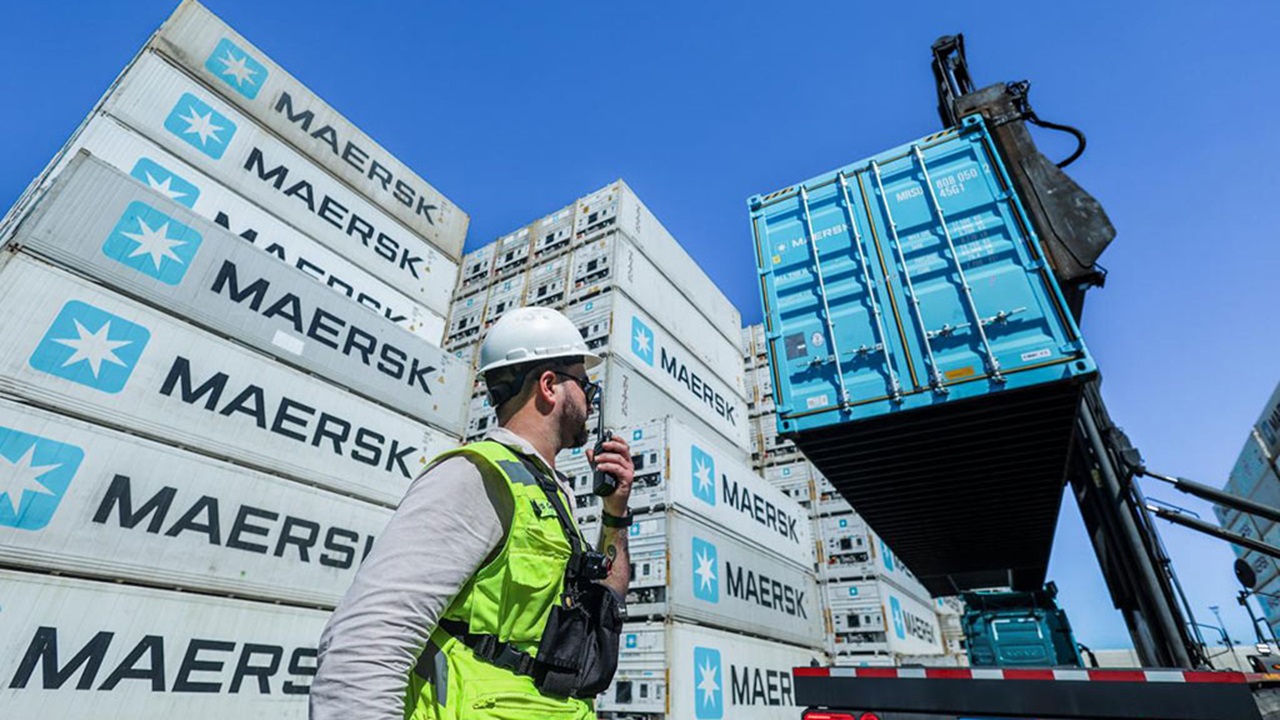
For retailers and automotive manufacturers handling high-volume imports, terminal storage fees can quickly add pressure to operating costs. When warehouse capacity hits its limits, leaving containers at the terminal is a costly default. An integrated inland container depot network flips this dynamic from an operational penalty into a planned pivot through three levers:
- Direct cost mitigation: Keeping containers at port terminals longer than necessary can increase demurrage and detention (D&D) exposure. Moving eligible containers into a safe and secure container depot facility can give shippers a more controlled way ,to manage storage-related charges. For short-term holds, the additional movement may not always justify the costs. But when containers need to be held longer, depot storage can become a more flexible and cost-effective option.
Did you know? Shippers can potentially avoid up to $300 USD per container in combined penalties by routing long-hold volume to an off-dock depot. Please note that the actual savings are highly variable and depend on individual customer contract negotiations, specific terminal gate rules, and carrier agreements.
- Controlled sequencing for cargo: When large vessel loads arrive simultaneously, forcing the volume directly into a distribution center can cause overload. Routing cargo through a depot creates a controlled triage environment. Shippers can stage their inventory, pulling high-priority containers precisely when assembly lines or retail shelves demand them, while the remaining volume sits securely in low-cost storage.
- Structural network buffer: Instead of viewing supply chain legs as rigid, uninterrupted links, an off-dock depot acts as an intentional circuit breaker. It safely absorbs the shock of early arrivals, delayed ocean vessels, or inland transport bottlenecks—preventing a localized delay from cascading into wider downstream disruptions.
“Our depots can serve as a buffer and operational safety net, helping customers mitigate delays and manage supply chain volatility. For example, if a customer needs additional time to hold containers due to vessel delays or downstream disruptions, we have the capacity and flexibility to support that.”
A rigid supply chain cracks. A resilient one pivots. The depot serves as that pivot point.
How container depots add operational flexibility across industries
The value of a mature depot network also lies in its ability to execute complex, product-specific solutions. Rather than acting as a static yard, an integrated container depot operates as a natural supply chain integrator through highly specialized, industry-specific workflows:
- High-volume retail and just-in-time manufacturing: For space-constrained sectors moving large container volumes (such as automotive or big-box retail), depots offer some breathing room during peak seasons, demand surges, and inventory fluctuations. Shippers can use depot facilities to stage components, destuff containers, and match inbound flows to real-time warehouse or production capacity.
- Cold chain integrity: Refrigerated container management requires strict operational discipline well before stuffing. Advanced container depots handle the presetting of humidity and temperature parameters based on reefer cargo requirements. Once staged, the depot provides hour-by-hour temperature monitoring where required.
- High-stakes regulatory and industrial preparation: Container depot operations frequently scale up to meet stringent, multi-stage government compliance programs. Under key initiatives like global food aid logistics, depots execute rigorous container inspections, dispatch premium quality containers to agricultural facilities to be stuffed with grains, bring the loaded containers back to the depot for precise, regulatory fumigation, and safely stage the assets prior to export.
- Integrated equipment and carrier servicing: Operating deep inland facilities can support efficient turn times and equipment readiness. When a depot is operationally optimized, truck drivers can complete gate operations in a short time, drastically reducing drayage friction. Furthermore, having on-site maintenance and repair capabilities (covering dry containers, reefer containers, and pre-trip inspections) helps ensure BCOs have structurally sound, clean, and verified equipment.
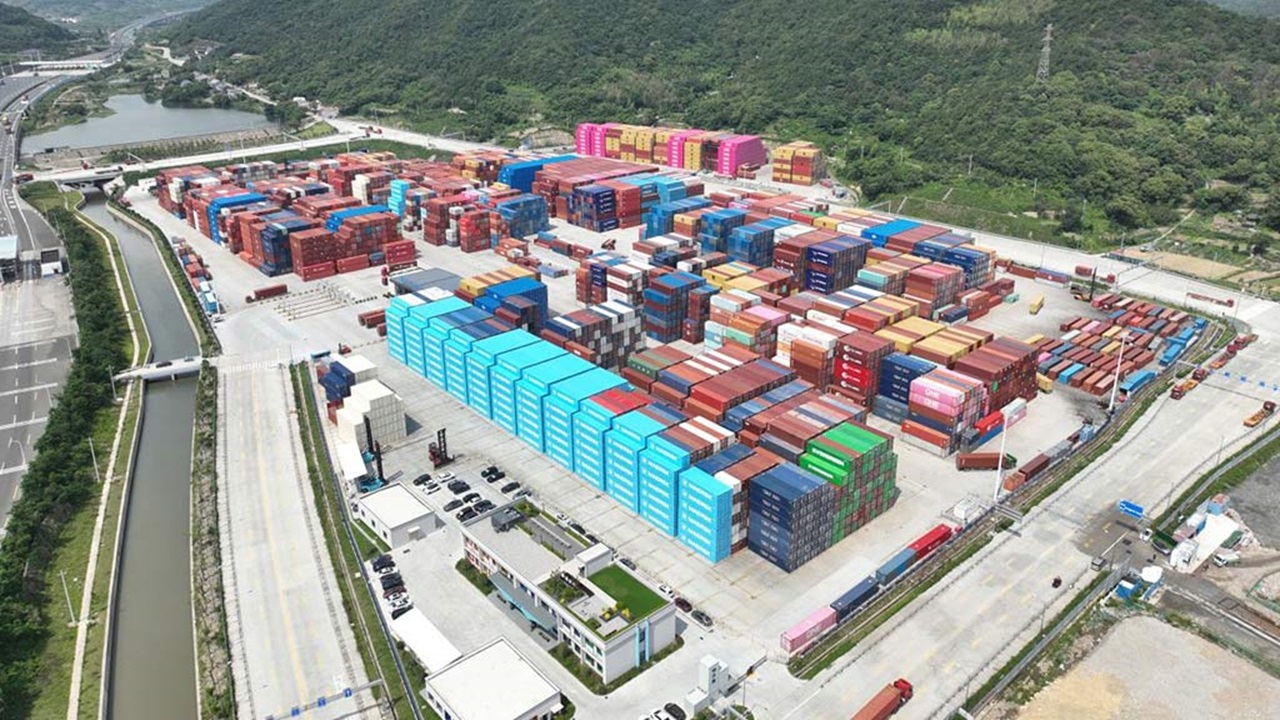
“In a fully integrated logistics model such as ours, container depots serve as coordination nodes within the end-to-end supply chain. Beyond maximizing cost savings and providing a highly secure environment for valuable cargo, they provide customers with greater convenience by enabling seamless integration across transportation, depot services, customs processes, inland logistics, and warehousing.”
Build a buffer against supply chain volatility with depot
Volatility is not easing into the background. While shippers cannot prevent every schedule shift, cost spike, capacity constraint, or operational delay, they can build more internal flexibility into the network. Depot solutions can become that built-in flex point for a resilient supply chain.
The conversation around container depots is no longer a low-interest question of: “Do we need container storage?” — The better question is: “Where do we need control in our supply chain?” That control manifests across multiple layers:
- Financial, avoiding unnecessary terminal costs through off-dock storage
- Operational,sequencing containers into a warehouse/production line based on capacity
- Protective, preparing containers for specific cargo requirements
- Administrative, simplifying coordination across multiple providers
- Strategic, creating a buffer against volatility before disruption reaches your network
The future role of container depots is not simply to hold containers. It is to help hold the supply chain steady. Ready to explore further?
For shippers looking to build more flexibility into their inland network, Maersk depot solutions helps create the operational buffer needed to keep cargo moving with greater control. Contact us here.