 LinkedIn
 WeChat
Global trade is being reshaped
For decades, supply chains were built around efficiency. Production was concentrated, trade routes were predictable, and networks were optimized to move goods at the lowest possible cost. Today, that model is changing.
As businesses navigate an increasingly complex world, resilience, flexibility, and diversification have become strategic priorities. Customers are redesigning their supply chains to respond faster to disruption, shifting demand, and geopolitical uncertainty. In doing so, they are creating new trade flows and strengthening connections between regions that are emerging as critical engines of growth.
Few relationships illustrate this transformation more clearly than the one between Asia and Latin America.
A New Geography of Trade
Asia remains the world's manufacturing powerhouse, driving a significant share of global production and exports. At the same time, Latin America's role in global supply chains continues to expand.
Mexico is strengthening its position as a key manufacturing and distribution hub. Markets along the West Coast of South America are growing in strategic importance, connecting producers and consumers to global markets. Across the region, rising consumption and economic development are creating new opportunities for trade and investment.
These trends are reshaping how goods move around the world. What we are witnessing is not simply growth in trade volumes, but a broader reconfiguration of global supply chains.
Connectivity as a Competitive Advantage
Global supply networks are becoming increasingly interconnected, regionalized, and dynamic. Production often spans multiple countries, distribution networks operate across diverse markets, and businesses require greater agility to respond to rapidly changing conditions.
In this environment, connectivity becomes more than a logistics advantage—it becomes a strategic enabler of growth.
For customers, success depends on the ability to seamlessly connect manufacturing, sourcing, distribution, and end markets. The quality and reliability of those connections increasingly determine how effectively businesses can capture growth opportunities and manage risk.
Strengthening the Asia–Latin America Corridor
The Asia–Latin America trade lane reflects many of these broader shifts.
Across industries, customers are diversifying their sourcing strategies, expanding their manufacturing footprints, and seeking stronger links between Asian production centers and Latin American markets. At the same time, they are looking to simplify increasingly complex supply chains while improving speed, reliability, and visibility.
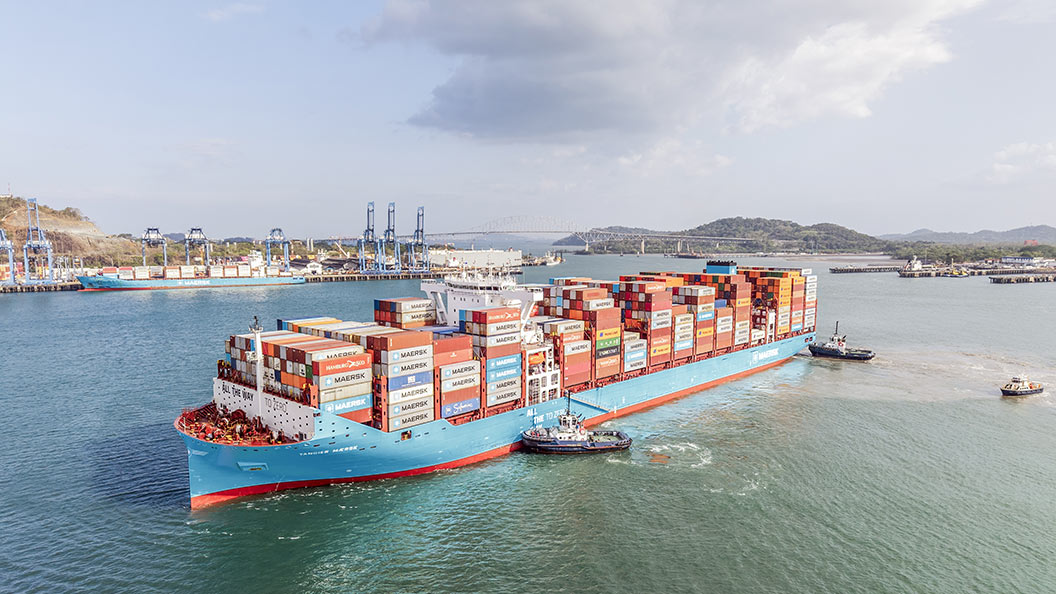
Recognizing these developments, we recently introduced the AC1 service, a weekly ocean connection linking key Asian ports with the West Coast of Latin America.
While AC1 represents a new service offering, its significance extends beyond the vessels themselves. It reflects a broader commitment to aligning our network with the evolving needs of our customers. Designed to strengthen direct connections between Asia and the West Coast of Latin America, AC1 helps:
- Enhance reliability and predictability across critical trade routes.
- Support customers adapting to nearshoring and evolving sourcing strategies.
- Reduce complexity across increasingly fragmented supply chains.
- Improve access between key manufacturing and consumption markets.
Ultimately, stronger connectivity helps customers translate supply chain resilience into competitive advantage and sustainable growth.
This focus on connectivity extends beyond long-haul ocean services. Across the Americas, we are also strengthening regional networks that help customers move cargo more efficiently once it reaches the continent. For example, the recently announced West Coast Shuttle will connect Mexico, Panama and Ecuador through an enhanced three-vessel network, expanding coverage and creating faster, more reliable links between key manufacturing, transshipment and consumption markets. Together with services such as AC1, these investments help create more resilient and integrated supply chains across the Asia-Latin America corridor.
Looking Ahead
Global trade will continue to evolve. Supply chains will become more diversified, customer expectations will continue to rise, and uncertainty will remain a defining feature of the operating environment.
At the same time, Latin America is poised to play an increasingly significant role in global commerce, supported by growing manufacturing capabilities, strategic geographic positioning, and expanding consumer markets.
By strengthening the connections between Asia and Latin America, we are helping customers build supply chains that are more resilient, agile, and prepared for a rapidly changing world.
Because in today's trade environment, connectivity is no longer just about moving cargo. It is about enabling growth, creating resilience, and unlocking new opportunities. Stronger connections between Asia and Latin America will not only support the flow of goods, they will help shape the next chapter of global trade.