 LinkedIn
 WeChat
We’re not just delivering freight. We are representing our retail partner inside that customer’s home — what they expect, what the end consumer expects. Every prep step, every route decision, every call… it’s part of the promise we’re upholding and delivering on their behalf.
2 : It’s built on people
Because ownership needs someone to carry it.
No matter what your systems are, your customer is greeted by a person at the door. And in delivery, the people make or break the moment. That person is the brand.
That’s why reliability depends on who you hire, how they’re trained, and whether they feel empowered to execute in real time. And that shows up as reliability. It’s the driver who takes five extra seconds to wipe their shoes. The installer who doesn’t rush the customer. The team that treats the living room like a showroom. Because reliability is delivered by humans.
When it comes to training, I start with a teachable point of view to help them understand how optimistic these purchases are. And give them ongoing feedback to help them get better. No one wakes up thinking, ‘I want to do a bad job.’ But if they don’t get feedback, how can they improve?
3 : It’s powered by systems
Because people can’t do it all, and shouldn’t have to.
Reliable delivery requires systems with repeatable processes, built to adapt as needed, and designed to minimize variance in high-pressure, high-expectation environments.
Behind every drama-free delivery moment is a carefully aligned workflow that makes it possible. Not just tracking, but coordinated flows that don’t rely on memory or heroics. SOPs that guide action, escalation paths that catch issues early, and feedback loops tight enough to close before the next shipment hits the road. That’s what makes it repeatable and reliable.
We have checks-and-balances throughout every part of the business — ensuring our people are delivering on expectations. That includes systems for dispatch, traffic, weather, and escalation protocols. We’re using AI to predict volume shifts, adjust line-haul schedules, and add capacity before the pinch points hit. That’s how you reduce friction before it starts.
4 : It’s revealed through visibility
Reliability isn’t just about what happens. It’s about who knows what’s happening, and when.
Visibility isn’t limited to what logistics teams see. It’s what everyone sees — the dispatcher, the crew, the retail partner, and the customer. One version of the truth.
Shared visibility means the driver knows what was promised, the crew sees the job specification before arrival, and the dispatcher can spot a slip before it reaches the customer. The customer knows what’s happening, what to expect, and where to turn if something changes. That’s what creates alignment. And aligned deliveries make space for reliability.
You’re getting some version of the data you need, but in different formats, timing, structures. True integration and shared visibility mean having one version of the truth — where everyone knows what’s happening, at the same time. Here’s my one pane of glass that shows how the shipment is progressing through the supply chain.
5 : t’s rebuilt with resilience
Reliability doesn’t mean nothing ever goes wrong. It means it can be recovered and made right.
Even with the best preparation, issues can still arise: address errors, dented items, mismatched SKUs. But reliability isn’t the absence of problems. It’s the presence of response.
Reliable networks plan for adaptation — with alternate routes, proactive callbacks, and agile decision-makers who can fix the moment before it spirals. These are teams trained to act in the moment, adjust the plan, and protect the customer experience. From weather to reroutes to no-fits and refusals, the best operation teams plan for recovery as part of the process.
You can have the perfect plan. But once it’s out the door, something always changes. The question is… do you have people who know how to adjust, make the call, and fix the problem before the customer even knows it happened?
6 : It’s delivered with care
A reliable experience isn’t just about when it is delivered, but how it is delivered.
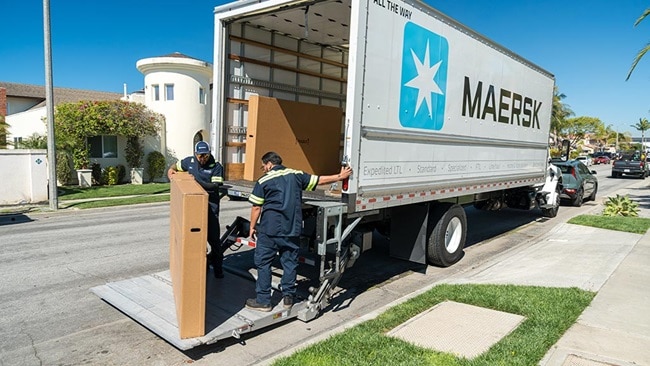
That means proper prep, showing up respectfully, and closing the loop with presence. White glove in heavy-bulky, or any specialized LTL service, starts with a mindset — of care.
It’s in the tone of voice, the body language, the precision of the placement. It’s the crew who doesn’t dump packaging in the customer’s living room, or even the follow-up call that isn’t mandatory, but still happens. And when that care is part of the operational standard, the customer doesn’t feel rushed, surprised, or dismissed. They feel respected.
It all goes back to stepping into somebody’s home. That is the most sensitive part of any business that we do… Think of your mom, your sister, your daughter — and how you’d want them to feel if someone was making a delivery to them. How do you treat them with respect? How do you make that delivery easy? You do it with a smile. You make someone feel cared for and comfortable throughout the process.
7 : It’s remembered in moments
The whole journey comes down to how the delivery moment felt for the customer.
They don’t remember any of the backend events. They remember how the service made them feel — whether it was silent, stressful, or smooth. Especially in the final mile.
They remember the early call that let them plan their day, the polite knock, how the unboxed item was placed carefully. Or, they remember the absence of all of it. That’s why designing for reliability means designing for memory. And most of that comes down to timing, tone, and how well the experience was executed. Reliability isn’t just measured in metrics, but in memory.
Metrics measure performance. But, memory measures impact. I want every customer interaction to be memorable in a good way… Something I’d be proud of delivering. The kind of service where the customer would invite you to Thanksgiving dinner afterwards… That’s the bar.
8 : It’s grounded in responsibility
Because reliability doesn’t end at delivery. It’s tested when things don’t go as planned.
Responsibility isn’t just about showing up. It’s about owning what happens next when the outcome isn’t perfect — a scuffed product, missed window, bad handoff.
It shows up in crews who fix the moment. In teams that call back, reset expectations, and make it right. That’s the difference between a system that holds under pressure and one that fractures when tested. Responsibility is what ties the loop. Because the job isn’t done when it’s delivered. It’s done when it’s resolved. Responsibility is about showing up with intention, every time.
So, what is a reliable delivery in ground freight?
What we’ve seen across every delivery moment, from preparation to presence to post-care, is:
Reliability isn’t something you claim. It’s something you prove. Over time. Every time. Under pressure. Through people. Across geographies. In service.
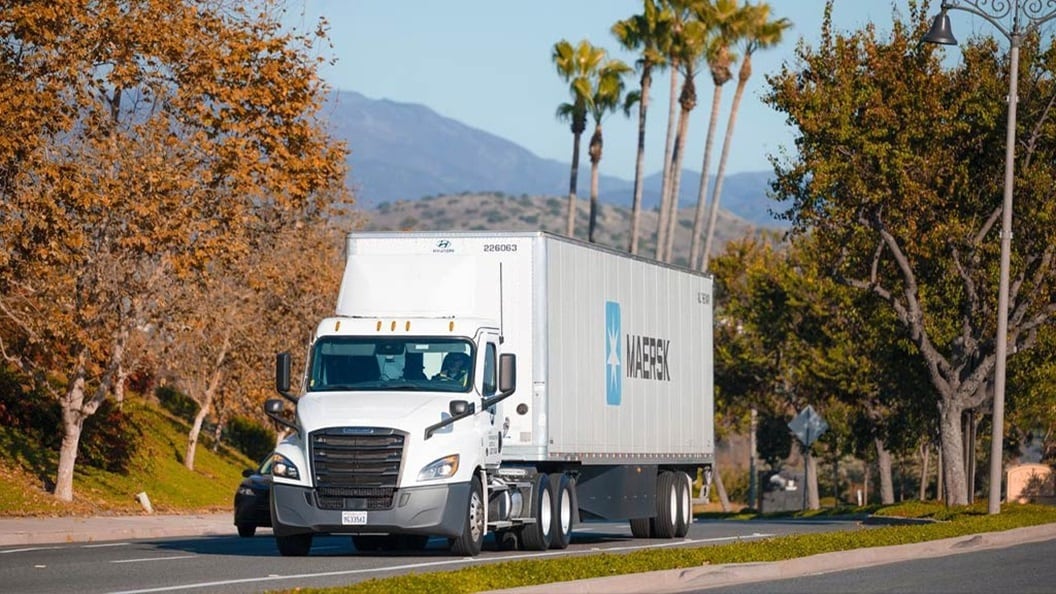
So if you’re evaluating delivery partners or building out your own operations, these aren’t just talking points. They’re standards. This is what reliable delivery actually looks like. And for the partners who choose us, this is what Maersk shows up with, every day, every door, every mile – with a smile.
Interested in specialized LTL services in North America? We deliver the extra care that transforms your one-time buyers into repeat customers. Contact us to get tailored advice that best suits your business.