
 LinkedIn
 WeChat
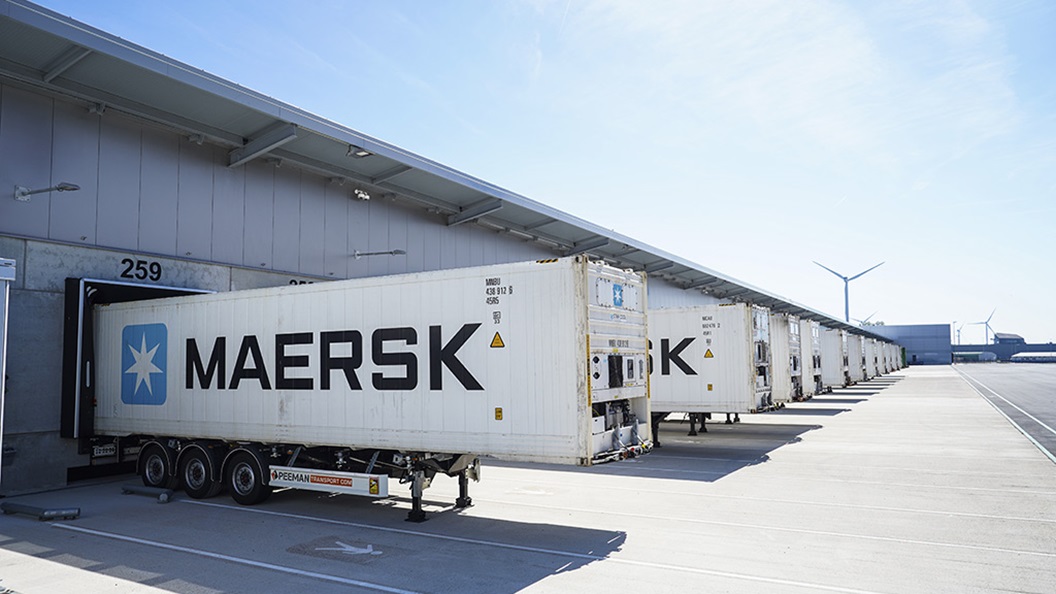
Pharmaceutical supply chains are often global long before the finished medicines reach Europe. In 2023, India and China together accounted for almost two thirds of global active pharmaceutical ingredient (APIs) production volume, underlining how dependent the industry is on long, international supply chains.
For pharmaceutical companies, this complexity means the most valuable cold chain is both cold and controlled. Good Distribution Practice (GDP) provides the quality framework that helps ensure pharmaceutical products are properly handled, stored, and distributed throughout the supply chain.
But from a business perspective, GDP is not just about meeting a standard. It is about protecting product quality, patient safety, traceability, and trust across every stage of the journey. When certification is met with a strategic location next to the terminal, businesses can maintain greater control from port arrival to cold storage, and into onward distribution.
GDP certification is about protecting trust, not just meeting a standard
GDP describes standards that must be met to ensure that the quality and integrity of medicines is maintained throughout the supply chain. Pharma supply chains depend on traceability, validated processes, temperature control, security, and quality management systems. And GDP certification helps reduce uncertainty, especially when pharma companies remain legally and reputationally responsible for their products, even when logistics partners handle them on their behalf.
Pharma customers are very thorough in how they assess their supply chain partners. They want to understand the facility, the Warehouse Management System (WMS), the traceability steps, and the controls in place to reduce the risk of human error. For them, this is not only about logistics performance – it is about protecting the identity, quality, and reputation of their products
This makes trust essential. Companies need to know and believe that the facility, systems, and people handling their cargo understand the sensitivity of pharma operations.
For our Maasvlakte cold store, GDP certification is an important first step in showing customers that we are prepared to support pharma-specific storage, handling, and documentation
Fewer handovers can mean greater control
As cargo moves along the supply chain, it crosses several handover points, from vessel discharge, terminal yards, customs clearance, storage, and onward distribution. Each additional move can increase the risk for temperature excursions and documentation gaps, and unclear responsibility.
By the time temperature-sensitive pharma cargo reaches Europe, customers need the next step to be predictable and compliant.
We see more pharma customers looking for end-to-end solutions because fragmentation creates complexity. When storage, handling and onward movement are better connected, it becomes easier to maintain control, protect product quality and respond quickly if something changes
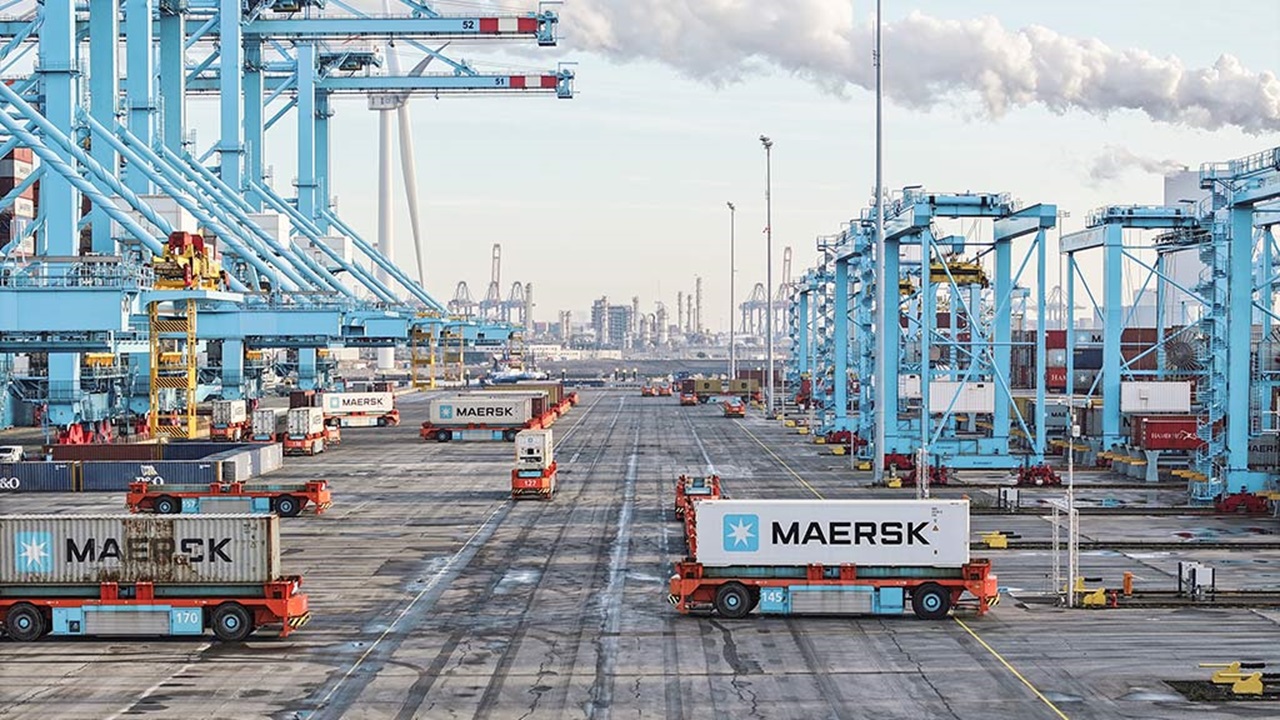
A cold store close to the terminal helps reduce this complexity. Because the Maasvlakte cold store and its location next to the APM Terminals Maasvlakte II, customers can maintain greater continuity of control through fewer transfers and less fragmentation.
Besides simplifying the physical journey, connecting cold storage with ocean and inland transport through one partner can also simplify the administrative burden – for example, through one quality agreement and one service level agreement (SLA) across the journey.
Pharma capability is built through experience and site-specific processes
Pharma customers know how to operate across global supply chains – they don’t simply need more infrastructure, but the right one, supported by experienced teams who know how to handle high-value, sensitive, and regulated products. And Rotterdam as an entry point into Europe, represents a critical moment for customers. It is a place where speed, compliance, temperature control, and traceability need to come together.
Although the Maasvlakte facility is new, we did not build this capability in isolation. Our colleagues in Poland have been working with pharma logistics for over 25 years, so we used their experience as a strong foundation. From there, we adapted the processes to our site, making sure the systems, people, and daily routines support GDP and customer requirements in practice
A GDP-certified cold store at Maasvlakte can therefore act as a stabilising control point – a place where temperature-sensitive products can be received, stored, checked, documented, and prepared for onward distribution under a pharma-specific quality framework.
For customers, confidence comes not only from the facility itself, but from the people, processes, and expertise behind it.
GDP compliance is not achieved by documentation alone. It has to be reflected in how the site works every day, in the systems we use, the checks we perform, the way teams are trained, and the way every movement is documented
For pharma customers, that daily discipline is what turns GDP-certified cold storage into something more valuable - a controlled, reliable gateway into Europe. Find out how a reliable gateway to Europe helps ensure temperature integrity across the entire cold chain.


