LinkedIn
 WeChat
Recent regulatory changes in the European Union have meant that ecommerce has changed for both consumer and businesses alike. From 1 July 2026, de minimis exemption for imports coming out of the EU has ended, meaning that goods valued below €150, which were previously exempt from customs duties, now face a temporary €3 customs duty per item.
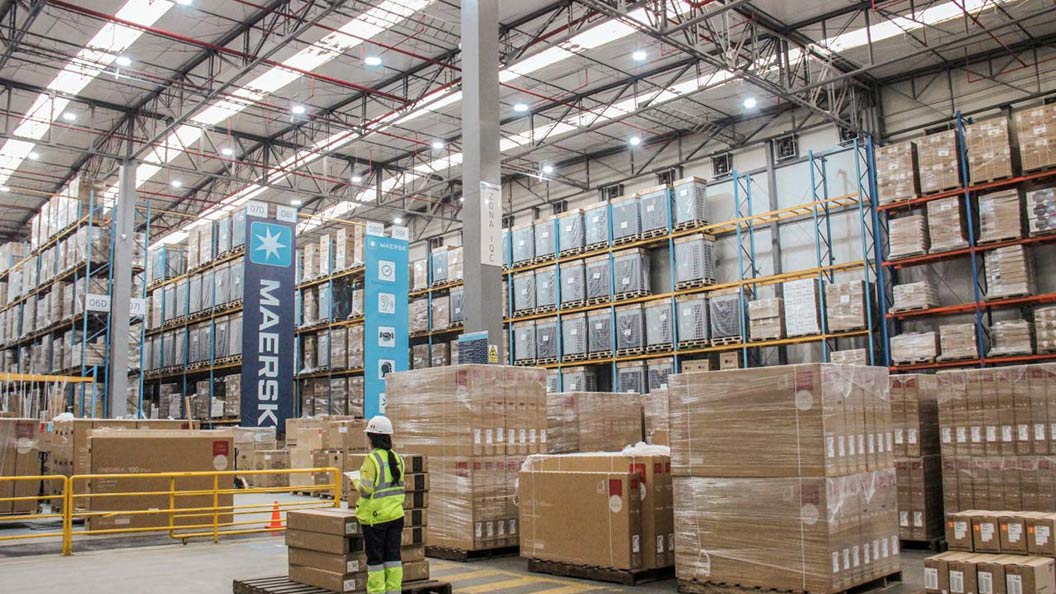
The new regulation essentially means that the cost of importing goods from outside of the EU has gone up significantly. Businesses are still working out the alternatives to reduce this cost – continuing to ship products directly to consumers or rethinking their supply chain models and shipping to fulfilment centers first and then distributing towards the end consumers.
The key for businesses is understanding what their consumers are expecting from them – is it a certain transit time, or cost competitiveness – and then deciding which approach they want to adopt.
Watch the full video and find out how to adapt fulfilment and last-mile strategy in light of the EU regulatory changes. In a market shaped by volatility and regulatory changes, the key is staying flexible and adapting to challenges as they come. Find out how to build the adaptive contract logistics strategy that works for you.